



+
NGT forms waste management monitoring teams
WATER & WASTE

NGT forms waste management monitoring teams

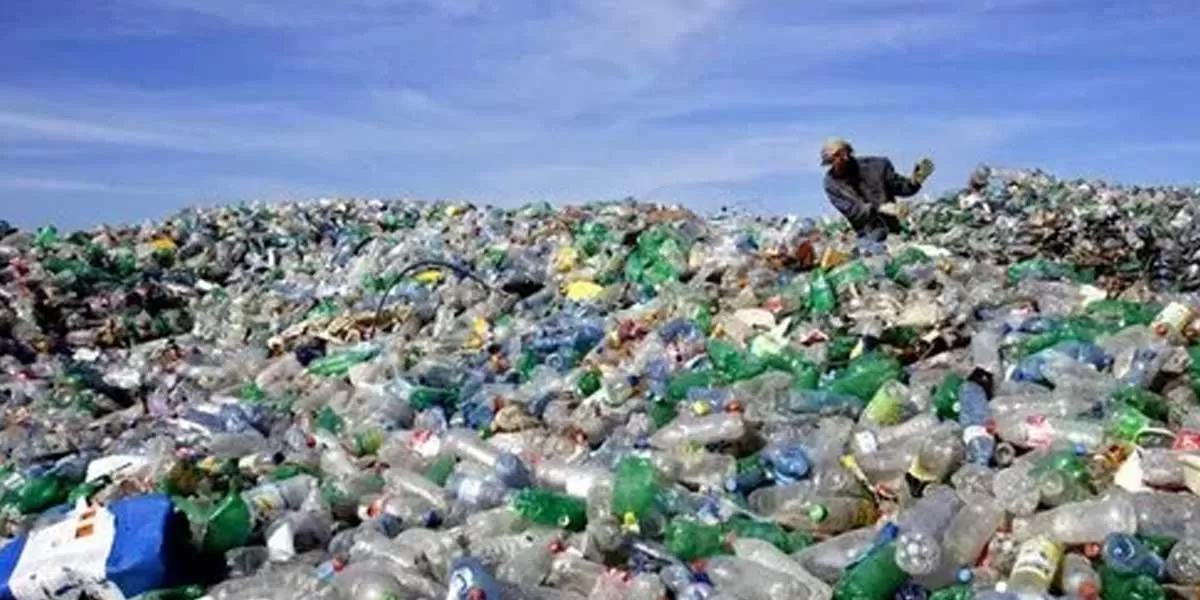
The National Green Tribunal (NGT) has set up monitoring teams across India to oversee effective waste management in cities, including Ludhiana, to ensure better adherence to waste disposal and recycling practices. The initiative is part of NGT's ongoing efforts to address environmental issues caused by improper waste handling and to enforce regulations under the Solid Waste Management Rules, 2016.

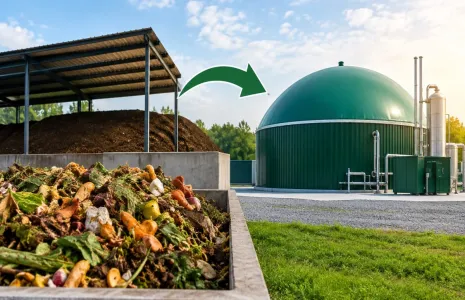
These newly formed teams will focus on ensuring the strict implementation of waste management protocols and monitoring municipal authorities' compliance with NGT’s orders. The teams will also collaborate with local government bodies to promote sustainable waste management practices, such as segregation at source, composting, and recycling, in order to reduce landfill usage and pollution.

In Ludhiana, a city known for its industrial activity, managing waste efficiently is a critical issue. The city generates a significant amount of waste daily, and its disposal has often been poorly managed, leading to environmental degradation and health hazards. The NGT teams will closely assess Ludhiana’s waste collection systems, treatment plants, and landfill sites to identify gaps and recommend improvements.

The monitoring teams are also expected to conduct periodic reviews, field inspections, and audits to track the progress of waste management projects in each city. Their reports will provide crucial insights into areas that need urgent attention and reforms. The objective is to push municipal authorities and stakeholders to adopt modern technologies and methods for waste treatment, ensuring minimal environmental impact.

The National Green Tribunal has consistently emphasized the need for effective waste management, stating that the lack of proper systems not only threatens the environment but also public health. By establishing these monitoring teams, the NGT aims to streamline waste disposal processes and ensure that cities like Ludhiana become more accountable and environmentally conscious.

The National Green Tribunal (NGT) has set up monitoring teams across India to oversee effective waste management in cities, including Ludhiana, to ensure better adherence to waste disposal and recycling practices. The initiative is part of NGT's ongoing efforts to address environmental issues caused by improper waste handling and to enforce regulations under the Solid Waste Management Rules, 2016. These newly formed teams will focus on ensuring the strict implementation of waste management protocols and monitoring municipal authorities' compliance with NGT’s orders. The teams will also collaborate with local government bodies to promote sustainable waste management practices, such as segregation at source, composting, and recycling, in order to reduce landfill usage and pollution. In Ludhiana, a city known for its industrial activity, managing waste efficiently is a critical issue. The city generates a significant amount of waste daily, and its disposal has often been poorly managed, leading to environmental degradation and health hazards. The NGT teams will closely assess Ludhiana’s waste collection systems, treatment plants, and landfill sites to identify gaps and recommend improvements. The monitoring teams are also expected to conduct periodic reviews, field inspections, and audits to track the progress of waste management projects in each city. Their reports will provide crucial insights into areas that need urgent attention and reforms. The objective is to push municipal authorities and stakeholders to adopt modern technologies and methods for waste treatment, ensuring minimal environmental impact. The National Green Tribunal has consistently emphasized the need for effective waste management, stating that the lack of proper systems not only threatens the environment but also public health. By establishing these monitoring teams, the NGT aims to streamline waste disposal processes and ensure that cities like Ludhiana become more accountable and environmentally conscious.

Related Stories

Gold Stories
Next Story
Infrastructure Urban

Infrastructure Opportunity Outlook by IMPACCT.Info

India’s infrastructure pipeline is witnessing dynamic activity across stages — from immediate bidding to future planning. IMPACCT segments these into three categories: Immediate, 3–6 Month, and Future Opportunities, enabling businesses to identify, prepare, and participate in high-value tenders and projects across sectors.To read full article Click Here ..

Next Story
Real Estate

Glass, Reframed!

Glass façades, quintessential aesthetic building envelopes globally, have been widely adopted in India as well. But when the focus is high-performance building systems that deliver energy efficiency, comfort and architectural identity, glass isn’t the only preference. Combination solutions, involving glass and some other material, improve façade outcomes. Some combinations come at comparable prices, some at a higher price. Here is a selection of performance-oriented solutions...To read the full story Click Here ..

Next Story
Infrastructure Urban

Beyond Building Faster

India’s cities are expanding at an unprecedented pace, bringing new infrastructure and development opportunities while also intensifying challenges around mobility, public spaces, liveability and supporting infrastructure. The question, therefore, is not simply whether India can build faster, but whether it can build cities that work better.At a CW webinar, Are We Designing Better Cities – or Just Building Faster?, moderator Ar. Samir Shaikh, Founding Principal, AR&UD Studio, brought together perspectives from design, development, master planning and technology...To read the full artic..

Advertisement

Subscribe to Our Newsletter

Get daily newsletters around different themes from Construction world.

STAY CONNECTED

Advertisement

SPECIAL OFFER
QR Code