+
Remediation plant to process waste developed in Greater Noida
WATER & WASTE

Remediation plant to process waste developed in Greater Noida

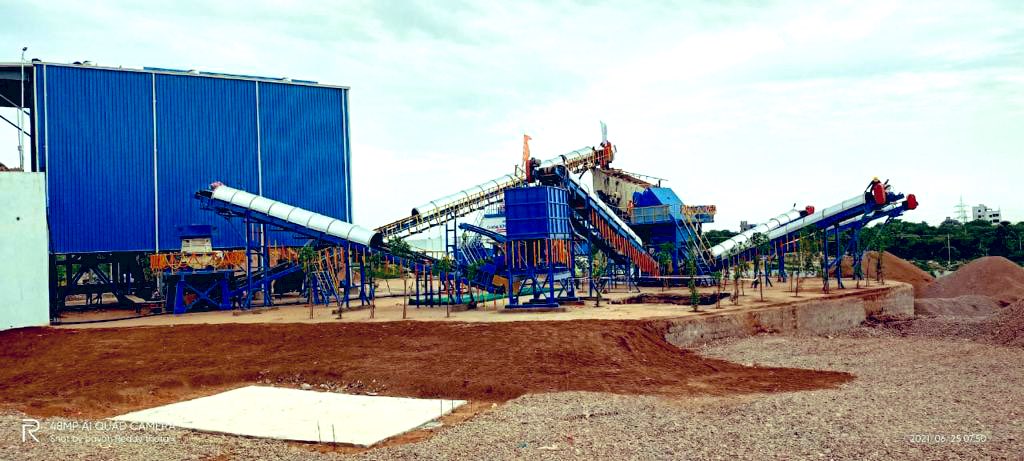
Greater Noida got its first remediation plant, which has been established to process around three lakh tonnes of waste dumped in the city.

Greater Noida produces about 250 tonnes of garbage every day.

Brazilian company Lara, which was selected through a tender in the Lakhnawali area, has established the remediation plant. Greater Noida industrial development authority (GNIDA), Additional CEO, Deep Chandra, inaugurated the plant.

About 250 tonnes of garbage is produced every day in Greater Noida and dumped in the Lakhnawali area. So far, garbage over three lakh tonnes has been dumped in the Lakhnawali area, GNIDA said.

On the instructions of Narendra Bhooshan, CEO, GNIDA, it was decided to establish a remediation plant to dispose of this waste.

Brazilian company Lara, was selected through tender to establish the remediation plant. For the disposal of waste, this company entered into a contract with the Indian firm Avian AMRO Group. Collectively, both the companies created the plant in Lakhnawali, which began from Tuesday, it said.

The biggest hurdle of urbanisation is proper waste management, and Greater Noida has taken a big move in this direction, Chandra said.

The kitchen waste Segregation will be done, and compost will be utilised for gardening. It will reduce waste by about 50%. The plastic waste will be segregated and carried to the recycling plant, out of the remaining 50% garbage, the officer said.

The plan is to clean the dumped garbage in Lakhnawali in two years, he said.

The GNIDA said that CCTV cameras would also be fixed at the plant so that the authority would be able to know how much garbage has been disposed of. The Greater Noida residents will also be able to keep an eye on the waste disposal process in the plant through the authority's website.

Image Source


Also read: Chandigarh Corp to invest Rs 1 cr to make C&D waste plant mechanical

Greater Noida got its first remediation plant, which has been established to process around three lakh tonnes of waste dumped in the city. Greater Noida produces about 250 tonnes of garbage every day. Brazilian company Lara, which was selected through a tender in the Lakhnawali area, has established the remediation plant. Greater Noida industrial development authority (GNIDA), Additional CEO, Deep Chandra, inaugurated the plant. About 250 tonnes of garbage is produced every day in Greater Noida and dumped in the Lakhnawali area. So far, garbage over three lakh tonnes has been dumped in the Lakhnawali area, GNIDA said. On the instructions of Narendra Bhooshan, CEO, GNIDA, it was decided to establish a remediation plant to dispose of this waste. Brazilian company Lara, was selected through tender to establish the remediation plant. For the disposal of waste, this company entered into a contract with the Indian firm Avian AMRO Group. Collectively, both the companies created the plant in Lakhnawali, which began from Tuesday, it said. The biggest hurdle of urbanisation is proper waste management, and Greater Noida has taken a big move in this direction, Chandra said. The kitchen waste Segregation will be done, and compost will be utilised for gardening. It will reduce waste by about 50%. The plastic waste will be segregated and carried to the recycling plant, out of the remaining 50% garbage, the officer said. The plan is to clean the dumped garbage in Lakhnawali in two years, he said. The GNIDA said that CCTV cameras would also be fixed at the plant so that the authority would be able to know how much garbage has been disposed of. The Greater Noida residents will also be able to keep an eye on the waste disposal process in the plant through the authority's website. Image SourceAlso read: Chandigarh Corp to invest Rs 1 cr to make C&D waste plant mechanical

Related Stories

Gold Stories

Next Story
Infrastructure Urban

Infrastructure Opportunity Outlook by IMPACCT.Info

India’s infrastructure pipeline is witnessing dynamic activity across stages — from immediate bidding to future planning. IMPACCT segments these into three categories: Immediate, 3–6 Month, and Future Opportunities, enabling businesses to identify, prepare, and participate in high-value tenders and projects across sectors.To read full article Click Here ..

Next Story
Real Estate

Glass, Reframed!

Glass façades, quintessential aesthetic building envelopes globally, have been widely adopted in India as well. But when the focus is high-performance building systems that deliver energy efficiency, comfort and architectural identity, glass isn’t the only preference. Combination solutions, involving glass and some other material, improve façade outcomes. Some combinations come at comparable prices, some at a higher price. Here is a selection of performance-oriented solutions...To read the full story Click Here ..

Next Story
Infrastructure Urban

Beyond Building Faster

India’s cities are expanding at an unprecedented pace, bringing new infrastructure and development opportunities while also intensifying challenges around mobility, public spaces, liveability and supporting infrastructure. The question, therefore, is not simply whether India can build faster, but whether it can build cities that work better.At a CW webinar, Are We Designing Better Cities – or Just Building Faster?, moderator Ar. Samir Shaikh, Founding Principal, AR&UD Studio, brought together perspectives from design, development, master planning and technology...To read the full artic..

Advertisement

Subscribe to Our Newsletter

Get daily newsletters around different themes from Construction world.

STAY CONNECTED

Advertisement

SPECIAL OFFER
QR Code