Coal India to produce 1 bn tonne of coal by 2024
COAL & MINING

Coal India to produce 1 bn tonne of coal by 2024

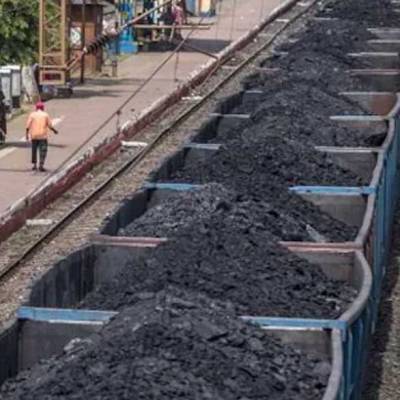
Coal India (CIL) will produce 750 million tonne of coal by FY2020-21 and would further produce 1 billion tonne of coal in FY2023-24, announced Minister of Coal & Mines Pralhad Joshi. This announcement was made during the minister’s address at the 45th Foundation Day of CIL in Kolkata.

CIL is currently given the target of producing 660 million tonne of coal amounting to 82 per cent of the country’s coal output. CIL is also likely to offer around 10,000 new jobs to boost employment. The minister has directed CIL to take the necessary steps to achieve this goal in light of the growing energy requirements of the country and has assured it all possible help from the coal ministry in this regard.

“It is heartening to know that Coal India has planned for huge capital investments for its works and expansion programmes, along with bringing in new technologies in its operations. The company will also be on hiring personnel and I am hopeful that it will achieve all assigned goals on time,” Pralhad Joshi said, as per a PIB release.

The minister said that with the demand for power rising steeply, there is enough opportunity for both government and private sectors to produce coal without adversely impacting each other. Referring to the Central Government’s recent decision of 100 per cent FDI under automatic route in coal sector, as one of the much-needed structural reforms in the sector, he said that it will minimise the volume of coal import and will be mutually beneficial. The minister sought to allay the fears of domestic players and labour unions by reiterating that FDI in coal does not stand for FDI in Coal India.

During his address, he urged CIL to get associated Jal Shakti Abhiyan to conserve water and provide treated mine water to the populace living in and around coal mining areas. The minister also enumerated the milestones in policy reforms of the government like introduction of e-auction for allocation of captive coal blocks, Scheme for Harnessing and Allocating Koyala Transparently in India (SHAKTI), third party sampling of coal, re-gradation of coal mines in India, etc.

Coal India (CIL) will produce 750 million tonne of coal by FY2020-21 and would further produce 1 billion tonne of coal in FY2023-24, announced Minister of Coal & Mines Pralhad Joshi. This announcement was made during the minister’s address at the 45th Foundation Day of CIL in Kolkata. CIL is currently given the target of producing 660 million tonne of coal amounting to 82 per cent of the country’s coal output. CIL is also likely to offer around 10,000 new jobs to boost employment. The minister has directed CIL to take the necessary steps to achieve this goal in light of the growing energy requirements of the country and has assured it all possible help from the coal ministry in this regard. “It is heartening to know that Coal India has planned for huge capital investments for its works and expansion programmes, along with bringing in new technologies in its operations. The company will also be on hiring personnel and I am hopeful that it will achieve all assigned goals on time,” Pralhad Joshi said, as per a PIB release. The minister said that with the demand for power rising steeply, there is enough opportunity for both government and private sectors to produce coal without adversely impacting each other. Referring to the Central Government’s recent decision of 100 per cent FDI under automatic route in coal sector, as one of the much-needed structural reforms in the sector, he said that it will minimise the volume of coal import and will be mutually beneficial. The minister sought to allay the fears of domestic players and labour unions by reiterating that FDI in coal does not stand for FDI in Coal India. During his address, he urged CIL to get associated Jal Shakti Abhiyan to conserve water and provide treated mine water to the populace living in and around coal mining areas. The minister also enumerated the milestones in policy reforms of the government like introduction of e-auction for allocation of captive coal blocks, Scheme for Harnessing and Allocating Koyala Transparently in India (SHAKTI), third party sampling of coal, re-gradation of coal mines in India, etc.

Next Story
Infrastructure Transport

Pune To Build Nine Km Link Road Between Highways

The Pune Municipal Corporation (PMC) has decided to appoint an expert to plan the development of a nine km long, 60 metre wide road from Khadi Machine chowk to Wadki chowk as an extension to the Katraj-Kondhwa road to link the Mumbai-Satara and Pune-Solapur national highways. The scheme is intended to divert heavy vehicle traffic away from the city and improve access between the two arterial routes. The project has been prioritised by the PMC and forms part of a larger set of schemes in which 19 roads have been identified for development at a combined cost of Rs 9.82 billion (bn) to address c..

Next Story
Infrastructure Transport

Barabanki Bahraich Six Lane Highway Approved in Uttar Pradesh

The Uttar Pradesh government has approved construction of a new six-lane highway linking Barabanki and Bahraich as part of National Highway 927, and the cabinet has cleared the project. The alignment will pass through Mustafabad and Kaiserganj and extend for about 101.5 km, creating a key corridor for local and long-distance movement. The National Highways Authority of India will oversee the work and has signalled the scheme is intended to strengthen regional connectivity and cross-border access to Nepal. The project carries an estimated total cost of Rs 69,690 million, equivalent to Rs 69.69..

Next Story
Infrastructure Transport

Toll At Kharegaon Likely As Highway Upgrade Nears Completion

A section of the highway at Kharegaon has undergone an upgrade and is approaching completion, and authorities have indicated plans for a toll to be introduced once works finish. The project has focused on strengthening the carriageway, improving drainage and upgrading intersections to enhance safety and capacity. Officials have said the toll will be used to recover construction costs and fund ongoing maintenance. The upgrade included resurfacing of the pavement, widening of certain stretches and installation of modern signage and lighting to reduce accident risk. Contractors completed most ma..

Advertisement

Subscribe to Our Newsletter

Get daily newsletters around different themes from Construction world.

STAY CONNECTED

Advertisement

Advertisement

Advertisement