+
2nd Smart Cities Summit 2015
SMART CITIES

2nd Smart Cities Summit 2015

After a successful first edition in Mumbai last August, the 2nd edition of the Sm@rt Cities Summit was held at India Habitat Centre, New Delhi, on February 17-18, 2015.
Organised by FIRST Sm@rt Cities Council, the two-day summit aimed to bring all stakeholders under one roof for an impressive exchange of ideas with the theme, Smart Cities: From Concept to Reality. Supported by the Ministry of Urban Development and National Institute of Urban Affairs, the summit featured policymakers, civic chiefs, industry leaders and smart cities captains from across the world.

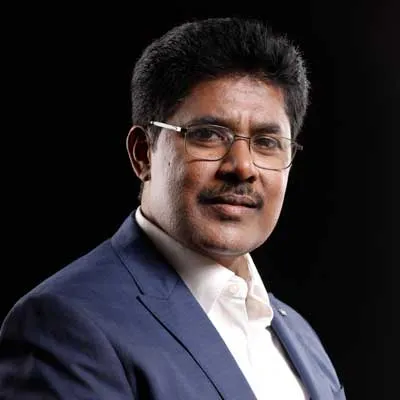
In his welcome address, Pratap Padode, Chairman, FIRST Sm@rt Cities Council, set the tone for the day.
He emphasized upon the need for smart cities, affirming: ´We don´t want the demographic dividend to be lost.´ The inaugural session also witnessed the unveiling of the Smart Cities Summit Handbook by FSCC and Ernst and Young. This was followed by the keynote address by Philip Bane, Executive Director, Smart Cities Council, USA. ´We have to accept cities as they are,´ he said, underlining that ´cities are similar, but not the same.´ He further added, ´Urban India will contribute 75 per cent of GDP in the next 15 years and we have to look beyond the conventional use of resources.´

DAY 1
India´s Most Promising Cities Award
The municipal commissioners of 12 cities were felicitated with India´s Most Promising Cities Award for promoting smart and innovative development in India. These cities included Surat, Nagpur, Vadodara, Thane, Kanpur, Kalyan-Dombivli, Nashik, Bhopal, Indore, Visakhapatnam, Chandigarh and Ludhiana.

Session 1
The Beyond Concept... Towards Reality session focused on the Government´s plan to develop smart cities with focus on upgrading and updating current cities and addressing challenges in executing the smart vision. Moderator Jaijit Bhattacharya, Partner, KPMG, said on an opening note: ´The government and private developers have to come together, else smart cities will be a daunting task.´

Session 2
The Urban Planning for smart cities in India session focused on technological innovations to support planning and execution of smart city projects.

Session 3
The next session, Smart Technology, focused on ICT infrastructure and the need to integrate a city with urban solutions to make it smarter with citizen participation.

DAY 2
Session 1
Day 2 commenced with the Round Table, where challenges faced by private players were highlighted and solutions to overcome these were discussed.

Session 2
Smart technologies come with a price tag, and financing smart cities is a big unanswered issue in India. The Smart Finance: Raising Finance & Role of FDI for Developing Smart Cities session focused on the various finance models available for smartening up existing cities.

Session 3
The Smart Cities Start-Up Innovation Showcase session offered a hitherto-unseen platform for start-up companies to present their unique services to fulfil the vision for futuristic cities. Zenatix presented its smart energy solutions, followed by NER Group (Singapore) on smart technology, Vulog (Paris, Europe) on smart mobility, Studio POD on smart urban planning, Cityntel (Estonia, Europe) on smart streetlight control, and Allgreen Ecotech Solutions on energy efficiency.

Session 4
In the face of smart transformation, utilities hold the key to smart savings as energy is required for just about everything that is operational in the city. This session focused on Smart Energy.

Session 5
Also, with growing and expanding cities, mobility needs to be planned in a smarter way to be more efficient, reliable and green. The session on Smart Mobility focused on solutions and intelligent transport systems.

Session 6
The session on Smart Utilities highlighted the need for 24/7 uninterrupted supply of electricity and water along with effective waste management for citizens and industries operating within the city. The session also focused on smart power grids and streetlights, smart utilities for innovative cities, and public emergency and city services for emergencies and security.

Session 7
The last session of the day, Smart Governance, focused on the government challenges for smart cities. T Chatterjee, Director, Indian Institute of Public Administration, stated, ´We must reduce the city-village divide geographically.´ On a concluding note, conference chair Dr Sudhir Krishna, Former Secretary, Ministry of Urban Development, delivered the valedictory address.

In conclusion
With powerful and dynamic speakers and an august audience, the Summit was a smart two days of networking, conversation and knowledge-building about smart cities and opportunities in India. Although building a smart future will not be challenge-free, the Summit made it evident that we have the will to push forward.

Day 1 (February 17, 2015)
Inaugural session

Session 1: Beyond Concept... Towards Reality
Session 2: Urban Planning for Smart Cities in India
Session 3: Smart Technology
Presentations:´  Global Standardization for Smart Cities and How India Can Adapt to the Standards
´Smart Cities, Why Strategy Comes First?

Day 2 (February 18, 2015)
Session 1: Round Table
Session 2: Smart Finance: Raising Finance & Role of FDI for Developing Smart Cities
Session 3: Smart Cities Start-Up Innovation Showcase
Session 4: Smart Energy
Session 5: Smart Mobility
Session 6: Smart Utilities
Session 7: Smart Governance

Start-Up Innovation Showcase presentations on Day 2 sessions
SMART ENERGY: Zenatix
SMART URBAN PLANNING: Studio POD
SMART TECHNOLOGY (innovative bottom-up approach to smart cities): NER Group (Singapore)
SMART STREETLIGHT CONTROL: Cityntel (Estonia, Europe)
SMART MOBILITY: Vulog (Paris, Europe)
ENERGY EFFICIENCY: Allgreen Ecotech Solutions


After a successful first edition in Mumbai last August, the 2nd edition of the Sm@rt Cities Summit was held at India Habitat Centre, New Delhi, on February 17-18, 2015. Organised by FIRST Sm@rt Cities Council, the two-day summit aimed to bring all stakeholders under one roof for an impressive exchange of ideas with the theme, Smart Cities: From Concept to Reality. Supported by the Ministry of Urban Development and National Institute of Urban Affairs, the summit featured policymakers, civic chiefs, industry leaders and smart cities captains from across the world. In his welcome address, Pratap Padode, Chairman, FIRST Sm@rt Cities Council, set the tone for the day. He emphasized upon the need for smart cities, affirming: ´We don´t want the demographic dividend to be lost.´ The inaugural session also witnessed the unveiling of the Smart Cities Summit Handbook by FSCC and Ernst and Young. This was followed by the keynote address by Philip Bane, Executive Director, Smart Cities Council, USA. ´We have to accept cities as they are,´ he said, underlining that ´cities are similar, but not the same.´ He further added, ´Urban India will contribute 75 per cent of GDP in the next 15 years and we have to look beyond the conventional use of resources.´ DAY 1 India´s Most Promising Cities Award The municipal commissioners of 12 cities were felicitated with India´s Most Promising Cities Award for promoting smart and innovative development in India. These cities included Surat, Nagpur, Vadodara, Thane, Kanpur, Kalyan-Dombivli, Nashik, Bhopal, Indore, Visakhapatnam, Chandigarh and Ludhiana. Session 1 The Beyond Concept... Towards Reality session focused on the Government´s plan to develop smart cities with focus on upgrading and updating current cities and addressing challenges in executing the smart vision. Moderator Jaijit Bhattacharya, Partner, KPMG, said on an opening note: ´The government and private developers have to come together, else smart cities will be a daunting task.´ Session 2 The Urban Planning for smart cities in India session focused on technological innovations to support planning and execution of smart city projects. Session 3 The next session, Smart Technology, focused on ICT infrastructure and the need to integrate a city with urban solutions to make it smarter with citizen participation. DAY 2 Session 1 Day 2 commenced with the Round Table, where challenges faced by private players were highlighted and solutions to overcome these were discussed. Session 2 Smart technologies come with a price tag, and financing smart cities is a big unanswered issue in India. The Smart Finance: Raising Finance & Role of FDI for Developing Smart Cities session focused on the various finance models available for smartening up existing cities. Session 3 The Smart Cities Start-Up Innovation Showcase session offered a hitherto-unseen platform for start-up companies to present their unique services to fulfil the vision for futuristic cities. Zenatix presented its smart energy solutions, followed by NER Group (Singapore) on smart technology, Vulog (Paris, Europe) on smart mobility, Studio POD on smart urban planning, Cityntel (Estonia, Europe) on smart streetlight control, and Allgreen Ecotech Solutions on energy efficiency. Session 4 In the face of smart transformation, utilities hold the key to smart savings as energy is required for just about everything that is operational in the city. This session focused on Smart Energy. Session 5 Also, with growing and expanding cities, mobility needs to be planned in a smarter way to be more efficient, reliable and green. The session on Smart Mobility focused on solutions and intelligent transport systems. Session 6 The session on Smart Utilities highlighted the need for 24/7 uninterrupted supply of electricity and water along with effective waste management for citizens and industries operating within the city. The session also focused on smart power grids and streetlights, smart utilities for innovative cities, and public emergency and city services for emergencies and security. Session 7 The last session of the day, Smart Governance, focused on the government challenges for smart cities. T Chatterjee, Director, Indian Institute of Public Administration, stated, ´We must reduce the city-village divide geographically.´ On a concluding note, conference chair Dr Sudhir Krishna, Former Secretary, Ministry of Urban Development, delivered the valedictory address. In conclusion With powerful and dynamic speakers and an august audience, the Summit was a smart two days of networking, conversation and knowledge-building about smart cities and opportunities in India. Although building a smart future will not be challenge-free, the Summit made it evident that we have the will to push forward. Day 1 (February 17, 2015) Inaugural session Session 1: Beyond Concept... Towards Reality Session 2: Urban Planning for Smart Cities in India Session 3: Smart Technology Presentations:´  Global Standardization for Smart Cities and How India Can Adapt to the Standards ´Smart Cities, Why Strategy Comes First? Day 2 (February 18, 2015) Session 1: Round Table Session 2: Smart Finance: Raising Finance & Role of FDI for Developing Smart Cities Session 3: Smart Cities Start-Up Innovation Showcase Session 4: Smart Energy Session 5: Smart Mobility Session 6: Smart Utilities Session 7: Smart Governance Start-Up Innovation Showcase presentations on Day 2 sessions SMART ENERGY: Zenatix SMART URBAN PLANNING: Studio POD SMART TECHNOLOGY (innovative bottom-up approach to smart cities): NER Group (Singapore) SMART STREETLIGHT CONTROL: Cityntel (Estonia, Europe) SMART MOBILITY: Vulog (Paris, Europe) ENERGY EFFICIENCY: Allgreen Ecotech Solutions

Next Story
Infrastructure Urban

India Expands Semiconductor Training To 500 Institutions

Under the Chips to Startups programme of the India Semiconductor Mission, the Union minister responsible for Railways, Information and Broadcasting, and Electronics and IT reported notable progress in talent development. He indicated that over the past four years substantial steps have been taken towards a 10-year target of training 85,000 engineers in semiconductor design. World-class EDA tools have been deployed in 315 academic institutions across the country to provide students with practical exposure to chip design. These EDA tools are supported by leading global firms and are accessible t..

Next Story
Infrastructure Urban

Delhi Institutions Support India Semiconductor Mission

The Government of India has prioritised talent development through training, upskilling and workforce development under the Chips to Startups initiative of the India Semiconductor Mission, with officials noting progress in four years towards a 10-year target of training 85,000 engineers in semiconductor design. Electronic design automation tools provided by Synopsys, Cadence, Siemens, Renesas, Ansys and AMD have been deployed in 315 academic institutions, enabling students to gain practical chip design experience. Chips have been fabricated and tested at the Semiconductor Laboratory, Mohali, a..

Next Story
Infrastructure Urban

NHA Announces Winners Of NHCX Hackathon At IIT Hyderabad

The National Health Authority (NHA) has concluded the NHCX Hackathon under the Ayushman Bharat Digital Mission (ABDM) to stimulate innovation around the National Health Claims Exchange (NHCX). The winning teams presented their solutions at the NHCX Innovation Meet held at IIT Hyderabad during a two-day event in March 2026 that also served as the hackathon grand finale. The hackathon itself ran from 22 to 28 February 2026 and aimed to accelerate paperless, transparent claims processing across India. The event was organised with a range of ecosystem partners, including the Insurance Regulatory a..

Advertisement

Subscribe to Our Newsletter

Get daily newsletters around different themes from Construction world.

STAY CONNECTED

Advertisement

Advertisement

Advertisement