Cement industry targets 80 mt capacity addition in next 3 years
Cement

Cement industry targets 80 mt capacity addition in next 3 years

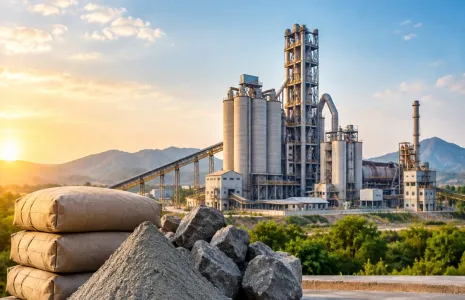
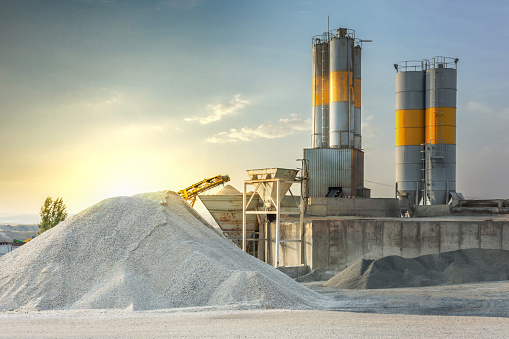
The cement industry is expecting an 80 million tonne (mt) addition in its capacity over the coming three years during FY 2024.

It is a quarter more than the previous three fiscals (64 mt) and would be the highest capacity addition in any sector of three continuous years.

The market share of the 10 leading players would grow as 70% of the new capacities would be added by them. To maintain their credit profiles strong, lower project risks and financing of this capital expenditure (capex) by internal accruals would help.

According to the media sources, capex plans of the leading 24 cement players account for India's nearly 450 mt of the total cement capacity of 538 mt.

After a massive impact of the pandemic last fiscal, cement demand is likely to develop strong at more than 10% on-year this fiscal, following the investments in the housing sector and infrastructure.

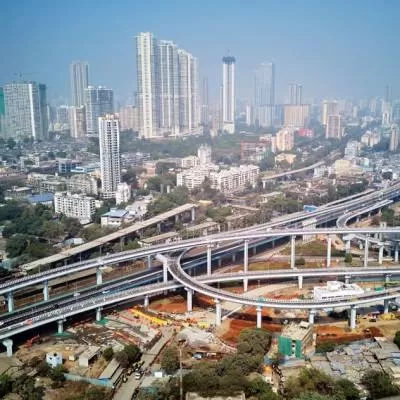
The government is also concentrating on constructing railways, roads, and resumption of housing construction this fiscal, which would drive the cement consumption.

The medium-term market outlook also continues to be strong, following the focus of the government on infrastructure (buildings, metros, roads, and railways). In the affordable housing sector, around 68% of the 19.5 million units targeted under Pradhan Mantri Awas Yojana (PMAY-R) is yet to be built, and cement demand should get a lift as these units get constructed over the coming 2-3 fiscal years.

Capacity addition would be skewed by nearly 45-47 mt addition in the Central and Eastern regions, backed by strong demand of these areas and current utilisations of 72%. In comparison to South, which is likely to observe only 6-7 mt additions, following the excess supply and lower utilisation levels of 54%.

Around 60% of the new capacities would be brownfield, which is improvements at the same location. So, keeping capital costs 40-50% below at Rs 4,100-4,600 per tonne and lowering the total value to nearly Rs 25,000-26,000 crore for these leading ten players.

From the total spend, around Rs 5,500-5,600 crore was already incurred by March 31, 2021. The balance is likely to be financed by an internal cash accrual of almost Rs 50,000 crore. It is expected to be generated in the coming three fiscals.

Image Source


Also read: Ramco Cements plans Rs 636 cr capacity expansion in Tamil Nadu

Also read: Ambuja Cements to add 20 mtpa capacity at Rs 10k cr

The cement industry is expecting an 80 million tonne (mt) addition in its capacity over the coming three years during FY 2024. It is a quarter more than the previous three fiscals (64 mt) and would be the highest capacity addition in any sector of three continuous years. The market share of the 10 leading players would grow as 70% of the new capacities would be added by them. To maintain their credit profiles strong, lower project risks and financing of this capital expenditure (capex) by internal accruals would help. According to the media sources, capex plans of the leading 24 cement players account for India's nearly 450 mt of the total cement capacity of 538 mt. After a massive impact of the pandemic last fiscal, cement demand is likely to develop strong at more than 10% on-year this fiscal, following the investments in the housing sector and infrastructure. The government is also concentrating on constructing railways, roads, and resumption of housing construction this fiscal, which would drive the cement consumption. The medium-term market outlook also continues to be strong, following the focus of the government on infrastructure (buildings, metros, roads, and railways). In the affordable housing sector, around 68% of the 19.5 million units targeted under Pradhan Mantri Awas Yojana (PMAY-R) is yet to be built, and cement demand should get a lift as these units get constructed over the coming 2-3 fiscal years. Capacity addition would be skewed by nearly 45-47 mt addition in the Central and Eastern regions, backed by strong demand of these areas and current utilisations of 72%. In comparison to South, which is likely to observe only 6-7 mt additions, following the excess supply and lower utilisation levels of 54%. Around 60% of the new capacities would be brownfield, which is improvements at the same location. So, keeping capital costs 40-50% below at Rs 4,100-4,600 per tonne and lowering the total value to nearly Rs 25,000-26,000 crore for these leading ten players. From the total spend, around Rs 5,500-5,600 crore was already incurred by March 31, 2021. The balance is likely to be financed by an internal cash accrual of almost Rs 50,000 crore. It is expected to be generated in the coming three fiscals. Image Source Also read: Ramco Cements plans Rs 636 cr capacity expansion in Tamil Nadu Also read: Ambuja Cements to add 20 mtpa capacity at Rs 10k cr

Next Story
Building Material

Jindal Aluminium Marks 56 Years of Industrial Leadership

Jindal Aluminium Limited has marked its 56th Inception Day, celebrating a legacy built on vision, resilience and manufacturing leadership. Founded in 1968 and incorporated in 1970 by Padma Bhushan Dr Sitaram Jindal, the company has grown into a major force in India’s downstream aluminium sector under the leadership of Pragun Jindal Khaitan.The company is India’s largest manufacturer of aluminium extruded products and the second-largest producer of aluminium flat-rolled products. With a turnover of around Rs 5,500 crore and a workforce of over 4,000, Jindal Aluminium continues to strengthen..

Next Story
Infrastructure Transport

Tunnelling Begins for Thane, Borivali twin tunnel project

Tunnelling work has commenced for the 11.84-km Thane–Borivali Twin Tunnel, set to be India’s longest urban road tunnel, marking a key milestone in Mumbai’s infrastructure development.As per a post shared by Mumbai Metropolitan Region Development Authority on social media platform X, the tunnel boring machine (TBM) ‘Nayak’—the country’s largest single-shield hard rock TBM for an urban tunnel—was launched by Devendra Fadnavis on Tuesday. The event was attended by Eknath Shinde and Sunetra Pawar, among other dignitaries. A second TBM, ‘Arjuna’, is expected to be launched so..

Next Story
Infrastructure Transport

Large Format Store Planned At M G Road Metro Station

M G Road station in Bengaluru is set to host the city’s first large-format commercial and experience space, with planning led by Bangalore Metro Rail Corporation Limited. BMRCL has invited proposals to develop and operate a central business district destination at the Purple?Pink Line interchange. The plan positions the station as a commercial hub designed to serve a broad commuter base across the city. The proposal is part of a broader effort to activate transit nodes commercially. Tender documents set a minimum monthly rental of Rs 0.944 million (mn), inclusive of GST, for the large-format..

Advertisement

Subscribe to Our Newsletter

Get daily newsletters around different themes from Construction world.

STAY CONNECTED

Advertisement

Advertisement

Advertisement