Government Signs First Commercial Underground Coal Gasification Deals
COAL & MINING

Government Signs First Commercial Underground Coal Gasification Deals

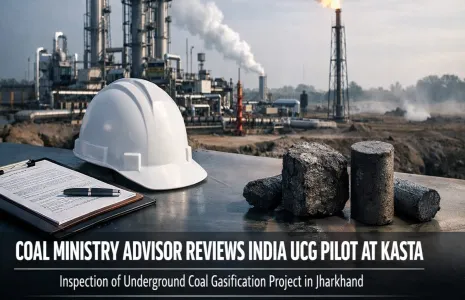
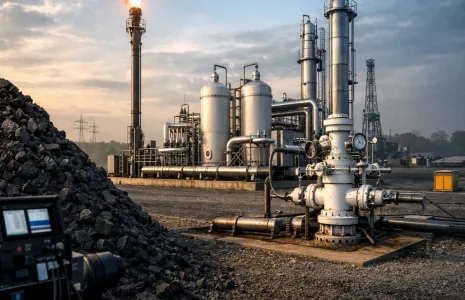
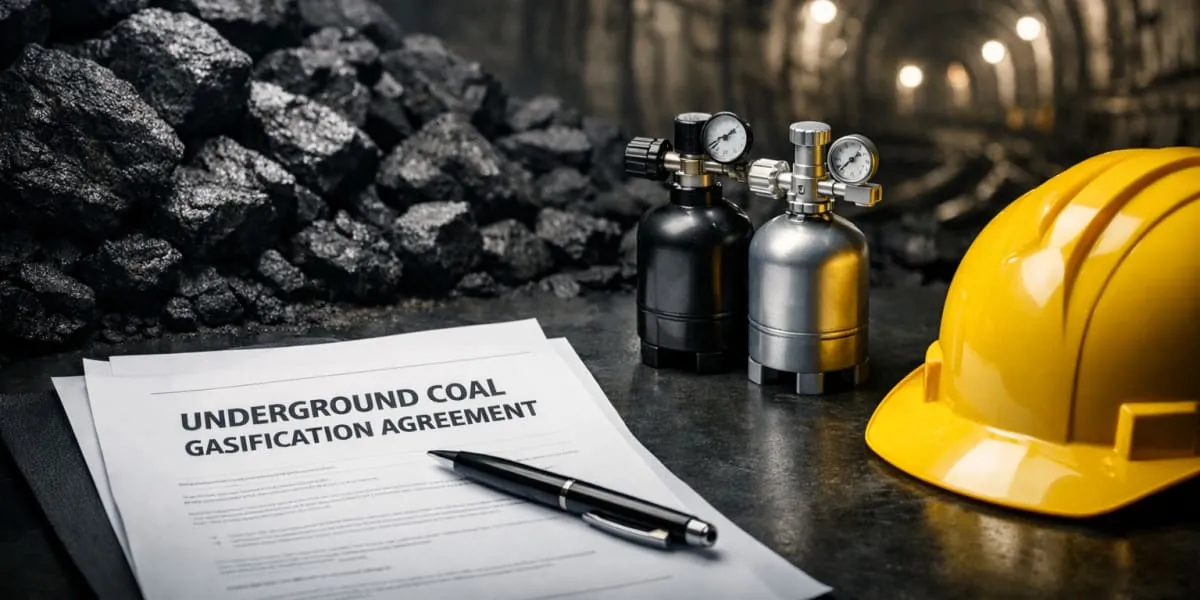
The central government has signed the first commercial agreements to develop coal mines under the underground coal gasification framework, marking a significant policy milestone for domestic energy supply. The agreements formalise roles for the nodal ministry, selected developers and state agencies and set out contractual obligations, compliance requirements and revenue arrangements. Officials described the step as intended to unlock stranded coal reserves and to diversify fuel sources while maintaining regulatory oversight and environmental safeguards.

The framework adopts a phased approach to deployment with initial projects focused on technical validation, environmental monitoring and community engagement. Developers are required to submit detailed site plans, groundwater protection measures and monitoring protocols before operations commence. The government will retain authority to enforce compliance and to suspend activity if safeguards are not met, and will publish reports on environmental performance and project milestones to ensure transparency.

Officials said the framework is expected to stimulate investment in complementary technology, create local employment opportunities and support feedstock supplies for domestic gas and chemicals sectors. The move is presented as part of a wider strategy to improve energy security and to reduce dependence on imported fuels, while testing commercial viability of the underground coal gasification process at scale. Stakeholders will assess outcomes from early projects before further roll out.

Next steps include final regulatory clearances, mobilisation of resources by contracting parties and the commencement of baseline environmental studies at selected locations. The ministry will coordinate with state governments and independent monitors to oversee implementation and to address community concerns. Depending on early results, the programme may be expanded to additional sites to support industrial demand and strategic reserves.

The central government has signed the first commercial agreements to develop coal mines under the underground coal gasification framework, marking a significant policy milestone for domestic energy supply. The agreements formalise roles for the nodal ministry, selected developers and state agencies and set out contractual obligations, compliance requirements and revenue arrangements. Officials described the step as intended to unlock stranded coal reserves and to diversify fuel sources while maintaining regulatory oversight and environmental safeguards. The framework adopts a phased approach to deployment with initial projects focused on technical validation, environmental monitoring and community engagement. Developers are required to submit detailed site plans, groundwater protection measures and monitoring protocols before operations commence. The government will retain authority to enforce compliance and to suspend activity if safeguards are not met, and will publish reports on environmental performance and project milestones to ensure transparency. Officials said the framework is expected to stimulate investment in complementary technology, create local employment opportunities and support feedstock supplies for domestic gas and chemicals sectors. The move is presented as part of a wider strategy to improve energy security and to reduce dependence on imported fuels, while testing commercial viability of the underground coal gasification process at scale. Stakeholders will assess outcomes from early projects before further roll out. Next steps include final regulatory clearances, mobilisation of resources by contracting parties and the commencement of baseline environmental studies at selected locations. The ministry will coordinate with state governments and independent monitors to oversee implementation and to address community concerns. Depending on early results, the programme may be expanded to additional sites to support industrial demand and strategic reserves.

Next Story
Infrastructure Urban

Systematix Posts FY26 Revenue Growth And Declares 10 Per Cent Dividend

Systematix Corporate Services Limited has reported audited results for the quarter and year ended March 31, 2026, signalling steady revenue growth and continued strategic investment to support expansion. The firm reported ongoing business momentum across its core financial services and noted platform building in private wealth and asset management. The board recommended a 10 per cent dividend for FY26, continuing a consistent shareholder payout record. Management indicated that investments in technology and talent aim to build long-term scale. Total income from operations for FY26 rose five pe..

Next Story
Infrastructure Transport

Maharashtra Guarantees Rs 60 bn Loan For Purandar Airport Land

The Maharashtra government has cleared a state guarantee for a Rs 60 bn loan that the Maharashtra Industrial Development Corporation (MIDC) will raise to fund land acquisition for the proposed Chhatrapati Sambhaji Raje International Airport at Purandar in Pune district. The guarantee will remain in force for one year, within which the borrowing must be tied up and the proceeds deployed for buying land and disbursing compensation to affected farmers. A formal government resolution to this effect was issued on Friday. About 3,000 acres are slated to be acquired for the greenfield airport, with t..

Next Story
Building Material

Cement Production Up Eight Point Six Per Cent To 491.4 mn t In FY26

Icra reported that cement production volumes rose by eight point six per cent in the financial year 2026 to 491.4 million (mn) metric tonne (t). March output was 48.4 mn t, up four per cent year on year on a high base. The agency projected that volumes are expected to grow by seven to eight per cent in the current financial year, supported by sustained demand from the housing and infrastructure sectors. Average cement prices were reported to have remained flat in March at Rs 340 per bag on a month on month basis, while prices for FY26 increased by two per cent to Rs 345 per bag year on year. A..

Advertisement

Subscribe to Our Newsletter

Get daily newsletters around different themes from Construction world.

STAY CONNECTED

Advertisement

Advertisement

Advertisement