Sujal Gram Samvad Emphasises Community Ownership Of Rural Water
WATER & WASTE

Sujal Gram Samvad Emphasises Community Ownership Of Rural Water

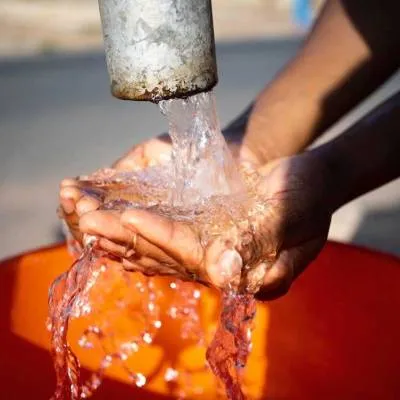
The Department of Drinking Water and Sanitation (DDWS), Ministry of Jal Shakti, organised the seventh edition of the multilingual Sujal Gram Samvad under Jal Jeevan Mission two point zero (JJM 2.0). The virtual dialogue brought together village representatives, Panchayat members, Village Water and Sanitation Committees (VWSCs) and frontline functionaries to share local practices on operation and maintenance (O&M) of rural water supply assets. The event featured six Gram Panchayat interactions and around 4,000 digital participants across regional languages.

The Samvad was chaired by the Secretary of DDWS, with the Joint Secretary, National Jal Jeevan Mission, and senior officials in attendance. It served as a platform to learn from the Gram Panchayat experience and strengthen community governance. Organisers urged Panchayats and local bodies to assume ownership of operation and maintenance while district administrations provide technical support.

Contributions from the six Gram Panchayats illustrated diverse approaches. In Khandwa Patta, Rajasthan, committees reported household tap connections, female participation in VWSCs, community training for water quality testing and efforts to repair leakages under the state Jal Sanchay campaign. In Khamrang, Mizoram, representatives described a WhatsApp network for scheduling and maintenance, routine chlorination and community monitoring and noted the district has achieved 100 per cent household tap water coverage. In Pauri Garhwal, Uttarakhand, the VWSC collects Rs 20 monthly for repairs and authorities cited spring and solar projects to secure supplies in difficult terrain.

In Karnataka, beneficiaries in Inahalli described a new borewell, overhead storage and pipeline works and a Rs 70 user contribution that supports operation and maintenance, and informed that about 260 villages enjoy round the clock supply with a target to scale to 1,000 villages. In Punjab and Uttar Pradesh the dialogues reflected improved water quality, routine Gram Panchayat reviews and river rejuvenation initiatives. The session concluded with senior officials commending community engagement and urging replication of transparent, accountable models at Gram Panchayat level.

The Department of Drinking Water and Sanitation (DDWS), Ministry of Jal Shakti, organised the seventh edition of the multilingual Sujal Gram Samvad under Jal Jeevan Mission two point zero (JJM 2.0). The virtual dialogue brought together village representatives, Panchayat members, Village Water and Sanitation Committees (VWSCs) and frontline functionaries to share local practices on operation and maintenance (O&M) of rural water supply assets. The event featured six Gram Panchayat interactions and around 4,000 digital participants across regional languages. The Samvad was chaired by the Secretary of DDWS, with the Joint Secretary, National Jal Jeevan Mission, and senior officials in attendance. It served as a platform to learn from the Gram Panchayat experience and strengthen community governance. Organisers urged Panchayats and local bodies to assume ownership of operation and maintenance while district administrations provide technical support. Contributions from the six Gram Panchayats illustrated diverse approaches. In Khandwa Patta, Rajasthan, committees reported household tap connections, female participation in VWSCs, community training for water quality testing and efforts to repair leakages under the state Jal Sanchay campaign. In Khamrang, Mizoram, representatives described a WhatsApp network for scheduling and maintenance, routine chlorination and community monitoring and noted the district has achieved 100 per cent household tap water coverage. In Pauri Garhwal, Uttarakhand, the VWSC collects Rs 20 monthly for repairs and authorities cited spring and solar projects to secure supplies in difficult terrain. In Karnataka, beneficiaries in Inahalli described a new borewell, overhead storage and pipeline works and a Rs 70 user contribution that supports operation and maintenance, and informed that about 260 villages enjoy round the clock supply with a target to scale to 1,000 villages. In Punjab and Uttar Pradesh the dialogues reflected improved water quality, routine Gram Panchayat reviews and river rejuvenation initiatives. The session concluded with senior officials commending community engagement and urging replication of transparent, accountable models at Gram Panchayat level.

Next Story
Infrastructure Energy

Statcon Energiaa Partners with Ram Raja Solar

Statcon Energiaa has signed a Memorandum of Understanding (MoU) with Ram Raja Solar Power Green Energy to strengthen the deployment of large-capacity Battery Energy Storage Systems (BESS) and hybrid inverter solutions across Uttar Pradesh.The partnership brings together Statcon Energiaa's expertise in power electronics and energy storage with Ram Raja Solar's project execution capabilities to improve access to solar-plus-storage solutions in the state.According to the companies, the collaboration will enable faster availability of high-capacity BESS and hybrid inverter systems through reduced ..

Next Story
Infrastructure Urban

Opptra Partners With Unicommerce To Scale Brands

Opptra has partnered with Unicommerce to strengthen and scale its e-commerce operations across India, the GCC and Southeast Asia.Under the partnership, Unicommerce’s flagship Uniware platform will support Opptra’s order, inventory and fulfilment operations as the company expands its portfolio of more than 33 consumer brands across Asian markets.Opptra, founded by Flipkart co-founder Binny Bansal, operates as an AI-native e-commerce distributor. It manages a brand’s end-to-end online operations, including marketplace management, pricing, advertising, content, fulfilment and customer servi..

Next Story
Resources

LIXIL Posts 23 Per Cent Rise in Core Earnings

LIXIL Corporation reported a 22.9 per cent increase in core earnings to ¥38.5 billion for the fiscal year ended 31 March 2026, supported by resilient international operations and strong growth across the India, Middle East and Africa (IMEA) region.The company posted consolidated revenue of ¥1,510.7 billion, up 0.4 per cent year on year, while EBITDA rose by ¥7.1 billion to ¥121.6 billion. Net profit attributable to owners of the parent increased to ¥8.1 billion, aided by improved operating performance and lower corporate income tax expenses.International business revenue grew to ¥520.9 b..

Advertisement

Subscribe to Our Newsletter

Get daily newsletters around different themes from Construction world.

STAY CONNECTED

Advertisement

Advertisement

Advertisement