
+
Nalco Eyes Rare Earth Mining and Lithium Assets
COAL & MINING

Nalco Eyes Rare Earth Mining and Lithium Assets

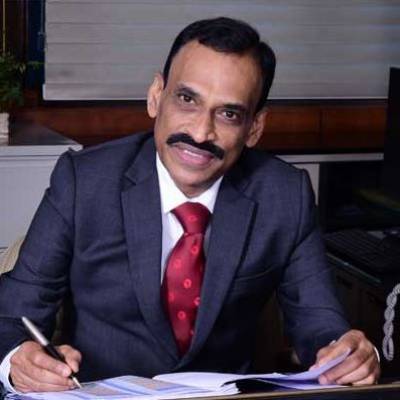
State-owned National Aluminium Company Ltd (Nalco) is considering a foray into mining rare earth elements (REEs), with its bid adviser carrying out due diligence on domestic auctions for REEs, magnesium and chromite blocks, Chairman and Managing Director Brijendra Pratap Singh said on Monday.

The move signals Nalco’s diversification beyond bauxite and alumina into high-value critical minerals that are vital for electronics, defence, renewable energy and electric vehicles. REEs are essential for applications such as magnets used in wind turbines, EV motors and missile guidance systems. India currently relies heavily on imports for these minerals, with domestic output negligible, making self-reliance a strategic priority amid China’s roughly 80 per cent dominance of global supply.

In an interview, Singh said the bid adviser would assess mine viability, optimal acquisition premiums and Nalco’s participation in upcoming auctions. “The bid adviser will assess whether we should participate in domestic auctions of rare earth elements,” he said.

Nalco is also undertaking due diligence to acquire a stake in an operational lithium mine in Australia through Khanij Bidesh India Ltd (KABIL). KABIL is a joint venture of Nalco, Hindustan Copper Ltd and Mineral Exploration and Consultancy Ltd, all public sector undertakings under the Ministry of Mines. The proposed stake purchase would ensure a minimum guaranteed offtake of lithium for import into India, supporting domestic supply for EV batteries and renewable energy systems amid global shortages.

Lithium demand is rising sharply due to India’s electric mobility push and long-term decarbonisation goals. Nalco currently holds a 40 per cent stake in KABIL and may raise it to 50 per cent to fund overseas acquisitions of critical minerals.

Outlining operational priorities for 2026, Singh said Nalco would focus on maximising volumes, reducing costs and improving customer satisfaction across quality, packaging and pricing. On expansion, he said the fifth-stream alumina refinery is targeted for commissioning in June 2026, alongside the planned start of the Pottangi bauxite mines in the same month.

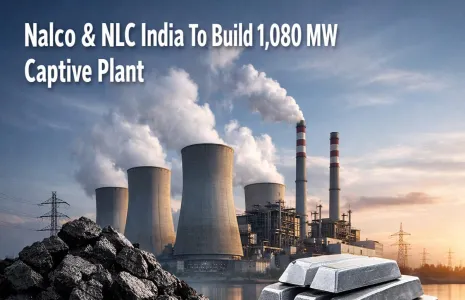
The next phase of growth will include an additional aluminium smelter capacity of 0.5 million tonnes per year and a 1,080 MW power plant. Nalco, a Navratna PSU, operates one of India’s largest integrated aluminium complexes spanning bauxite mining, alumina refining, aluminium smelting, power generation and coal mining.

State-owned National Aluminium Company Ltd (Nalco) is considering a foray into mining rare earth elements (REEs), with its bid adviser carrying out due diligence on domestic auctions for REEs, magnesium and chromite blocks, Chairman and Managing Director Brijendra Pratap Singh said on Monday. The move signals Nalco’s diversification beyond bauxite and alumina into high-value critical minerals that are vital for electronics, defence, renewable energy and electric vehicles. REEs are essential for applications such as magnets used in wind turbines, EV motors and missile guidance systems. India currently relies heavily on imports for these minerals, with domestic output negligible, making self-reliance a strategic priority amid China’s roughly 80 per cent dominance of global supply. In an interview, Singh said the bid adviser would assess mine viability, optimal acquisition premiums and Nalco’s participation in upcoming auctions. “The bid adviser will assess whether we should participate in domestic auctions of rare earth elements,” he said. Nalco is also undertaking due diligence to acquire a stake in an operational lithium mine in Australia through Khanij Bidesh India Ltd (KABIL). KABIL is a joint venture of Nalco, Hindustan Copper Ltd and Mineral Exploration and Consultancy Ltd, all public sector undertakings under the Ministry of Mines. The proposed stake purchase would ensure a minimum guaranteed offtake of lithium for import into India, supporting domestic supply for EV batteries and renewable energy systems amid global shortages. Lithium demand is rising sharply due to India’s electric mobility push and long-term decarbonisation goals. Nalco currently holds a 40 per cent stake in KABIL and may raise it to 50 per cent to fund overseas acquisitions of critical minerals. Outlining operational priorities for 2026, Singh said Nalco would focus on maximising volumes, reducing costs and improving customer satisfaction across quality, packaging and pricing. On expansion, he said the fifth-stream alumina refinery is targeted for commissioning in June 2026, alongside the planned start of the Pottangi bauxite mines in the same month. The next phase of growth will include an additional aluminium smelter capacity of 0.5 million tonnes per year and a 1,080 MW power plant. Nalco, a Navratna PSU, operates one of India’s largest integrated aluminium complexes spanning bauxite mining, alumina refining, aluminium smelting, power generation and coal mining.

Related Stories

Gold Stories
Next Story
Infrastructure Urban

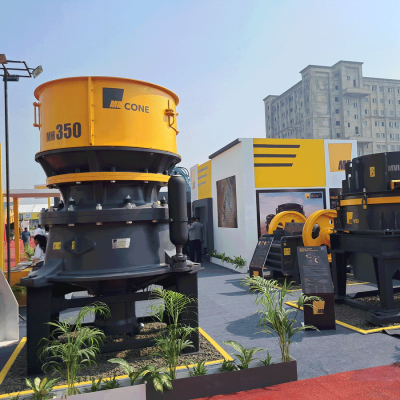
KONE Opens India's First Digital Experience Centre in Pune

KONE, a global elevator and escalator manufacturer, has inaugurated its first Digital Experience Centre (DEC) in India, located in Pune. The facility aims to showcase how artificial intelligence (AI), connectivity and data-driven technologies can enhance customer experiences and improve building operations.The centre was inaugurated by Jussi Herlin, Executive Vice Chair, KONE Corporation; Philippe Delorme, President and CEO, KONE; and Nandan Nilekani, Co-founder and Chairman of the Board, Infosys.Designed as an interactive customer environment, the facility demonstrates digital solutions cover..

Next Story
Infrastructure Urban

CII GreenCo Launches Circularity Guidelines for Indian Industry

The Confederation of Indian Industry (CII) GreenCo Council has launched the CII GreenCo Circularity Guidelines – Pilot Version at the 17th CII GreenCo Waste & Resource Management Summit 2026 in Chennai. The initiative aims to strengthen resource efficiency, waste reduction and circular economy practices across Indian manufacturing and process industries.The guidelines introduce a structured framework with circularity indices covering raw materials, consumables, packaging and other resource inputs. These indicators will help industries assess existing practices, identify opportunities to ..

Next Story
Infrastructure Energy

Global Electronics Association Launches IPC-1783-CO2E Standard

The Global Electronics Association has introduced IPC-1783-CO2E, a new international standard aimed at improving consistency, transparency and comparability in product carbon footprint reporting across the electronics manufacturing industry.The standard, titled International Standard for Data Collection and Reporting of CO2 Equivalent (CO2e) Emissions for the Electronics Manufacturing Supply Chain, provides industry-specific guidance for collecting, estimating and reporting carbon emissions data.With increasing regulatory requirements and customer expectations, electronics manufacturers face c..

Advertisement

Subscribe to Our Newsletter

Get daily newsletters around different themes from Construction world.

STAY CONNECTED

Advertisement

SPECIAL OFFER
QR Code