PM Dedicates 660 MW Ghatampur Power Unit to Nation
COAL & MINING

PM Dedicates 660 MW Ghatampur Power Unit to Nation

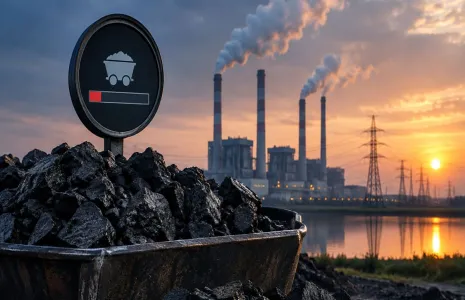
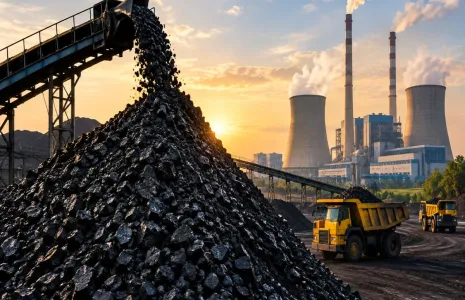
Prime Minister Shri Narendra Modi dedicated Unit-One (660 MW) of the Ghatampur Thermal Power Project to the nation, marking a major milestone for India's power sector. The project, located in Kanpur Nagar, Uttar Pradesh, is developed by Neyveli Uttar Pradesh Power Ltd, a joint venture between NLC India (51 per cent) and UPRVUNL (49 per cent), with a total planned capacity of 1,980 MW.

Built at a cost of Rs 217.81 billion, the power station features three supercritical units. Of the power generated, 75.12 per cent is allocated to Uttar Pradesh and 24.88 per cent to Assam, subject to a 20 per cent equity transfer from UPRVUNL to the Assam government.

The project includes SCR and FGD systems to reduce NOx and SOx emissions, a zero liquid discharge system, and canal lining works to conserve 195 MLD of water. It also features 288 km of canal lining, coal stock for 30 days, 46 lakh cubic metres of water storage, and a captive coal block with a 9 MTPA capacity.

The project strengthens the government's push towards Aatmanirbhar Bharat by ensuring power security, promoting employment, and supporting regional growth.

Source
Press Information Bureau (PIB), Ministry of Coal

Prime Minister Shri Narendra Modi dedicated Unit-One (660 MW) of the Ghatampur Thermal Power Project to the nation, marking a major milestone for India's power sector. The project, located in Kanpur Nagar, Uttar Pradesh, is developed by Neyveli Uttar Pradesh Power Ltd, a joint venture between NLC India (51 per cent) and UPRVUNL (49 per cent), with a total planned capacity of 1,980 MW. Built at a cost of Rs 217.81 billion, the power station features three supercritical units. Of the power generated, 75.12 per cent is allocated to Uttar Pradesh and 24.88 per cent to Assam, subject to a 20 per cent equity transfer from UPRVUNL to the Assam government. The project includes SCR and FGD systems to reduce NOx and SOx emissions, a zero liquid discharge system, and canal lining works to conserve 195 MLD of water. It also features 288 km of canal lining, coal stock for 30 days, 46 lakh cubic metres of water storage, and a captive coal block with a 9 MTPA capacity. The project strengthens the government's push towards Aatmanirbhar Bharat by ensuring power security, promoting employment, and supporting regional growth. Source Press Information Bureau (PIB), Ministry of Coal

Next Story
Infrastructure Transport

Large Format Store Planned At M G Road Metro Station

M G Road station in Bengaluru is set to host the city’s first large-format commercial and experience space, with planning led by Bangalore Metro Rail Corporation Limited. BMRCL has invited proposals to develop and operate a central business district destination at the Purple?Pink Line interchange. The plan positions the station as a commercial hub designed to serve a broad commuter base across the city. The proposal is part of a broader effort to activate transit nodes commercially. Tender documents set a minimum monthly rental of Rs 0.944 million (mn), inclusive of GST, for the large-format..

Next Story
Infrastructure Energy

Government Cancels Auction Of Eleven Critical Mineral Blocks

The government has cancelled the auction of 11 critical and strategic mineral blocks after receiving a poor investor response and failing to attract a sufficient number of qualified bidders. The decision represents a setback to plans to ramp up domestic exploration and production of critical minerals amid global supply chain disruptions and rising demand for materials used in clean energy and advanced technologies. The mines ministry issued an annulment notice setting out the reasons for the cancellations. The annulment notice indicated that the auction process for five mineral blocks was canc..

Next Story
Infrastructure Energy

Gujarat Pushes Biogas Growth With 193 Operational Units

Gujarat has operationalised 193 biogas plants across the state and is planning to add 60 more units as part of a broader push to scale up clean and sustainable energy solutions. The existing plants, established under various government-supported schemes, process organic waste including cattle dung and agricultural residue to produce biogas and a nutrient-rich slurry. The output is mainly used for cooking and other energy needs in rural and semi-urban communities, while also improving local waste management practices. The Gujarat Energy Development Agency (GEDA) is leading the initiative and is..

Advertisement

Subscribe to Our Newsletter

Get daily newsletters around different themes from Construction world.

STAY CONNECTED

Advertisement

Advertisement

Advertisement