India Looks To Turn LPG Import Crisis Into Push For Piped Gas
OIL & GAS

India Looks To Turn LPG Import Crisis Into Push For Piped Gas

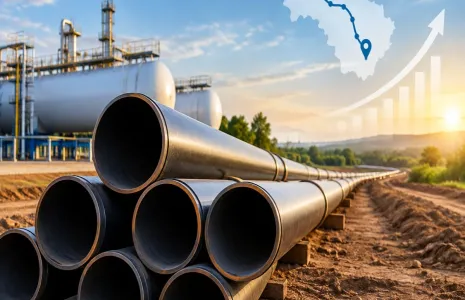
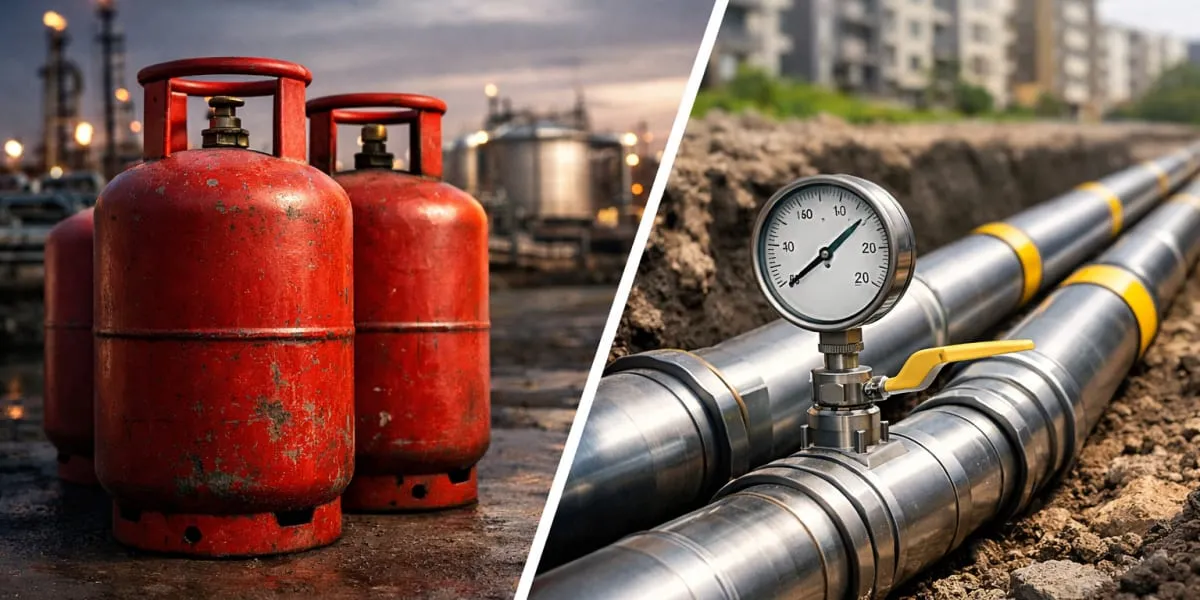
India is using a cooking gas crisis triggered by the Middle East conflict to plug leaks in its distribution chain and accelerate a shift to piped gas to reduce liquefied petroleum gas (LPG) imports and ease subsidy pressures. The government has invoked emergency powers to ensure limited LPG supplies are directed to households and will halt supplies after three months for customers linked to piped connections. In March the government added 580,000 households to the piped network compared with 342,300 a year earlier.

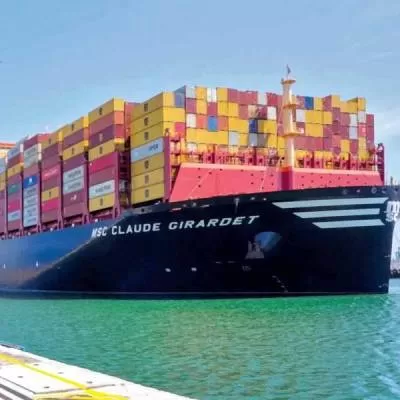
India is the world's No. 2 importer of LPG and meets about 60 per cent of its needs with overseas purchases; it shipped about 22 million (mn) metric tonnes (t) in 2025, mostly from the Middle East, placing strain on supply chains and the public purse. The disruption exposed vulnerabilities in an import-dependent system and prompted measures to manage supply and demand. Analysts at a credit rating agency estimate imports could decline by about 10 per cent to 15 per cent by 2030 as network expansion takes effect.

Shifting consumers to piped natural gas, sold closer to market rates, is expected to cut the subsidy burden and improve supply efficiency. Retailers sell LPG to commercial users at market prices while household cooking fuel is subsidised and about 56 per cent cheaper, which has weighed on public finances; a recent limited compensation to retailers imposed multi-billion costs on the accounts. Suppliers including major local companies have offered incentives such as reduced installation charges to speed connections.

India has 333.7 mn household LPG customers including 106 mn low-income families receiving subsidised gas, and local suppliers connected about two mn to two point five mn consumers annually, taking the total to 16.3 mn at the end of December. Officials expect policy changes to lift the pace to about 7.5 mn connections a year and the national total to between 35 mn and 40 mn by 2030, which would materially cut LPG imports. The shift is framed as a way to improve convenience and safety for households while containing fiscal pressures.

India is using a cooking gas crisis triggered by the Middle East conflict to plug leaks in its distribution chain and accelerate a shift to piped gas to reduce liquefied petroleum gas (LPG) imports and ease subsidy pressures. The government has invoked emergency powers to ensure limited LPG supplies are directed to households and will halt supplies after three months for customers linked to piped connections. In March the government added 580,000 households to the piped network compared with 342,300 a year earlier. India is the world's No. 2 importer of LPG and meets about 60 per cent of its needs with overseas purchases; it shipped about 22 million (mn) metric tonnes (t) in 2025, mostly from the Middle East, placing strain on supply chains and the public purse. The disruption exposed vulnerabilities in an import-dependent system and prompted measures to manage supply and demand. Analysts at a credit rating agency estimate imports could decline by about 10 per cent to 15 per cent by 2030 as network expansion takes effect. Shifting consumers to piped natural gas, sold closer to market rates, is expected to cut the subsidy burden and improve supply efficiency. Retailers sell LPG to commercial users at market prices while household cooking fuel is subsidised and about 56 per cent cheaper, which has weighed on public finances; a recent limited compensation to retailers imposed multi-billion costs on the accounts. Suppliers including major local companies have offered incentives such as reduced installation charges to speed connections. India has 333.7 mn household LPG customers including 106 mn low-income families receiving subsidised gas, and local suppliers connected about two mn to two point five mn consumers annually, taking the total to 16.3 mn at the end of December. Officials expect policy changes to lift the pace to about 7.5 mn connections a year and the national total to between 35 mn and 40 mn by 2030, which would materially cut LPG imports. The shift is framed as a way to improve convenience and safety for households while containing fiscal pressures.

Next Story
Infrastructure Transport

Large Format Store Planned At M G Road Metro Station

M G Road station in Bengaluru is set to host the city’s first large-format commercial and experience space, with planning led by Bangalore Metro Rail Corporation Limited. BMRCL has invited proposals to develop and operate a central business district destination at the Purple?Pink Line interchange. The plan positions the station as a commercial hub designed to serve a broad commuter base across the city. The proposal is part of a broader effort to activate transit nodes commercially. Tender documents set a minimum monthly rental of Rs 0.944 million (mn), inclusive of GST, for the large-format..

Next Story
Infrastructure Energy

Government Cancels Auction Of Eleven Critical Mineral Blocks

The government has cancelled the auction of 11 critical and strategic mineral blocks after receiving a poor investor response and failing to attract a sufficient number of qualified bidders. The decision represents a setback to plans to ramp up domestic exploration and production of critical minerals amid global supply chain disruptions and rising demand for materials used in clean energy and advanced technologies. The mines ministry issued an annulment notice setting out the reasons for the cancellations. The annulment notice indicated that the auction process for five mineral blocks was canc..

Next Story
Infrastructure Energy

Gujarat Pushes Biogas Growth With 193 Operational Units

Gujarat has operationalised 193 biogas plants across the state and is planning to add 60 more units as part of a broader push to scale up clean and sustainable energy solutions. The existing plants, established under various government-supported schemes, process organic waste including cattle dung and agricultural residue to produce biogas and a nutrient-rich slurry. The output is mainly used for cooking and other energy needs in rural and semi-urban communities, while also improving local waste management practices. The Gujarat Energy Development Agency (GEDA) is leading the initiative and is..

Advertisement

Subscribe to Our Newsletter

Get daily newsletters around different themes from Construction world.

STAY CONNECTED

Advertisement

Advertisement

Advertisement