



+
Petrol And Diesel Sales Soar As Monsoon Weakens
OIL & GAS

Petrol And Diesel Sales Soar As Monsoon Weakens

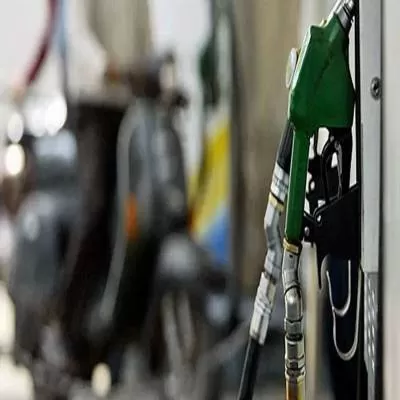
Petrol and diesel sales have surged across the country as a weak monsoon reduced rainfall and raised demand for irrigation and transportation fuel, industry bodies reported. Dealers noted higher volumes at retail outlets and bulk supplies to agricultural regions increased to meet pump set requirements. The trend has altered seasonal demand patterns that traditionally rely on monsoon rainfall to cut fuel use for irrigation. Retailers attributed the change to consumer behaviour and logistical adjustments along distribution routes.

Household cooking fuel consumption patterns shifted as more urban consumers moved from liquefied petroleum gas cylinders to piped natural gas connections, according to distributors. Cylinder refills recorded declines in many cities while piped gas connections penetrated new localities, offering convenience and stable supply. The transition has impacted distribution logistics and inventory management for cylinder suppliers. The move to piped supply has changed refill cycles and reduced cylinder handling at urban depots.

Oil marketing companies and refiners adjusted supplies and logistics to cope with the higher road and farm fuel throughput, supply chain operators said, and retail networks extended supplies to hot spots. Forecourt activity rose in both metropolitan and rural markets, prompting higher deliveries and temporary stock reallocations. Traders also revised transport scheduling to maintain steady supplies to inland depots. Supply planners reviewed depot stock levels and transport links to address hotspots and maintain service continuity.

Economists and sector analysts indicated the shift will have implications for fuel subsidy outlays and import bills, and noted that close monitoring of seasonal demand remains essential for policy calibration. Retail margins and dealer profitability have been affected by the altered mix of fuels and increased volumes at outlets in affected regions. Authorities and industry participants are coordinating to ensure uninterrupted supply as monsoon patterns continue to influence demand dynamics. Market observers highlighted the need for adaptive logistics while monitoring household energy transitions alongside agricultural demand.

Petrol and diesel sales have surged across the country as a weak monsoon reduced rainfall and raised demand for irrigation and transportation fuel, industry bodies reported. Dealers noted higher volumes at retail outlets and bulk supplies to agricultural regions increased to meet pump set requirements. The trend has altered seasonal demand patterns that traditionally rely on monsoon rainfall to cut fuel use for irrigation. Retailers attributed the change to consumer behaviour and logistical adjustments along distribution routes. Household cooking fuel consumption patterns shifted as more urban consumers moved from liquefied petroleum gas cylinders to piped natural gas connections, according to distributors. Cylinder refills recorded declines in many cities while piped gas connections penetrated new localities, offering convenience and stable supply. The transition has impacted distribution logistics and inventory management for cylinder suppliers. The move to piped supply has changed refill cycles and reduced cylinder handling at urban depots. Oil marketing companies and refiners adjusted supplies and logistics to cope with the higher road and farm fuel throughput, supply chain operators said, and retail networks extended supplies to hot spots. Forecourt activity rose in both metropolitan and rural markets, prompting higher deliveries and temporary stock reallocations. Traders also revised transport scheduling to maintain steady supplies to inland depots. Supply planners reviewed depot stock levels and transport links to address hotspots and maintain service continuity. Economists and sector analysts indicated the shift will have implications for fuel subsidy outlays and import bills, and noted that close monitoring of seasonal demand remains essential for policy calibration. Retail margins and dealer profitability have been affected by the altered mix of fuels and increased volumes at outlets in affected regions. Authorities and industry participants are coordinating to ensure uninterrupted supply as monsoon patterns continue to influence demand dynamics. Market observers highlighted the need for adaptive logistics while monitoring household energy transitions alongside agricultural demand.

Related Stories

Gold Stories

Next Story
Real Estate

BMC OC Amnesty Scheme Requires Key Approvals from Mumbai Societies

The Brihanmumbai Municipal Corporation (BMC) has clarified that housing societies applying under its Occupation Certificate (OC) amnesty scheme must possess key approvals linked to the original construction. The requirements include a valid Intimation of Disapproval (IOD), an approved building plan and a Commencement Certificate (CC), along with a No Objection Certificate (NOC) from the developer or original construction applicant. The Standard Operating Procedure (SOP) makes clear that the absence of an OC alone will not qualify a building for relief. Societies must establish that their build..

Next Story
Real Estate

Gurugram Emerges as Luxury Senior Living Hub

Gurugram is emerging as a potential hub for luxury senior living, supported by available land, healthcare infrastructure, connectivity and a concentration of affluent professionals, high-net-worth individuals and non-resident Indians. These factors could give the city an advantage over land-constrained metros such as Mumbai. A report by the Association of Senior Living India (ASLI) and JLL estimates that India’s organised senior living market could represent a $10.1 bn opportunity by 2030. The sector had about 25,050 organised units as of June 2026, while penetration stood at only 1.5 per ce..

Next Story
Real Estate

Corrosion Costs India’s Infrastructure Rs. 142 bn Annually

Corrosion costs India an estimated Rs. 1.42 tn annually, equivalent to 4.3 per cent of gross domestic product, according to a report by the Confederation of Indian Industry and the National Research Institute. Infrastructure accounts for Rs. 142 bn of the annual burden, making it the sector with the largest absolute cost among those examined. The report, presented at the CII Annual Infrastructure Summit 2026, said the infrastructure-sector cost equals about 2.9 per cent of the sector’s gross domestic product. It estimated that effective measures could generate maximum savings of Rs. 495.8 bn..

Advertisement

Subscribe to Our Newsletter

Get daily newsletters around different themes from Construction world.

STAY CONNECTED

Advertisement

SPECIAL OFFER
QR Code













