Rajasthan energy department to exit five PPAs signed with NTPC
POWER & RENEWABLE ENERGY

Rajasthan energy department to exit five PPAs signed with NTPC

The energy department has decided to exit five expensive power purchase agreements (PPAs) worth 252 megawatts with National Thermal Power Corporation(NTPC) as an effort to lower the high cost of power.

The energy ministry has approved a decision to terminate PPAs signed in 1994 at a rate of Rs 15 per unit for the Anta Gas plant and Rs 10 for the Auraiya Gas plant.

The government expects to save Rs 200 crore per year as a result of this decision.

The decision to exit unsustainable PPAs comes after the Centre allowed distribution companies to terminate agreements with plants that have outlived their useful lives and are running on outdated, inefficient technology, resulting in higher production costs, in March.

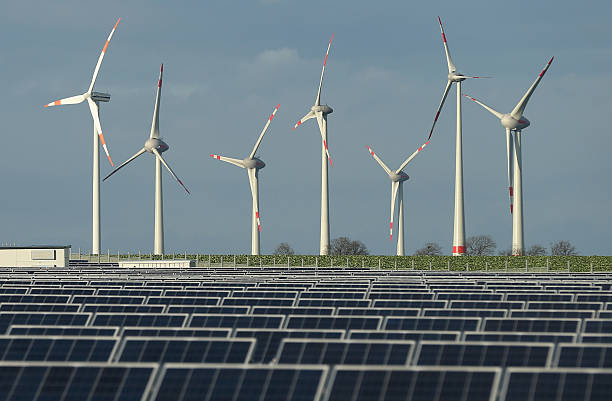
With renewable energy sources providing power for less than Rs 2.50 per unit, the department is attempting to release as much high-cost thermal capacity as possible to reduce costs and provide lower-cost power to consumers.

Rajasthan Vidyut Utpadan Nigam Ltd (RUVNL) recently submitted a proposal to retire two Kota Super Thermal Power Ltd units, each producing 110 units.

These plants were built in 1984 using outdated technology and design. The cost of generation is much higher when compared to not only solar power but also new thermal projects.

Image Source


Also read: Acme Solar withdraws petition to cancel PPAs signed for Rajasthan projects

Also read: Kerala Commission approves PPA for KSEB-Tata Power solar project

The energy department has decided to exit five expensive power purchase agreements (PPAs) worth 252 megawatts with National Thermal Power Corporation(NTPC) as an effort to lower the high cost of power. The energy ministry has approved a decision to terminate PPAs signed in 1994 at a rate of Rs 15 per unit for the Anta Gas plant and Rs 10 for the Auraiya Gas plant. The government expects to save Rs 200 crore per year as a result of this decision. The decision to exit unsustainable PPAs comes after the Centre allowed distribution companies to terminate agreements with plants that have outlived their useful lives and are running on outdated, inefficient technology, resulting in higher production costs, in March. With renewable energy sources providing power for less than Rs 2.50 per unit, the department is attempting to release as much high-cost thermal capacity as possible to reduce costs and provide lower-cost power to consumers. Rajasthan Vidyut Utpadan Nigam Ltd (RUVNL) recently submitted a proposal to retire two Kota Super Thermal Power Ltd units, each producing 110 units. These plants were built in 1984 using outdated technology and design. The cost of generation is much higher when compared to not only solar power but also new thermal projects. Image Source Also read: Acme Solar withdraws petition to cancel PPAs signed for Rajasthan projects Also read: Kerala Commission approves PPA for KSEB-Tata Power solar project

Next Story
Infrastructure Urban

UniAcoustic, Vicoustic Form UniVicoustic Alliance

UniAcoustic, part of United Group, has acquired a strategic stake in Portugal-based Vicoustic, forming a new alliance branded as UniVicoustic. The agreement, signed in Mumbai, marks a significant cross-border partnership aligned with evolving India–EU trade dynamics.The collaboration brings together Vicoustic’s global expertise in architectural acoustic products with UniAcoustic’s manufacturing scale and distribution capabilities. The combined platform aims to expand market reach, integrate technology and optimise supply chains across key regions.The development comes amid progress in th..

Next Story
Infrastructure Urban

Dalmia Bharat, Delhi PWD Revamp Under-Flyover Spaces

Dalmia Bharat has partnered with the Public Works Department (PWD), Government of Delhi, to redevelop select under-flyover spaces and a road stretch into sustainable urban hubs. The agreement covers key locations including Lodhi Flyover, Oberoi Flyover, Mangi Bridge and Hanuman Setu.Under the initiative, the company will undertake design, landscaping, plantation and long-term maintenance of the sites, with a defined upkeep period of three years after completion. The project aims to improve urban aesthetics while promoting environmental sustainability and biodiversity restoration in high-densit..

Next Story
Infrastructure Urban

Versigent Debuts as Independent NYSE-Listed Company

Versigent has launched as an independent publicly traded company following its separation from Aptiv, with shares commencing trading on the New York Stock Exchange under the ticker “VGNT”. The move marks a significant milestone in the company’s transition into a standalone global player in power distribution systems.The company specialises in the design, manufacturing and delivery of low- and high-voltage electrical architectures, supported by engineering centres across four continents and manufacturing operations in over 25 countries.Versigent reported revenues of $8.8 billion, net inco..

Advertisement

Subscribe to Our Newsletter

Get daily newsletters around different themes from Construction world.

STAY CONNECTED

Advertisement

Advertisement

Advertisement