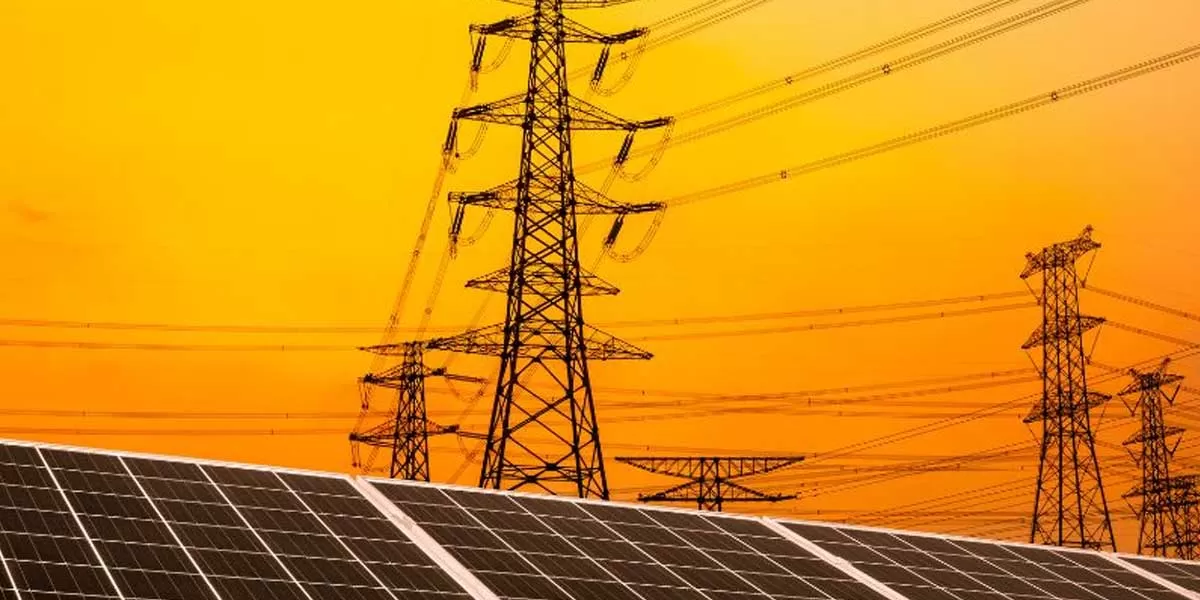
30-40 GW Open Access Green Energy in 4-5 Years
POWER & RENEWABLE ENERGY

30-40 GW Open Access Green Energy in 4-5 Years

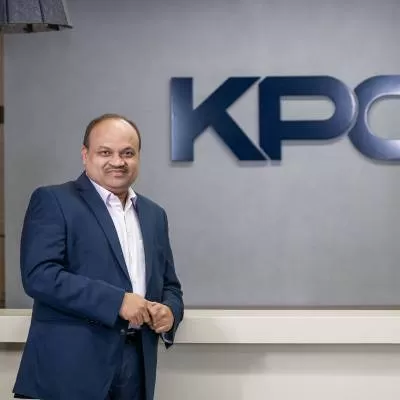
In a recent interview, plans were unveiled for a significant expansion in open access green energy, targeting 30 to 40 gigawatts (GW) within the next 4-5 years. The insights shared in the interview shed light on the ambitious goals to enhance the accessibility and utilisation of renewable energy in the Indian power sector.

The proposed surge in open access green energy is aligned with India's broader objectives of increasing the share of renewables in the energy mix and promoting sustainable power generation. The interview highlights the commitment to facilitating large-scale adoption of green energy solutions and creating a conducive environment for consumers to access and benefit from renewable power sources.

The anticipated 30-40 GW capacity within the open access framework signifies a significant leap in the integration of renewable energy into the grid. This expansion is expected to provide industries and commercial consumers with increased flexibility and options in sourcing clean and sustainable power.

The interview reflects the government's strategic approach to transforming the energy landscape, emphasizing the pivotal role of open access mechanisms in fostering a more dynamic and eco-friendly power sector. The forthcoming years are poised to witness substantial growth in open access green energy, contributing to India's journey towards a low-carbon and sustainable energy future.

In a recent interview, plans were unveiled for a significant expansion in open access green energy, targeting 30 to 40 gigawatts (GW) within the next 4-5 years. The insights shared in the interview shed light on the ambitious goals to enhance the accessibility and utilisation of renewable energy in the Indian power sector. The proposed surge in open access green energy is aligned with India's broader objectives of increasing the share of renewables in the energy mix and promoting sustainable power generation. The interview highlights the commitment to facilitating large-scale adoption of green energy solutions and creating a conducive environment for consumers to access and benefit from renewable power sources. The anticipated 30-40 GW capacity within the open access framework signifies a significant leap in the integration of renewable energy into the grid. This expansion is expected to provide industries and commercial consumers with increased flexibility and options in sourcing clean and sustainable power. The interview reflects the government's strategic approach to transforming the energy landscape, emphasizing the pivotal role of open access mechanisms in fostering a more dynamic and eco-friendly power sector. The forthcoming years are poised to witness substantial growth in open access green energy, contributing to India's journey towards a low-carbon and sustainable energy future.

Next Story
Infrastructure Urban

Implementation Status of Jal Jeevan Mission

Since August 2019 the Government has implemented Jal Jeevan Mission to provide assured potable water through household tap connections in rural India. At the start of the mission only 32.3 million (mn) rural households, representing 16.7 per cent, were reported to have tap water connections. States and union territories have reported that 125.8 mn additional rural households have since been provided with tap connections. As a result, of about 193.6 mn rural households roughly 158.2 mn, or 81.71 per cent, are reported to have tap water supply at home.\n\nThe State, district and village level st..

Next Story
Infrastructure Urban

Jal Jeevan Mission Reaches Eighty One Per Cent Rural Coverage

The Government reported substantial progress under the Jal Jeevan Mission, launched in August 2019 to provide tap water to every rural household. At launch only 32.3 million (mn) rural households had tap connections and states and Union territories reported provision of 125.8 mn additional households by March 2026. Consequently, out of about 193.6 mn rural households around 158.2 mn, or 81.71 per cent, are reported to have tap water at home. The Finance Minister announced extension of the mission until 2028 in the 2025-26 budget speech. The Swachh Bharat Mission Grameen, launched in October 20..

Next Story
Infrastructure Urban

Empowering Local Governance for Sustainable Rural Water Supply

The Ministry of Jal Shakti has aligned the Jal Jeevan Mission (JJM) with the 73rd Amendment to strengthen village level planning and community ownership of water supply. Gram Panchayats, village water and sanitation committees and Pani Samitis are to plan, implement, manage and maintain piped water systems, with gram sabha processes formalising handover and oversight. Implementation support agencies including non government organisations, community based organisations and self help groups have been empanelled to train local committees and promote women participation. Under JJM, the department ..

Advertisement

Subscribe to Our Newsletter

Get daily newsletters around different themes from Construction world.

STAY CONNECTED

Advertisement

Advertisement

Advertisement