Adani Eyes AI Data Centres And Nuclear Power
POWER & RENEWABLE ENERGY

Adani Eyes AI Data Centres And Nuclear Power

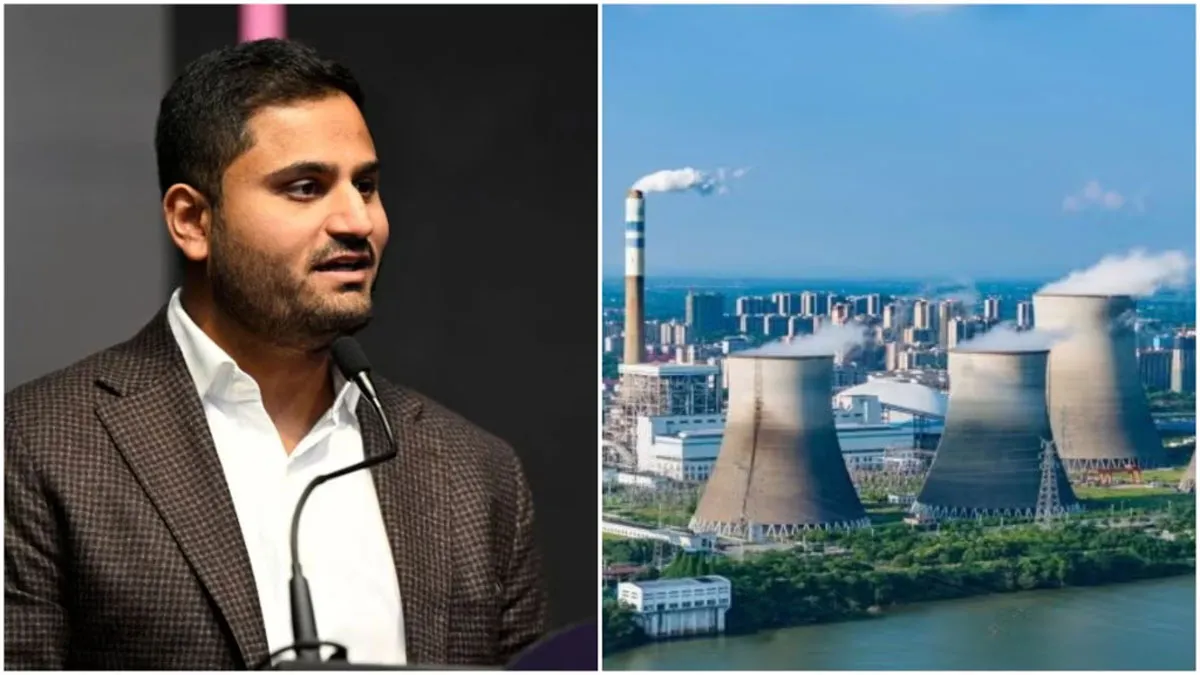
The Adani Group is planning an aggressive expansion of artificial intelligence data centres and the energy infrastructure required to support them, including the possible development of nuclear power plants, according to comments by Jeet Adani to Nikkei Asia.

Jeet Adani, the youngest son of billionaire Gautam Adani, said data centres have emerged as a major growth engine for the group, with current expansion already exceeding targets earlier set for 2030. Demand for AI-led infrastructure continues to rise rapidly, he noted, adding that India is well positioned to host global AI data centres due to lower costs and recent changes in energy regulations that give the country a “natural advantage”.

The Adani Group, which is developing digital infrastructure in India for global technology companies such as Google, sees itself as a significant future player in the nuclear energy sector. Jeet Adani’s remarks follow Parliament’s passage of a new law last week that allows private companies to enter India’s tightly regulated nuclear power sector. Jeet oversees the group’s digital businesses and airports.

Speaking ahead of the launch of the Navi Mumbai International Airport, Jeet Adani said the group plans to invest around Rs 1 trillion over the next five years to build new airports and modernise existing facilities.

As part of its broader infrastructure push, the Adani Group will invest up to $5 billion to develop artificial intelligence data centre projects for Google in India. This follows Google’s announcement in October that it would invest $15 billion over the next five years to set up AI data centres across the country.

The group aims to eventually develop AI data centres with capacities exceeding 1 gigawatt across multiple locations, including Vizag, Navi Mumbai, Noida and Hyderabad. Adani clarified that the group will focus solely on building and managing physical infrastructure and related facilities, and does not intend to enter the cloud services business. Technology companies such as Google will supply and operate their own computing equipment.

Power requirements for these data centres will be met largely through the group’s renewable energy portfolio. Jeet Adani said Adani Green Energy, the group’s clean energy arm, already leads India in solar and wind power capacity, enabling it to supply large volumes of green electricity. He added that the group can scale energy infrastructure quickly and in phases, in line with demand from global technology firms.

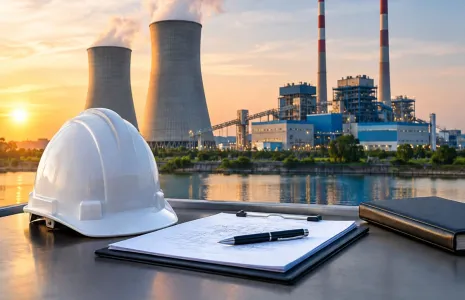
At the same time, the group is evaluating nuclear power as a long-term energy solution, depending on the electricity requirements of future data centres. Jeet Adani said nuclear energy had been overlooked for years despite its potential to meet sustained base-load demand. Under the proposed model, the Adani Group would own and operate the power plants, while specialised partners would handle reactor construction.

The renewed focus on nuclear power comes after Parliament passed the SHANTI Bill, which replaces existing atomic energy laws and opens the sector further to private participation. The government aims to increase India’s nuclear power capacity from the current 8 gigawatts to 100 gigawatts by 2047. At present, nuclear energy accounts for just 3 per cent of India’s total electricity generation.

Jeet Adani said that, with the right policy support, India could attract hyperscalers to build 10 gigawatts of data centre capacity over the next five years. He added that renewable power demand from data centres alone could reach 50 gigawatts.

The Adani Group is planning an aggressive expansion of artificial intelligence data centres and the energy infrastructure required to support them, including the possible development of nuclear power plants, according to comments by Jeet Adani to Nikkei Asia. Jeet Adani, the youngest son of billionaire Gautam Adani, said data centres have emerged as a major growth engine for the group, with current expansion already exceeding targets earlier set for 2030. Demand for AI-led infrastructure continues to rise rapidly, he noted, adding that India is well positioned to host global AI data centres due to lower costs and recent changes in energy regulations that give the country a “natural advantage”. The Adani Group, which is developing digital infrastructure in India for global technology companies such as Google, sees itself as a significant future player in the nuclear energy sector. Jeet Adani’s remarks follow Parliament’s passage of a new law last week that allows private companies to enter India’s tightly regulated nuclear power sector. Jeet oversees the group’s digital businesses and airports. Speaking ahead of the launch of the Navi Mumbai International Airport, Jeet Adani said the group plans to invest around Rs 1 trillion over the next five years to build new airports and modernise existing facilities. As part of its broader infrastructure push, the Adani Group will invest up to $5 billion to develop artificial intelligence data centre projects for Google in India. This follows Google’s announcement in October that it would invest $15 billion over the next five years to set up AI data centres across the country. The group aims to eventually develop AI data centres with capacities exceeding 1 gigawatt across multiple locations, including Vizag, Navi Mumbai, Noida and Hyderabad. Adani clarified that the group will focus solely on building and managing physical infrastructure and related facilities, and does not intend to enter the cloud services business. Technology companies such as Google will supply and operate their own computing equipment. Power requirements for these data centres will be met largely through the group’s renewable energy portfolio. Jeet Adani said Adani Green Energy, the group’s clean energy arm, already leads India in solar and wind power capacity, enabling it to supply large volumes of green electricity. He added that the group can scale energy infrastructure quickly and in phases, in line with demand from global technology firms. At the same time, the group is evaluating nuclear power as a long-term energy solution, depending on the electricity requirements of future data centres. Jeet Adani said nuclear energy had been overlooked for years despite its potential to meet sustained base-load demand. Under the proposed model, the Adani Group would own and operate the power plants, while specialised partners would handle reactor construction. The renewed focus on nuclear power comes after Parliament passed the SHANTI Bill, which replaces existing atomic energy laws and opens the sector further to private participation. The government aims to increase India’s nuclear power capacity from the current 8 gigawatts to 100 gigawatts by 2047. At present, nuclear energy accounts for just 3 per cent of India’s total electricity generation. Jeet Adani said that, with the right policy support, India could attract hyperscalers to build 10 gigawatts of data centre capacity over the next five years. He added that renewable power demand from data centres alone could reach 50 gigawatts.

Next Story
Real Estate

Six Flags Qiddiya City Opens as Saudi Arabia’s First Six Flags Park

AtkinsRéalis, in partnership with Qiddiya Investment Company, has delivered Six Flags Qiddiya City, marking the opening of Saudi Arabia’s first Six Flags theme park and the first Six Flags destination built entirely outside North America. The park is the first of 70 major assets planned within Qiddiya City and represents a key milestone in the Kingdom’s Vision 2030 strategy to develop globally competitive leisure and tourism destinations.The opening ceremony, held under the patronage of HRH Prince Faisal bin Bandar bin Abdulaziz, Governor of Riyadh Province, marks the first major attracti..

Next Story
Infrastructure Urban

German Chancellor Visits Bosch India Campus in Bengaluru

Strengthening the long-standing partnership between India and Germany, Friedrich Merz, Federal Chancellor of the Federal Republic of Germany, recently visited the Bosch campus at Adugodi, Bengaluru, during his India trip. The delegation was hosted by Guruprasad Mudlapur, President of the Bosch Group in India and Managing Director, Bosch Limited, who showcased key innovations developed in the region.During the visit, the delegation experienced Bosch’s H2ICE demonstrator truck featuring a fully integrated powertrain and telematics system. Bosch India, in collaboration with Bosch Germany, is ad..

Next Story
Infrastructure Urban

ICC, Maharashtra Sign MoU to Boost Industry Engagement

The Indian Chamber of Commerce (ICC) and the Government of Maharashtra recently signed a Memorandum of Understanding (MoU) to enhance cooperation and deepen engagement between Indian businesses and the State, with a focus on investment facilitation, ease of doing business and sustained industry–government dialogue.The MoU was signed by Dr P Anbalagan, IAS, Principal Secretary (Industry, Investment and Services), Government of Maharashtra, and Dr Rajeev Singh, Director General, ICC, in the presence of leading business representatives.Speaking on the occasion, Dr Anbalagan said the partnership..

Advertisement

Subscribe to Our Newsletter

Get daily newsletters around different themes from Construction world.

STAY CONNECTED

Advertisement

Advertisement

Advertisement

Advertisement

Open In App