+
Adani Green Lifts Capacity to 17.24 GW at Khavda
POWER & RENEWABLE ENERGY

Adani Green Lifts Capacity to 17.24 GW at Khavda

Adani Green Energy Ltd (AGEL) has increased its total renewable energy capacity to 17,237.2 megawatts following the commissioning of 307.4 MW of new capacity at its Khavda renewable energy complex in Gujarat, the company said in a regulatory filing on Wednesday. The newly added capacity is scheduled to begin commercial operations on 1 January 2026, highlighting the pace of development at one of the world’s largest green energy projects.

The latest commissioning includes a combination of solar, wind and wind–solar hybrid assets developed through AGEL’s step-down subsidiaries. The additions form part of a wider expansion drive at Khavda, which is a cornerstone of the company’s strategy to develop a renewable energy park with a targeted capacity of 30,000 MW by 2029.

Khavda has seen rapid scale-up over the past year. As of the September quarter of FY26, around 7.1 GW of solar, wind and hybrid capacity was operational at the site. These additions contributed to AGEL’s overall operational capacity rising from about 15.5 GW in June 2025 to more than 16.4 GW by the end of September.

The expansion aligns with India’s broader objective of increasing non-fossil fuel capacity and reducing carbon emissions. The Gujarat Hybrid Renewable Energy Park, spread across a vast area, is expected to generate 30 GW of renewable power once fully completed and is set to become a key pillar of the country’s clean energy infrastructure.

Beyond Khavda, AGEL continues to expand its national portfolio. The company’s capacity additions have supported higher power supply revenues and stable profit margins, underpinned by long-term power purchase agreements and a geographically diversified asset base.

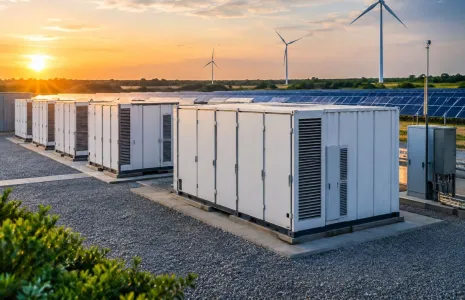
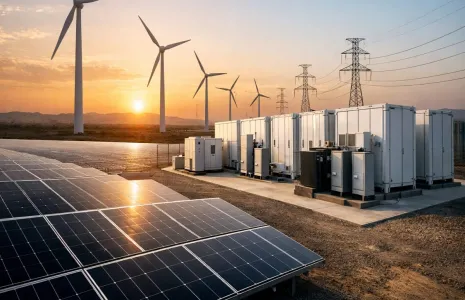
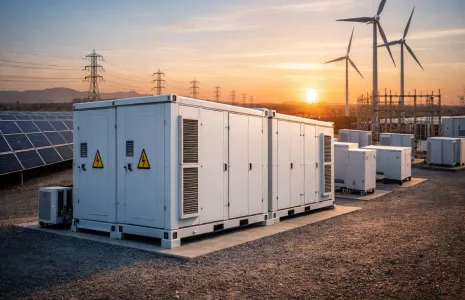
AGEL has also indicated a strategic shift towards energy storage, with plans to develop large-scale battery storage projects at the Khavda complex. These systems are expected to improve grid stability and enable round-the-clock clean power by storing surplus renewable generation.

The company has set a target of achieving 50 GW of operational renewable capacity by 2030, positioning itself as India’s largest pure-play renewable energy generator. Industry observers note that sustained investment and supportive policy frameworks will be critical as India targets a five-fold increase in non-fossil fuel generation by the end of the decade.

Adani Green Energy Ltd (AGEL) has increased its total renewable energy capacity to 17,237.2 megawatts following the commissioning of 307.4 MW of new capacity at its Khavda renewable energy complex in Gujarat, the company said in a regulatory filing on Wednesday. The newly added capacity is scheduled to begin commercial operations on 1 January 2026, highlighting the pace of development at one of the world’s largest green energy projects. The latest commissioning includes a combination of solar, wind and wind–solar hybrid assets developed through AGEL’s step-down subsidiaries. The additions form part of a wider expansion drive at Khavda, which is a cornerstone of the company’s strategy to develop a renewable energy park with a targeted capacity of 30,000 MW by 2029. Khavda has seen rapid scale-up over the past year. As of the September quarter of FY26, around 7.1 GW of solar, wind and hybrid capacity was operational at the site. These additions contributed to AGEL’s overall operational capacity rising from about 15.5 GW in June 2025 to more than 16.4 GW by the end of September. The expansion aligns with India’s broader objective of increasing non-fossil fuel capacity and reducing carbon emissions. The Gujarat Hybrid Renewable Energy Park, spread across a vast area, is expected to generate 30 GW of renewable power once fully completed and is set to become a key pillar of the country’s clean energy infrastructure. Beyond Khavda, AGEL continues to expand its national portfolio. The company’s capacity additions have supported higher power supply revenues and stable profit margins, underpinned by long-term power purchase agreements and a geographically diversified asset base. AGEL has also indicated a strategic shift towards energy storage, with plans to develop large-scale battery storage projects at the Khavda complex. These systems are expected to improve grid stability and enable round-the-clock clean power by storing surplus renewable generation. The company has set a target of achieving 50 GW of operational renewable capacity by 2030, positioning itself as India’s largest pure-play renewable energy generator. Industry observers note that sustained investment and supportive policy frameworks will be critical as India targets a five-fold increase in non-fossil fuel generation by the end of the decade.

Next Story
Infrastructure Transport

Second Mountain Tunnel Breakthrough in Palghar Advances High Speed Rail

The Mumbai-Ahmedabad high speed rail (MAHSR) project reached a milestone with the breakthrough of a mountain tunnel in Palghar, Maharashtra. Mountain tunnel MT-six measures 454 metres long and 14.4 metres wide and will accommodate up and down tracks. The breakthrough follows MT-five near Saphale on second January 2026 and the MT-six excavation was completed from both ends using the New Austrian Tunnelling Method. The ministry reported that the tunnelling was completed within 12 months. The New Austrian Tunnelling Method is favoured for its flexibility in complex geology and irregular tunnel s..

Next Story
Infrastructure Transport

Modi Government Pushes Atmanirbhar Container Drive With BCSL MoU

The Union Government advanced a plan to create an integrated, domestically anchored container ecosystem with the signing of a Memorandum of Understanding to establish the Bharat Container Shipping Line (BCSL). The MoU was signed by key agencies including the Shipping Corporation of India and Container Corporation of India alongside major port authorities and Sagarmala Finance Corporation Limited under the Ministry of Ports, Shipping and Waterways, in the presence of senior ministers. The initiative aligns with the Container Manufacturing Assistance Scheme announced in the Union Budget 2026–2..

Next Story
Infrastructure Urban

Ministry Reports Gains In Mobility For Marginalised Communities

The Ministry of Social Justice and Empowerment is implementing skill development, education and rehabilitation schemes to promote socio-economic mobility and sustainable livelihoods for marginalised and disadvantaged communities across the country. Programmes target Scheduled Castes, Other Backward Classes, Economically Weaker Sections, De-notified Tribes and Safai Karamcharis through specialised implementing corporations and empanelled training institutes. Pradhan Mantri Dakshata Aur Kushalta Sampann Hitgrahi Yojana, or PM-DAKSH, provided skill training and placement support through the Nati..

Advertisement

Subscribe to Our Newsletter

Get daily newsletters around different themes from Construction world.

STAY CONNECTED

Advertisement

Advertisement

Advertisement

Open In App