AI and Data Centres Could Raise India’s Peak Power Demand by 30 GW
POWER & RENEWABLE ENERGY

AI and Data Centres Could Raise India’s Peak Power Demand by 30 GW

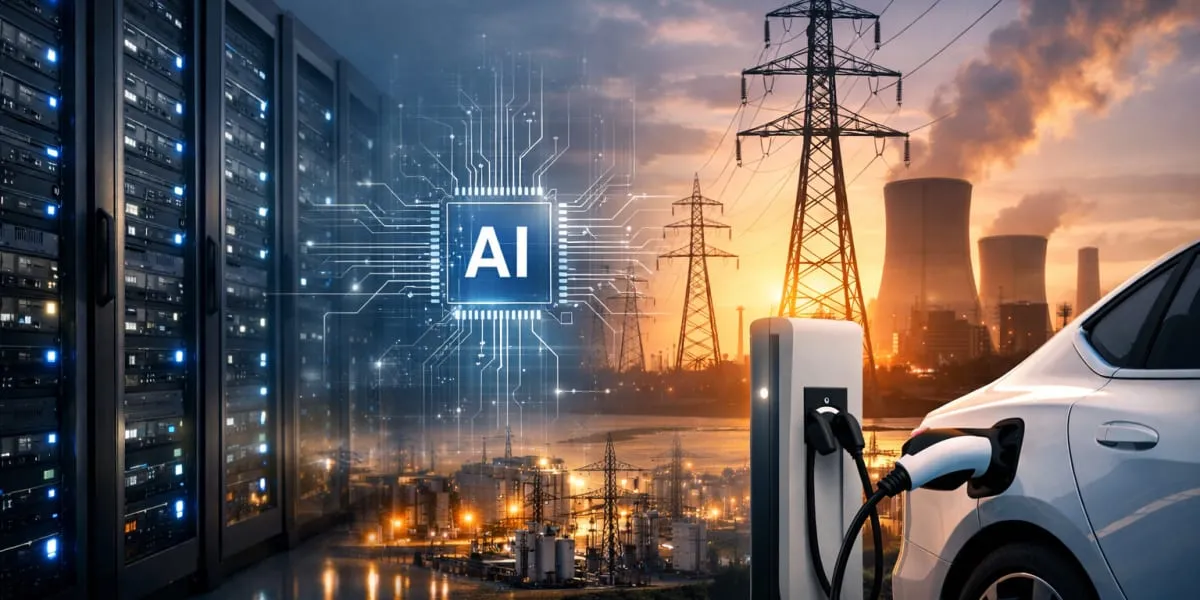
Artificial intelligence (AI), data centres and electric vehicles (EVs) are expected to raise India’s peak power demand by 30 GW over the next five to six years, Union Power Minister Manohar Lal Khattar said at the India Electricity Summit. He noted peak demand was 250 GW in 2024-25 and that the FY26 estimate of 270 GW was not reached owing to weather, while the ministry remained ready to meet 270 GW if required. The minister framed the projection as driven by digitalisation and electrification.

Government projections suggest peak demand could reach 459 GW by FY36, with total energy requirements rising to 3,365 bn units and installed capacity expected to more than double to around 1,121 GW. Of the projected capacity, about 786 GW could be from non-fossil fuel based sources. Integrating such large shares of renewable energy (RE) will require strengthened grid flexibility, storage solutions and market reforms. The narrative frames transition challenges as both technical and regulatory.

Union Minister for New and Renewable Energy Pralhad Joshi said energy transition is central to India’s manufacturing ambitions and that affordable, low-emission power underpins competitiveness. He noted electronic production has expanded sixfold from Rs 1.1 tn to Rs 1.8 tn and warned that the Carbon Border Adjustment Mechanism (CBAM) could affect carbon intensive sectors. He argued that renewable energy and battery energy storage systems (BESS) can lower long-term power costs, while thermal generation will continue to meet baseload needs during integration.

Pankaj Aggarwal, secretary at the Ministry of Power, said installed capacity has more than doubled to 520 GW and that renewable energy has driven much of the growth since 2016. He said the next phase requires stronger regulatory frameworks, market design and pricing mechanisms to manage a renewable-heavy grid and estimated the transition will require an investment of $2.2 tn over 20 years. He added that measures such as time-of-day tariffs, demand response, flexible generation and storage must be advanced as battery technologies mature.

Artificial intelligence (AI), data centres and electric vehicles (EVs) are expected to raise India’s peak power demand by 30 GW over the next five to six years, Union Power Minister Manohar Lal Khattar said at the India Electricity Summit. He noted peak demand was 250 GW in 2024-25 and that the FY26 estimate of 270 GW was not reached owing to weather, while the ministry remained ready to meet 270 GW if required. The minister framed the projection as driven by digitalisation and electrification. Government projections suggest peak demand could reach 459 GW by FY36, with total energy requirements rising to 3,365 bn units and installed capacity expected to more than double to around 1,121 GW. Of the projected capacity, about 786 GW could be from non-fossil fuel based sources. Integrating such large shares of renewable energy (RE) will require strengthened grid flexibility, storage solutions and market reforms. The narrative frames transition challenges as both technical and regulatory. Union Minister for New and Renewable Energy Pralhad Joshi said energy transition is central to India’s manufacturing ambitions and that affordable, low-emission power underpins competitiveness. He noted electronic production has expanded sixfold from Rs 1.1 tn to Rs 1.8 tn and warned that the Carbon Border Adjustment Mechanism (CBAM) could affect carbon intensive sectors. He argued that renewable energy and battery energy storage systems (BESS) can lower long-term power costs, while thermal generation will continue to meet baseload needs during integration. Pankaj Aggarwal, secretary at the Ministry of Power, said installed capacity has more than doubled to 520 GW and that renewable energy has driven much of the growth since 2016. He said the next phase requires stronger regulatory frameworks, market design and pricing mechanisms to manage a renewable-heavy grid and estimated the transition will require an investment of $2.2 tn over 20 years. He added that measures such as time-of-day tariffs, demand response, flexible generation and storage must be advanced as battery technologies mature.

Next Story
Infrastructure Urban

Flender Unveils N-ZAPEX Gear Couplings for Cost-Effective Operation

Flender has unveiled its new N-ZAPEX gear couplings, setting a new industry standard for drive applications in harsh conditions, such as those found in steel, cement, mining, and oil & gas industries. Designed to deliver economic benefits over the entire lifecycle, the N-ZAPEX series offers the highest torque density and misalignment capacities on the market.The N-ZAPEX is available in two versions, XN and XW, each tailored to meet different customer requirements. The XN variant focuses on standardisation, reduced complexity, and cost-effectiveness for smaller sizes, featuring reusable com..

Next Story
Infrastructure Urban

Anil Agarwal Calls for Entrepreneurial Role in Natural Resource PSUs

Anil Agarwal, Chairman of Vedanta, has highlighted the transformative potential of greater entrepreneurial involvement in India's public sector companies within the natural resources space. In a LinkedIn post, he emphasised the importance of empowering India’s pool of entrepreneurs alongside skilled public-sector talent to strengthen domestic production and reduce the country’s reliance on imports.Agarwal drew comparisons with India’s agricultural success, where self-sufficiency and surplus production were achieved. He suggested that a similar approach could unlock substantial value in p..

Next Story
Technology

Advaiya Launches Change Log Archival App for Microsoft Dynamics 365

Advaiya has launched its Change Log Archival app for Microsoft Dynamics 365 Business Central on the Microsoft Marketplace. The app enables organisations to securely archive large volumes of change log data outside the core ERP system while ensuring auditability, compliance, and traceability.As organisations face growing change log records that increase database size and impact system performance, the Change Log Archival app addresses these challenges by archiving historical logs to Azure Blob Storage. This solution optimises storage, maintains data integrity, and ensures accessibility, allowin..

Advertisement

Subscribe to Our Newsletter

Get daily newsletters around different themes from Construction world.

STAY CONNECTED

Advertisement

Advertisement

Advertisement