+
Andhra Pradesh Emerges as Clean Energy Technology Hub
POWER & RENEWABLE ENERGY

Andhra Pradesh Emerges as Clean Energy Technology Hub

The 25th CII Energy Efficiency Summit 2026 has called for closer collaboration among governments, industry and technology institutions to speed up the adoption of cleaner and energy-efficient technologies. Held in Hyderabad, the summit identified Andhra Pradesh as an important destination for advanced industrial technologies and sustainable manufacturing practices among micro, small and medium enterprises (MSMEs).

The gathering brought together policymakers, industry leaders, technology providers and energy-efficiency experts. Discussions focused on the wider deployment of advanced technologies and efficient operating practices as an important element of India’s transition towards a net-zero economy, while highlighting the need for coordinated action on climate-related pressures.

The summit also pointed to recurring El Niño-related weather disruptions, rising temperatures, heatwaves, floods and severe droughts as challenges requiring an integrated response. The concerns place greater emphasis on production systems that use energy and water more efficiently while maintaining industrial output and improving resilience to disruption.

The initiative has particular significance for Andhra Pradesh because of the scale and diversity of its MSME ecosystem. It is expected to help participating enterprises reduce operational and maintenance costs, raise productivity and competitiveness, create employment, optimise water and energy use, lower greenhouse-gas emissions and strengthen their ability to respond to climate risks.

For the state, linking industrial expansion with cleaner production offers a route to pursue economic activity while addressing resource constraints and environmental pressures. The summit’s call for collaboration places public authorities, businesses and technology institutions in a shared role, with energy efficiency positioned as a practical component of manufacturing improvement rather than a separate objective. Wider adoption across MSMEs would connect cost control, productivity, employment and emissions reduction within the same programme, reinforcing the sector’s contribution to a more climate-resilient industrial economy.

The 25th CII Energy Efficiency Summit 2026 has called for closer collaboration among governments, industry and technology institutions to speed up the adoption of cleaner and energy-efficient technologies. Held in Hyderabad, the summit identified Andhra Pradesh as an important destination for advanced industrial technologies and sustainable manufacturing practices among micro, small and medium enterprises (MSMEs). The gathering brought together policymakers, industry leaders, technology providers and energy-efficiency experts. Discussions focused on the wider deployment of advanced technologies and efficient operating practices as an important element of India’s transition towards a net-zero economy, while highlighting the need for coordinated action on climate-related pressures. The summit also pointed to recurring El Niño-related weather disruptions, rising temperatures, heatwaves, floods and severe droughts as challenges requiring an integrated response. The concerns place greater emphasis on production systems that use energy and water more efficiently while maintaining industrial output and improving resilience to disruption. The initiative has particular significance for Andhra Pradesh because of the scale and diversity of its MSME ecosystem. It is expected to help participating enterprises reduce operational and maintenance costs, raise productivity and competitiveness, create employment, optimise water and energy use, lower greenhouse-gas emissions and strengthen their ability to respond to climate risks. For the state, linking industrial expansion with cleaner production offers a route to pursue economic activity while addressing resource constraints and environmental pressures. The summit’s call for collaboration places public authorities, businesses and technology institutions in a shared role, with energy efficiency positioned as a practical component of manufacturing improvement rather than a separate objective. Wider adoption across MSMEs would connect cost control, productivity, employment and emissions reduction within the same programme, reinforcing the sector’s contribution to a more climate-resilient industrial economy.

Related Stories

Gold Stories

Next Story
Resources

NCC Founder and Padma Shri Awardee AVS Raju Passes Away at 89

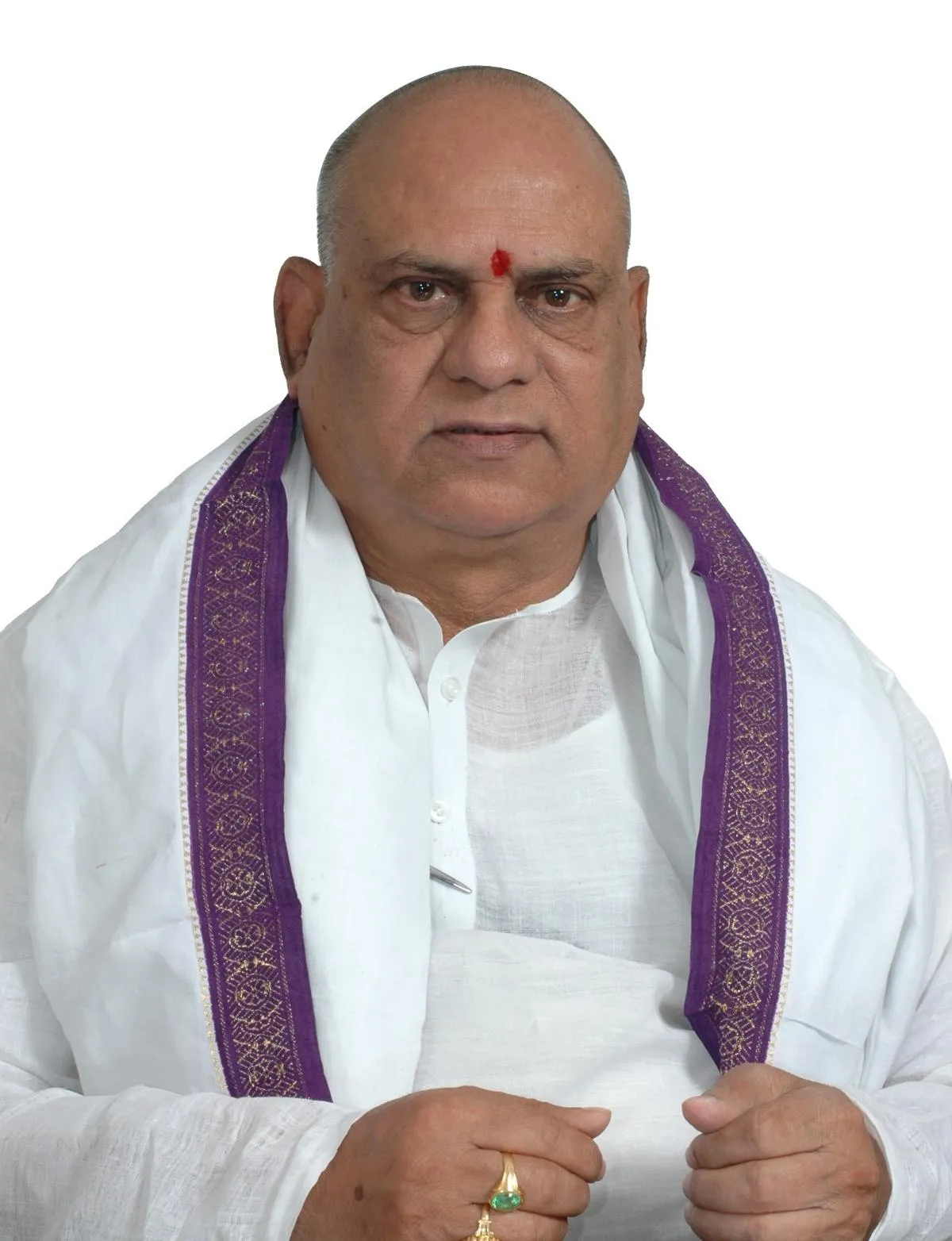
Dr Alluri Venkata Satyanarayana Raju, founder and Chairman Emeritus of NCC Limited and a Padma Shri awardee, passed away in Hyderabad on 13 October 2026. He was 89.Born on 18 April 1937 in Antarvedipalem village in Andhra Pradesh's erstwhile East Godavari district, Raju began his entrepreneurial journey in 1956. He established Nagarjuna Construction Company (NCC) Limited in 1978, which subsequently emerged as one of India's leading construction and infrastructure companies.Under his leadership, NCC became a public limited company in 1990 and expanded into one of India's prominent listed constr..

Next Story
Infrastructure Transport

Embraer to Acquire 51 Per Cent Stake in Mahindra Aerospace Arm

Brazilian aerospace major Embraer will acquire a 51 per cent equity stake in Novavayu Aerospace, a step-down subsidiary of Mahindra and Mahindra, under an Investment Agreement notified by the automobile company in an exchange filing. The transaction will give Embraer control of the aerospace business. Following completion of the acquisition, Novavayu Aerospace will cease to be a wholly owned subsidiary and become an associate of Mahindra Defence Systems, which is a step-down wholly owned subsidiary of Mahindra and Mahindra. The agreement is expected to be completed on or before December 1. Mah..

Next Story
Infrastructure Urban

RBI Opens Special Dollar Window for Three State-Run OMCs

The Reserve Bank of India (RBI) has opened a special facility to meet the entire daily US dollar requirements of three public sector oil marketing companies (OMCs), in a move aimed at easing pressure on the Indian rupee. The facility will take effect on October 12, 2026, and remain available until further notice. Indian Oil Corporation, Hindustan Petroleum Corporation and Bharat Petroleum Corporation are eligible to use the arrangement. Under the facility, the RBI will sell US dollars to the three companies through designated banks, allowing them to meet their oil-import payments without sourc..

Advertisement

Subscribe to Our Newsletter

Get daily newsletters around different themes from Construction world.

STAY CONNECTED

Advertisement

SPECIAL OFFER
QR Code