Budget Allocates Rs 180 Billion For Power Distribution Reform
POWER & RENEWABLE ENERGY

Budget Allocates Rs 180 Billion For Power Distribution Reform

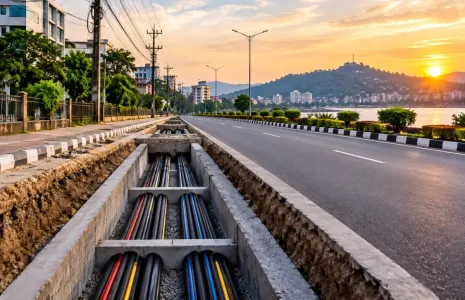
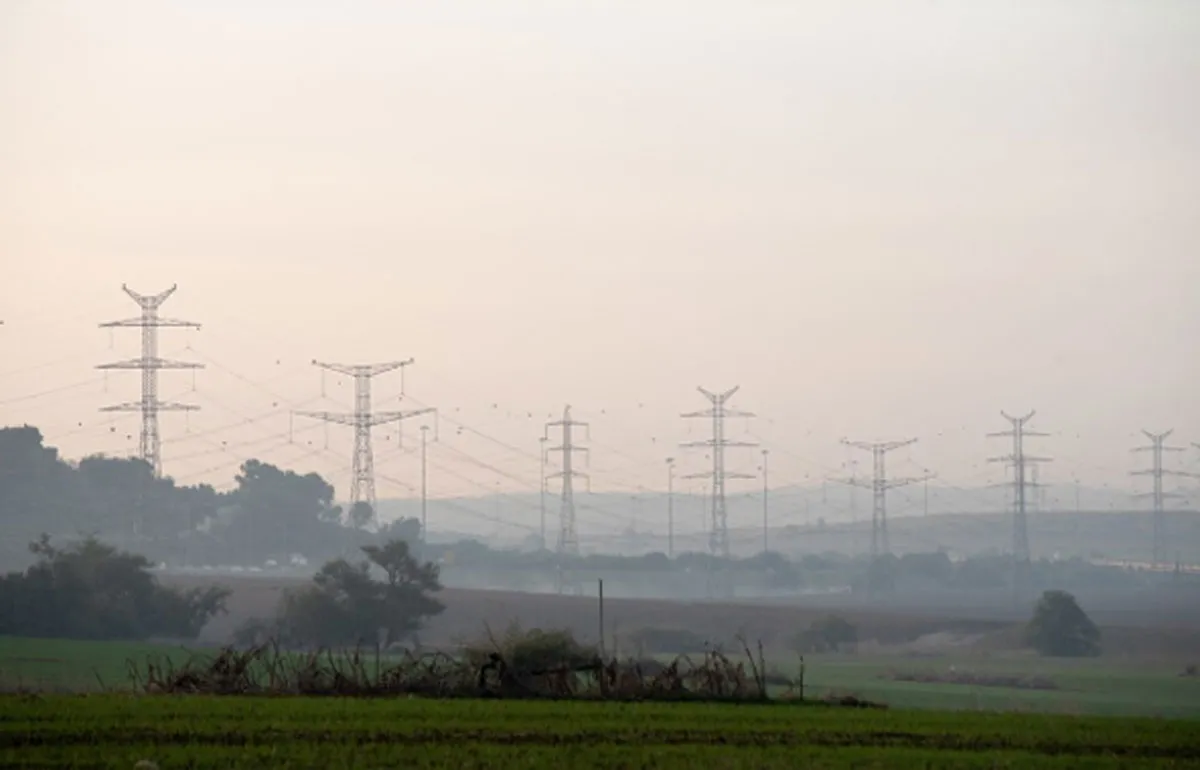
The central budget has allocated Rs 180 billion (Rs 180 bn) to support comprehensive power distribution reform across the country. The allocation aims to modernise ageing networks, strengthen state distribution utilities and reduce technical and commercial losses. It is intended to improve supply reliability and create conditions for more efficient operations and consumer service. Funding has been linked to performance improvements and structural reforms at state level. Officials expect coordination with national regulators and stakeholders.

Resources are expected to finance grid modernisation, smart metering, targeted loss reduction programmes and investment in operational technology. Emphasis will be placed on upgrading ageing transformers, strengthening distribution lines and improving defect detection and repair cycles to reduce outages. The package is also likely to include support for capacity building within utilities and for digital systems to improve billing, collection and customer engagement. Timely release of funds will be tied to measurable outcomes and audits.

The design of implementation is expected to balance central support with conditional assistance to states while preserving fiscal discipline. Disbursement mechanisms are likely to include performance linked tranches and contractual arrangements that require measurable reductions in losses and improvements in billing efficiency. The approach is intended to attract private capital by clarifying risk sharing, improving project bankability and setting clear operational targets for utilities. Regulatory coordination and transparent reporting will be central to oversight functions.

Officials expect that successful reform will lower aggregate technical and commercial losses, improve revenue realisation and support sustainability of the distribution sector. Consumers may benefit from improved supply quality and reduced frequency of outages, subject to the pace of network upgrades and operational changes. The allocation signals policy intent to modernise infrastructure and to use public funding to unlock wider investment and efficiency gains in the electricity value chain. Further details are expected in releases.

The central budget has allocated Rs 180 billion (Rs 180 bn) to support comprehensive power distribution reform across the country. The allocation aims to modernise ageing networks, strengthen state distribution utilities and reduce technical and commercial losses. It is intended to improve supply reliability and create conditions for more efficient operations and consumer service. Funding has been linked to performance improvements and structural reforms at state level. Officials expect coordination with national regulators and stakeholders. Resources are expected to finance grid modernisation, smart metering, targeted loss reduction programmes and investment in operational technology. Emphasis will be placed on upgrading ageing transformers, strengthening distribution lines and improving defect detection and repair cycles to reduce outages. The package is also likely to include support for capacity building within utilities and for digital systems to improve billing, collection and customer engagement. Timely release of funds will be tied to measurable outcomes and audits. The design of implementation is expected to balance central support with conditional assistance to states while preserving fiscal discipline. Disbursement mechanisms are likely to include performance linked tranches and contractual arrangements that require measurable reductions in losses and improvements in billing efficiency. The approach is intended to attract private capital by clarifying risk sharing, improving project bankability and setting clear operational targets for utilities. Regulatory coordination and transparent reporting will be central to oversight functions. Officials expect that successful reform will lower aggregate technical and commercial losses, improve revenue realisation and support sustainability of the distribution sector. Consumers may benefit from improved supply quality and reduced frequency of outages, subject to the pace of network upgrades and operational changes. The allocation signals policy intent to modernise infrastructure and to use public funding to unlock wider investment and efficiency gains in the electricity value chain. Further details are expected in releases.

Next Story
Infrastructure Transport

Surya Roshni delivers customised lighting for NCRTC RRTS stations

Surya Roshni has supplied customised indoor lighting solutions for 18 elevated stations on the National Capital Region Transport Corporation's (NCRTC) Rapid Rail Transit System (RRTS), strengthening its presence in India's infrastructure lighting segment.The project involved the design and deployment of lighting systems for platforms, concourses, foot overbridges (FOBs) and back-of-house (BOH) areas. According to the company, the luminaires were developed specifically to meet NCRTC's design, operational and performance requirements rather than using standard products.Surya introduced two custo..

Next Story
Real Estate

Hilton debuts Tapestry Collection brand in Vietnam

Hilton has opened NHAAN Resort & Spa Hoi An, Tapestry Collection by Hilton, marking the debut of the Tapestry Collection brand in Vietnam and expanding its lifestyle hospitality portfolio in Southeast Asia.Located along the Co Co River in Cam Thanh village, the 174-key resort provides access to Hoi An Ancient Town, Cua Dai Beach and the Cam Thanh Nipa Forest. The property has been designed by Vietnamese architect Vo Trong Nghia, incorporating biophilic architecture, locally sourced materials and riverfront landscapes.The resort offers a mix of guest rooms and suites, including family-frien..

Next Story
Building Material

Electrent expands lithium energy storage system portfolio

Electrent Energy has expanded its lithium-based energy storage portfolio with the launch of the ESS 850 and ESS 1050, targeting compact and maintenance-free power backup solutions for Indian homes.The new systems integrate a Home UPS and a LiFePO4 lithium battery into a single unit, extending the company's product range following the launch of its ESS 1350 and ESS 2500 models.Designed for apartments and smaller homes, the ESS 850 provides up to 1 hour 15 minutes of backup, while the ESS 1050 offers up to 1 hour 45 minutes on a typical 400 W household load. The systems can power essential appli..

Advertisement

Subscribe to Our Newsletter

Get daily newsletters around different themes from Construction world.

STAY CONNECTED

Advertisement

Advertisement

Advertisement