Coal Sector Braces for Reforms, Listings and Gasification Push
POWER & RENEWABLE ENERGY

Coal Sector Braces for Reforms, Listings and Gasification Push

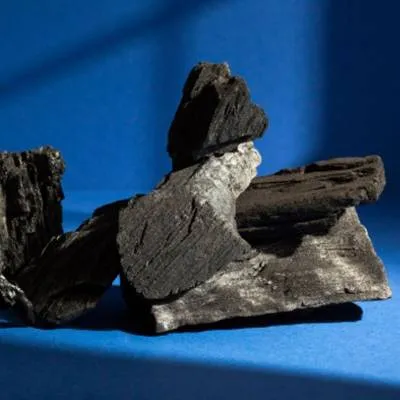
India’s coal and mining sector is set for a flurry of activity in 2026, ranging from the proposed stock market listings of key Coal India subsidiaries to a sharp push in funding for coal gasification projects, as the government steps up reforms to strengthen energy security amid the global shift towards cleaner fuels.

As India advances towards its Viksit Bharat@2047 vision, the Centre is rolling out wide-ranging reforms in the coal and mining sector to address long-standing challenges such as complex approval processes, inefficient dispatch systems and safety gaps. According to a senior coal ministry official, the reforms will span mining practices, approvals, dispatch mechanisms and safety protocols, with the objective of creating a resilient and self-reliant energy ecosystem capable of supporting a USD 30 trillion economy by 2047.

The coming year is also expected to mark a technological shift in mining operations, with coal companies adopting advanced, high-tech mining methods to improve coal quality while significantly reducing environmental impact. The official said these changes would enable the supply of superior-grade coal to power plants and industrial users, while cutting waste and emissions.

On the capital markets front, Coal India subsidiaries Bharat Coking Coal Limited (BCCL) and Central Mine Planning and Design Institute Limited (CMPDIL) are preparing for stock market debuts. The official said domestic and international roadshows for BCCL have been completed and that both BCCL and CMPDIL are expected to be listed by March 2026.

Coal gasification is set to emerge as a major focus area, with the government considering higher funding to meet rising energy and chemical demand and reduce import dependence. Officials said the emphasis will increasingly move beyond the power sector, with gasification seen as a key avenue to accelerate utilisation of domestic coal resources and curb imports.

To boost output, the government plans to auction more coal blocks, encouraging greater private sector participation. Commercial and captive mines currently produce nearly 200 million tonnes annually, a base that policymakers expect to expand as private players are offered more blocks. State-run coal producers, including Coal India, are now required to compete alongside private firms in auctions, creating a level playing field aimed at lifting production to meet rising demand.

Digital reforms are also underway, with the coal sector leveraging artificial intelligence, drones, enhanced connectivity and mine surveillance systems to detect operational anomalies with greater precision.

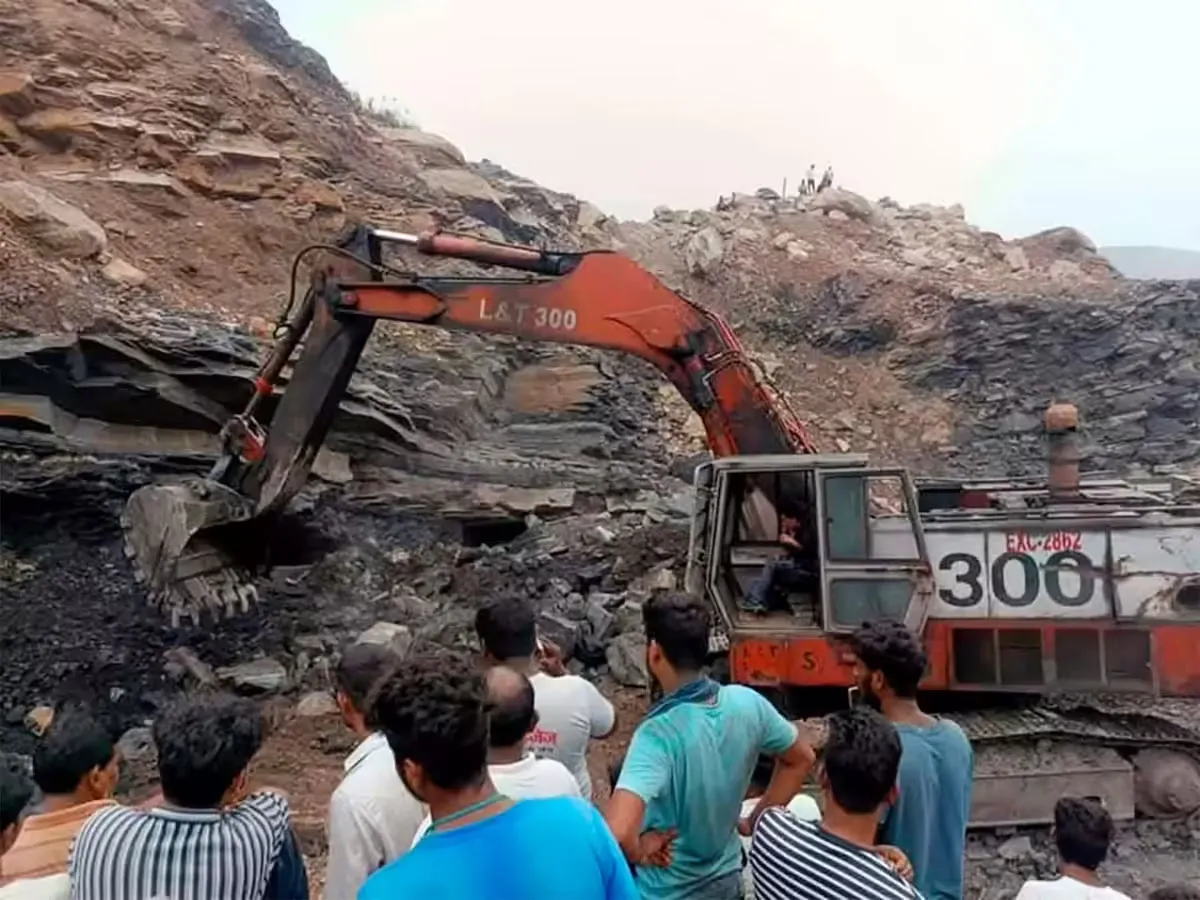
However, the sector faced challenges in 2025, when production and dispatch targets were missed due to delays in land acquisition, environmental clearances and adverse monsoon conditions. Coal production declined 1.43 per cent to 619.40 million tonnes during April–November, compared with 628.36 million tonnes a year earlier, while dispatch fell 1.06 per cent to 651.78 million tonnes from 658.77 million tonnes.

To bridge the supply gap, India increased coal imports, even as it remained heavily dependent on imported critical minerals. To address this, the government has launched initiatives such as the National Critical Mineral Mission to boost domestic availability and reduce reliance on overseas sources.

Industry leaders said the strategic importance of critical minerals has risen sharply due to growing demand from clean energy, electric mobility, grid expansion and advanced manufacturing. Rare earths, potash and tungsten are increasingly viewed as strategic assets, with the rare-earth market nearing 200 kilotonnes and expected to grow steadily alongside electric vehicles and renewable technologies.

While steps are being taken to improve self-reliance, industry executives cautioned that India is likely to remain dependent on imports of critical minerals in the short to medium term. As 2025 draws to a close, manufacturing leaders said the coming decade will be defined by clean energy, advanced materials and innovation-led partnerships, with green hydrogen emerging as a key pillar across steel, chemicals, mobility and heavy engineering.

India’s coal and mining sector is set for a flurry of activity in 2026, ranging from the proposed stock market listings of key Coal India subsidiaries to a sharp push in funding for coal gasification projects, as the government steps up reforms to strengthen energy security amid the global shift towards cleaner fuels. As India advances towards its Viksit Bharat@2047 vision, the Centre is rolling out wide-ranging reforms in the coal and mining sector to address long-standing challenges such as complex approval processes, inefficient dispatch systems and safety gaps. According to a senior coal ministry official, the reforms will span mining practices, approvals, dispatch mechanisms and safety protocols, with the objective of creating a resilient and self-reliant energy ecosystem capable of supporting a USD 30 trillion economy by 2047. The coming year is also expected to mark a technological shift in mining operations, with coal companies adopting advanced, high-tech mining methods to improve coal quality while significantly reducing environmental impact. The official said these changes would enable the supply of superior-grade coal to power plants and industrial users, while cutting waste and emissions. On the capital markets front, Coal India subsidiaries Bharat Coking Coal Limited (BCCL) and Central Mine Planning and Design Institute Limited (CMPDIL) are preparing for stock market debuts. The official said domestic and international roadshows for BCCL have been completed and that both BCCL and CMPDIL are expected to be listed by March 2026. Coal gasification is set to emerge as a major focus area, with the government considering higher funding to meet rising energy and chemical demand and reduce import dependence. Officials said the emphasis will increasingly move beyond the power sector, with gasification seen as a key avenue to accelerate utilisation of domestic coal resources and curb imports. To boost output, the government plans to auction more coal blocks, encouraging greater private sector participation. Commercial and captive mines currently produce nearly 200 million tonnes annually, a base that policymakers expect to expand as private players are offered more blocks. State-run coal producers, including Coal India, are now required to compete alongside private firms in auctions, creating a level playing field aimed at lifting production to meet rising demand. Digital reforms are also underway, with the coal sector leveraging artificial intelligence, drones, enhanced connectivity and mine surveillance systems to detect operational anomalies with greater precision. However, the sector faced challenges in 2025, when production and dispatch targets were missed due to delays in land acquisition, environmental clearances and adverse monsoon conditions. Coal production declined 1.43 per cent to 619.40 million tonnes during April–November, compared with 628.36 million tonnes a year earlier, while dispatch fell 1.06 per cent to 651.78 million tonnes from 658.77 million tonnes. To bridge the supply gap, India increased coal imports, even as it remained heavily dependent on imported critical minerals. To address this, the government has launched initiatives such as the National Critical Mineral Mission to boost domestic availability and reduce reliance on overseas sources. Industry leaders said the strategic importance of critical minerals has risen sharply due to growing demand from clean energy, electric mobility, grid expansion and advanced manufacturing. Rare earths, potash and tungsten are increasingly viewed as strategic assets, with the rare-earth market nearing 200 kilotonnes and expected to grow steadily alongside electric vehicles and renewable technologies. While steps are being taken to improve self-reliance, industry executives cautioned that India is likely to remain dependent on imports of critical minerals in the short to medium term. As 2025 draws to a close, manufacturing leaders said the coming decade will be defined by clean energy, advanced materials and innovation-led partnerships, with green hydrogen emerging as a key pillar across steel, chemicals, mobility and heavy engineering.

Next Story
Infrastructure Transport

NHAI gets SEBI nod for Raajmarg Infra InvIT

The National Highways Authority of India (NHAI) has received approval from the Securities and Exchange Board of India for its sponsored Raajmarg Infra Investment Trust (RIIT) to operate as a public Infrastructure Investment Trust (InvIT), marking a key milestone in its asset monetisation programme.The public InvIT is aimed at unlocking value from national highway assets while creating a long-term investment instrument targeted primarily at retail and domestic investors. NHAI said the move would broaden public participation in India’s highway infrastructure growth story and support sustainabl..

Next Story
Infrastructure Transport

Great Nicobar Airport to Boost Defence and Tourism

The government has begun work on a new airport at the southernmost tip of India on Great Nicobar Island, a move expected to significantly strengthen India’s defence preparedness while accelerating tourism-led development in the region, according to official documents accessed by ANI. The proposed airport will enable operations of larger military aircraft and sharply cut response times for defence forces in the Indian Ocean Region, a critical consideration for national security. The nearest major airport, Veer Savarkar International Airport in Port Blair, is located more than 500 kilometres ..

Next Story
Infrastructure Transport

Navi Mumbai Airport Opens for Commercial Operations

After decades of planning, the greenfield Navi Mumbai International Airport (NMIA) is set to commence commercial operations from Thursday, a milestone expected to cut travel time, boost tourism and attract large-scale investment across the Mumbai Metropolitan Region. The City and Industrial Development Corporation (CIDCO), the implementing agency for the project, said the airport will handle 30 air traffic movements, including arrivals and departures, on its first day of operations. The launch is expected to significantly ease congestion at the existing Mumbai international airport while esta..

Advertisement

Subscribe to Our Newsletter

Get daily newsletters around different themes from Construction world.

STAY CONNECTED

Advertisement

Advertisement

Advertisement

Advertisement

Open In App