GEON commissions 10 MW/20 MWh battery storage project in Rajasthan
POWER & RENEWABLE ENERGY

GEON commissions 10 MW/20 MWh battery storage project in Rajasthan

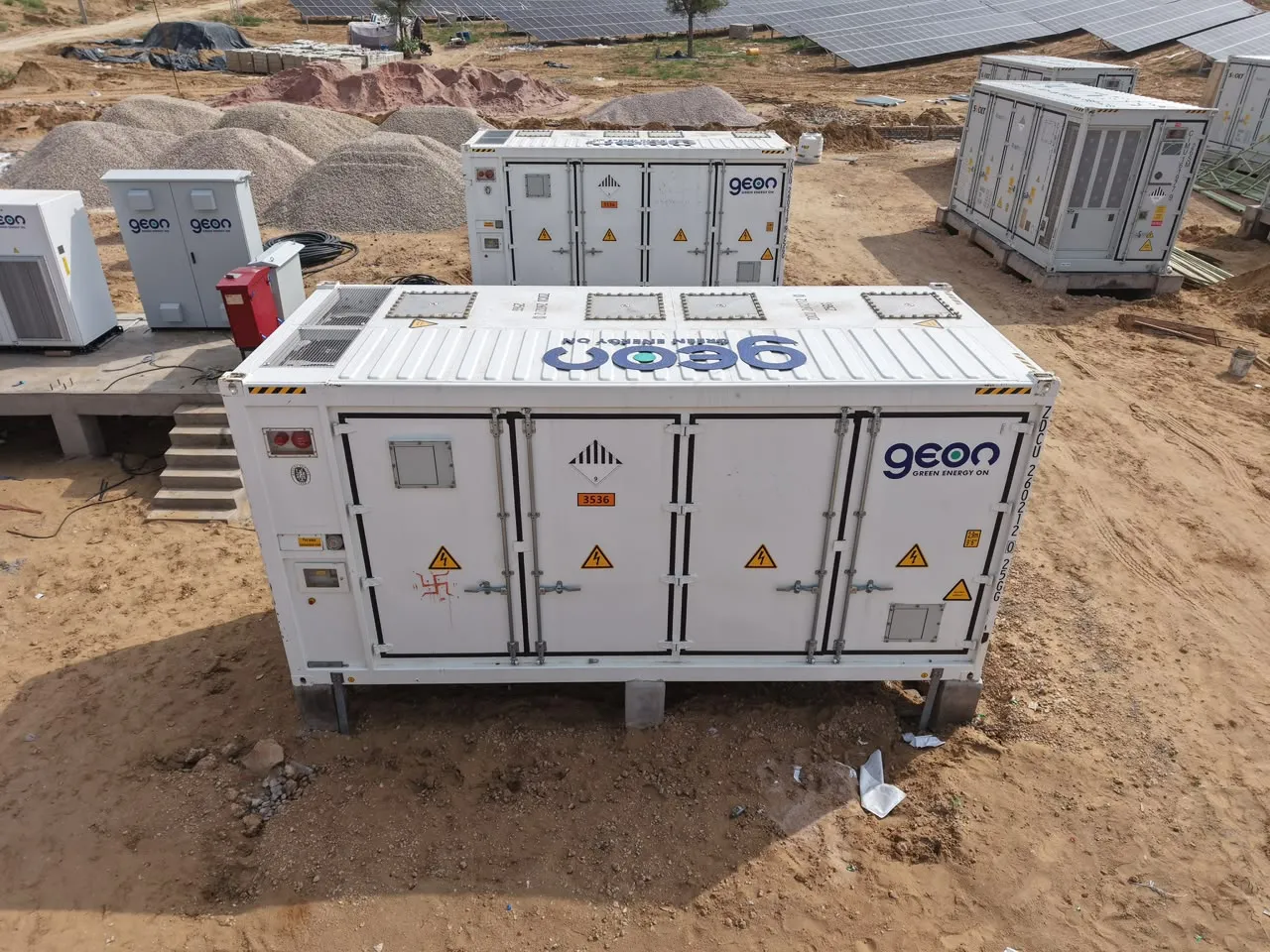
GEON, the future technologies division of Kabra Extrusiontechnik Ltd, has commissioned its 10 MW/20 MWh Battery Energy Storage System (BESS) project at Phalodi, Rajasthan, strengthening energy storage infrastructure and supporting renewable energy integration into the electricity grid.

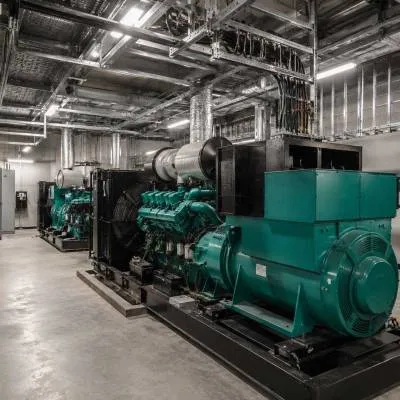
The project has been designed, executed, tested and commissioned in accordance with applicable technical specifications, performance requirements and project obligations. The scope includes the BESS container, Power Conversion System (PCS), Energy Management System (EMS), Factory Acceptance Testing (FAT), pre-commissioning, commissioning and Site Acceptance Testing (SAT).

With a power capacity of 10 MW and energy storage capacity of 20 MWh, the system is designed to support efficient energy management, enhance grid stability and enable better utilisation of renewable energy. The project has been implemented under the requirements of Rajasthan Rajya Vidyut Prasaran Nigam Limited (RVPNL).

The commissioning aligns with Rajasthan’s renewable energy initiatives and green energy access framework, including the Rajasthan Electricity Regulatory Commission (Green Energy Open Access Registration and Terms and Conditions) Regulations, 2025.

Battery energy storage systems play an important role in managing renewable energy variability by balancing generation and demand. According to NITI Frontier Tech Hub, a BESS system of this scale can contribute to approximately 1,00,000 metric tonnes of CO₂ savings over a 10–15 year operational lifecycle when charged using renewable energy.

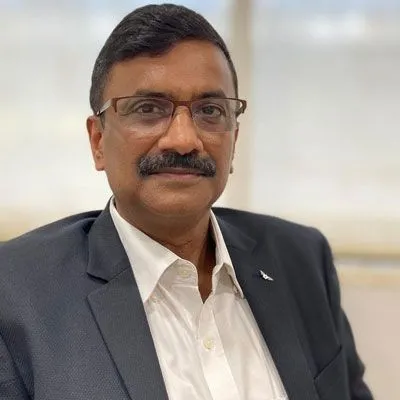
Anand Kabra, Chairman and Managing Director, GEON, said, “The successful commissioning of our 10 MW/20 MWh BESS project at Phalodi is an important milestone in our journey towards building a more resilient and renewable-ready power ecosystem. Energy storage will play a critical role in balancing renewable generation with demand, improving grid stability and enabling greater utilisation of clean energy.”

The project highlights the growing role of BESS infrastructure in India’s renewable energy transition, particularly as the country expands solar and wind generation capacity and requires reliable solutions for managing intermittency, peak demand and grid flexibility.

GEON, the future technologies division of Kabra Extrusiontechnik Ltd, has commissioned its 10 MW/20 MWh Battery Energy Storage System (BESS) project at Phalodi, Rajasthan, strengthening energy storage infrastructure and supporting renewable energy integration into the electricity grid.The project has been designed, executed, tested and commissioned in accordance with applicable technical specifications, performance requirements and project obligations. The scope includes the BESS container, Power Conversion System (PCS), Energy Management System (EMS), Factory Acceptance Testing (FAT), pre-commissioning, commissioning and Site Acceptance Testing (SAT).With a power capacity of 10 MW and energy storage capacity of 20 MWh, the system is designed to support efficient energy management, enhance grid stability and enable better utilisation of renewable energy. The project has been implemented under the requirements of Rajasthan Rajya Vidyut Prasaran Nigam Limited (RVPNL).The commissioning aligns with Rajasthan’s renewable energy initiatives and green energy access framework, including the Rajasthan Electricity Regulatory Commission (Green Energy Open Access Registration and Terms and Conditions) Regulations, 2025.Battery energy storage systems play an important role in managing renewable energy variability by balancing generation and demand. According to NITI Frontier Tech Hub, a BESS system of this scale can contribute to approximately 1,00,000 metric tonnes of CO₂ savings over a 10–15 year operational lifecycle when charged using renewable energy.Anand Kabra, Chairman and Managing Director, GEON, said, “The successful commissioning of our 10 MW/20 MWh BESS project at Phalodi is an important milestone in our journey towards building a more resilient and renewable-ready power ecosystem. Energy storage will play a critical role in balancing renewable generation with demand, improving grid stability and enabling greater utilisation of clean energy.”The project highlights the growing role of BESS infrastructure in India’s renewable energy transition, particularly as the country expands solar and wind generation capacity and requires reliable solutions for managing intermittency, peak demand and grid flexibility.

Related Stories

Gold Stories

Next Story
Equipment

Zoomlion Unveils 1,600 HP Hybrid Tractor for Large Farms

Zoomlion Heavy Industry Science & Technology has recently unveiled its 9DX hybrid tractor at the 2026 China International Agricultural Machinery Exhibition in China. Delivering a peak output of 1,600 horsepower, the tractor is claimed by the company to be the world's most powerful and is designed for large-scale, heavy-duty agricultural operations.The 9DX incorporates an in-house-developed digital chassis, core components and intelligent control systems. Its hybrid continuously variable transmission technology and 800-volt dual-motor coupling system generate peak torque of 7,200 Nm, enabli..
Next Story
Infrastructure Urban

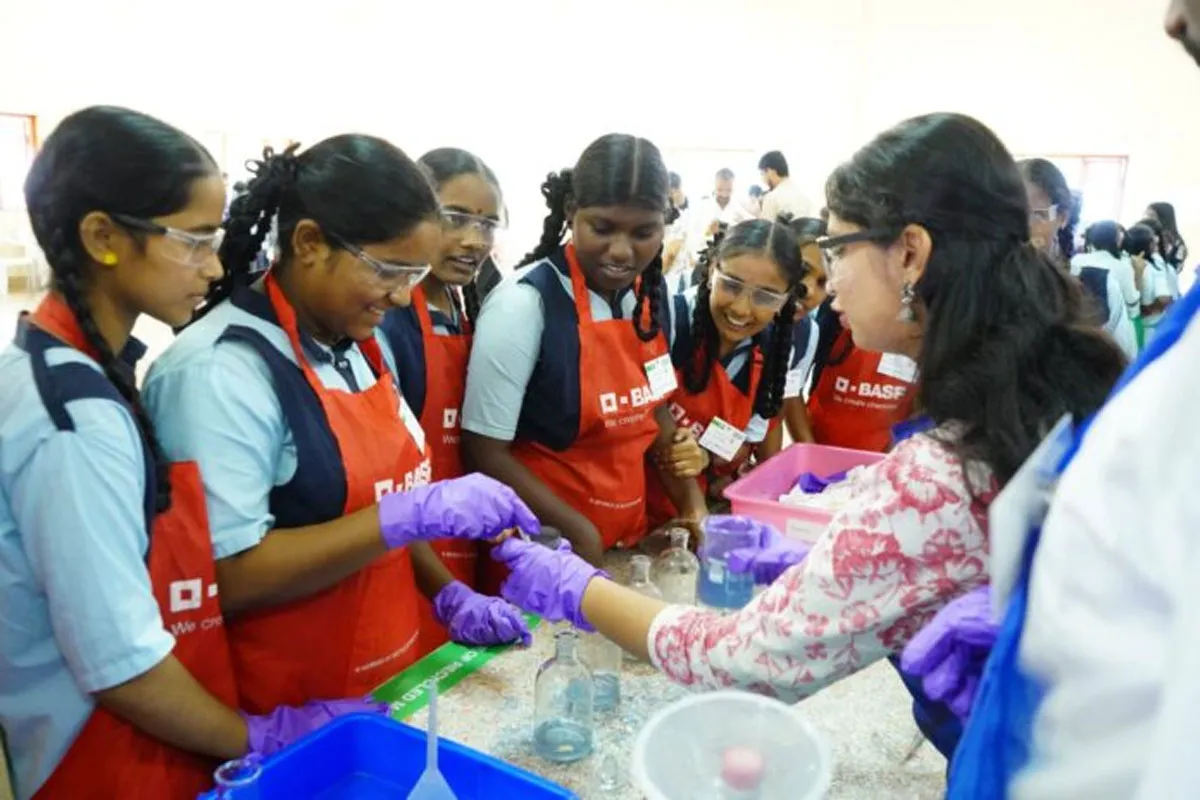
BASF Kids' Lab Brings Climate Education to 1,150 Hyderabad Students

BASF, in collaboration with the CSIR-Indian Institute of Chemical Technology (CSIR-IICT), Hyderabad, has recently organised its Kids' Lab programme from 26 to 31 October 2026, aiming to engage 1,150 municipal schoolchildren in hands-on chemistry experiments and climate action awareness.Designed for children aged eight to 12, the initiative encourages scientific curiosity through interactive experiments while introducing concepts related to sustainability, environmental protection and climate change.The BASF Kids' Lab programme operates in more than 30 countries and has reached over 62,000 scho..
Next Story
Building Material

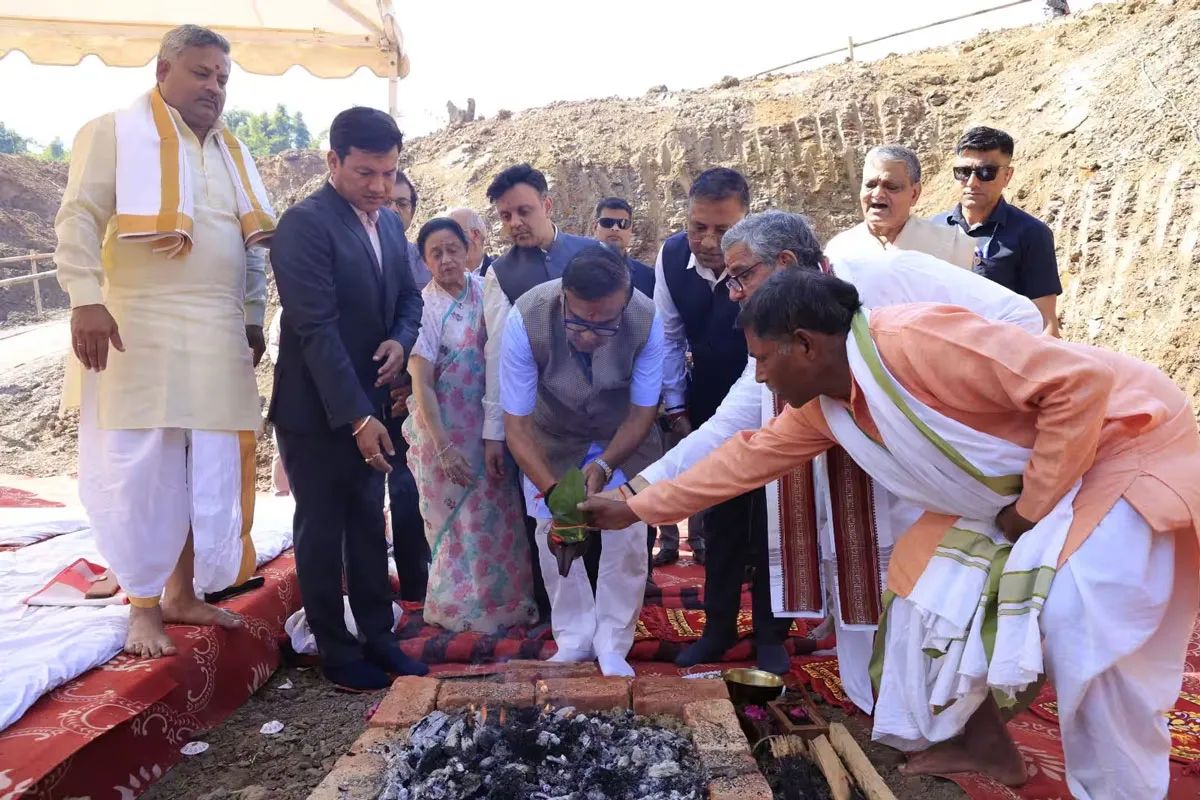
JK Lakshmi Cement Begins Rs 110 Billion Assam Plant Project

JK Lakshmi Cement has recently laid the foundation stone for Project Kamakshi, its first integrated cement manufacturing facility in Assam, marking its entry into Northeast India. The groundbreaking ceremony was held at Umrangso village in Dima Hasao district in the presence of Assam Chief Minister Himanta Biswa Sarma.The project involves an investment of Rs 110 billion, including the mining lease, and will have an annual cement production capacity of 2.5 million tonnes, supported by a 1 million tonne clinkerisation unit. Scheduled for completion by FY2029, the facility is expected to generate..

Advertisement

Subscribe to Our Newsletter

Get daily newsletters around different themes from Construction world.

STAY CONNECTED

Advertisement

SPECIAL OFFER
QR Code