GoodEnough Energy Commissions India’s Largest BESS
POWER & RENEWABLE ENERGY

GoodEnough Energy Commissions India’s Largest BESS

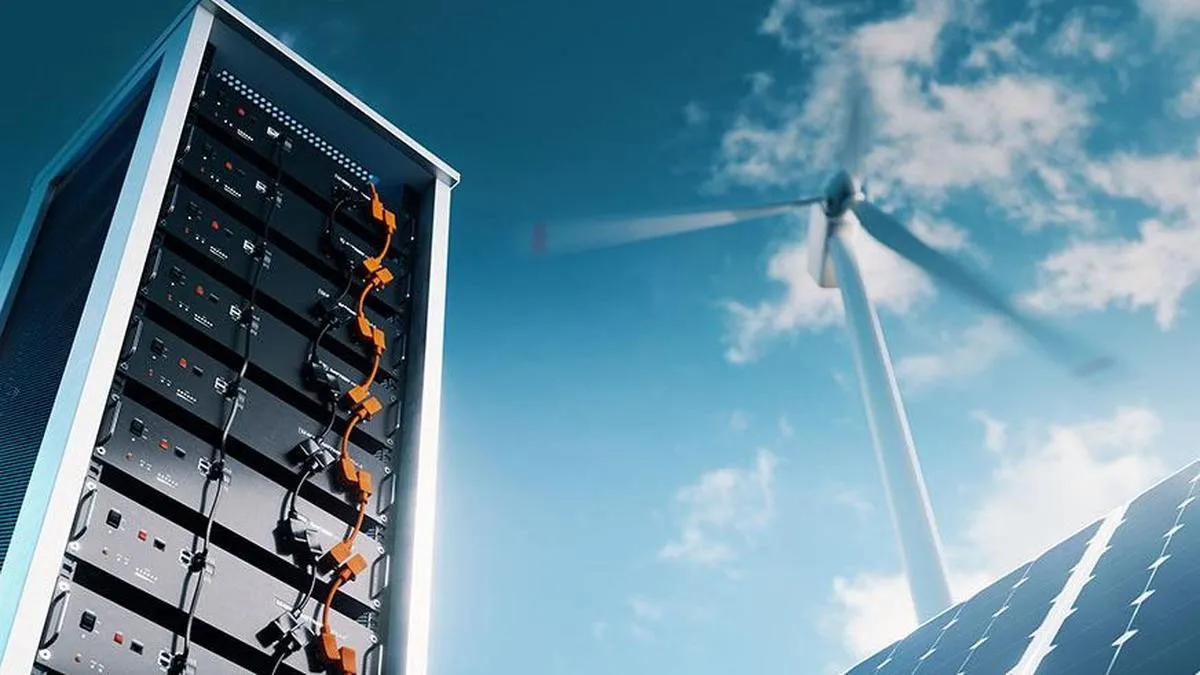
GoodEnough Energy has commissioned a 7 gigawatt-hour (GWh) battery energy storage system (BESS) in Uttar Pradesh, marking the largest such facility in India. The project represents a major milestone in strengthening the country’s energy storage infrastructure amid rapid expansion of renewable power capacity.

Founded in 2023 with an initial investment of Rs 4.5 billion, the company plans to scale its manufacturing and deployment capacity to 25 GWh of BESS within the next three years. The expansion is aimed at supporting India’s growing demand for reliable energy storage solutions to stabilise renewable power supply.

Indian companies currently rely heavily on imports from China for battery storage systems used in clean energy projects. The commissioning of large-scale domestic storage facilities is expected to reduce import dependence and strengthen India’s energy security.

India has set a target of achieving 500 GW of non-fossil fuel power capacity by 2030 and is estimated to require around 230 GWh of energy storage to support its rapidly expanding green power grid. Energy storage systems are critical to balancing supply and demand, particularly as solar and wind power generation increases.

In 2023, the government approved Rs 94 billion in funding to promote domestic manufacturing of BESS equipment, offering financial support of up to 40 per cent of capital costs. This policy framework is designed to accelerate the development of India’s energy storage ecosystem and encourage private sector investment in advanced battery technologies.

The commissioning of GoodEnough Energy’s 7 GWh facility highlights the growing momentum in India’s energy storage sector and underscores the role of domestic manufacturing in supporting the country’s clean energy transition.

GoodEnough Energy has commissioned a 7 gigawatt-hour (GWh) battery energy storage system (BESS) in Uttar Pradesh, marking the largest such facility in India. The project represents a major milestone in strengthening the country’s energy storage infrastructure amid rapid expansion of renewable power capacity. Founded in 2023 with an initial investment of Rs 4.5 billion, the company plans to scale its manufacturing and deployment capacity to 25 GWh of BESS within the next three years. The expansion is aimed at supporting India’s growing demand for reliable energy storage solutions to stabilise renewable power supply. Indian companies currently rely heavily on imports from China for battery storage systems used in clean energy projects. The commissioning of large-scale domestic storage facilities is expected to reduce import dependence and strengthen India’s energy security. India has set a target of achieving 500 GW of non-fossil fuel power capacity by 2030 and is estimated to require around 230 GWh of energy storage to support its rapidly expanding green power grid. Energy storage systems are critical to balancing supply and demand, particularly as solar and wind power generation increases. In 2023, the government approved Rs 94 billion in funding to promote domestic manufacturing of BESS equipment, offering financial support of up to 40 per cent of capital costs. This policy framework is designed to accelerate the development of India’s energy storage ecosystem and encourage private sector investment in advanced battery technologies. The commissioning of GoodEnough Energy’s 7 GWh facility highlights the growing momentum in India’s energy storage sector and underscores the role of domestic manufacturing in supporting the country’s clean energy transition.

Next Story
Resources

Jyoti Structures Launches Heat Safety Drive Across Sites

Jyoti Structures (JSL) has strengthened heat safety measures across its project sites and manufacturing facilities as temperatures rise across India. The company has implemented a Summer Safety Plan covering all transmission line projects to address risks related to heat stress, dehydration and worker fatigue.The initiative includes rescheduling work away from peak afternoon temperatures, provision of drinking water, ORS and lemon-salt solutions, and installation of rest shelters near work areas. Daily toolbox talks, worker health monitoring, first-aid preparedness, emergency transport arrange..

Next Story
Real Estate

MHADA Declares 82 Buildings Most Dangerous in Central and South Mumbai

The Maharashtra Housing and Area Development Authority (MHADA) has declared 82 buildings as most dangerous across Central and South Mumbai and has appealed to residents to vacate immediately. The list, prepared after structural assessments by the authority, identifies buildings judged to pose imminent risk to occupants and to passersby. Local civic bodies have been asked to coordinate evacuations and to make arrangements for temporary shelter and rehabilitation for displaced households. Officials said the authority prioritised buildings with visible structural distress, severe cracking, tiltin..

Next Story
Infrastructure Transport

Damage Reported At Halwara Airport Terminal After First Rains

Severe damage was reported at the terminal of Halwara Airport during the first major rain spell of the season, prompting immediate concern among aviation and local authorities. Images from the site showed water ingress and visible deterioration of the terminal interior, affecting passenger areas and ancillary services. The airport authority suspended certain operations temporarily to assess structural safety and ensure passenger wellbeing. Preliminary inspections have prioritised electrical systems and roof seals to prevent further water ingress. State aviation officials ordered a formal inqui..

Advertisement

Subscribe to Our Newsletter

Get daily newsletters around different themes from Construction world.

STAY CONNECTED

Advertisement

Advertisement

Advertisement