Govt Ensures Adequate Power Supply for Summer Demand Spike
POWER & RENEWABLE ENERGY

Govt Ensures Adequate Power Supply for Summer Demand Spike

The Ministry of Power has announced comprehensive measures to ensure an adequate power supply amid the anticipated rise in demand during the summer months. With temperatures soaring, electricity consumption typically spikes, necessitating proactive steps to avoid power shortages.

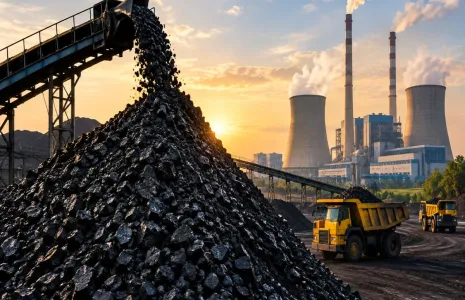
Key initiatives include optimising power generation from coal, hydro, and renewable energy sources. The ministry has directed thermal power plants to maintain adequate coal stocks and ensure operational efficiency. Hydropower stations have been instructed to maximise output, especially during peak demand periods.

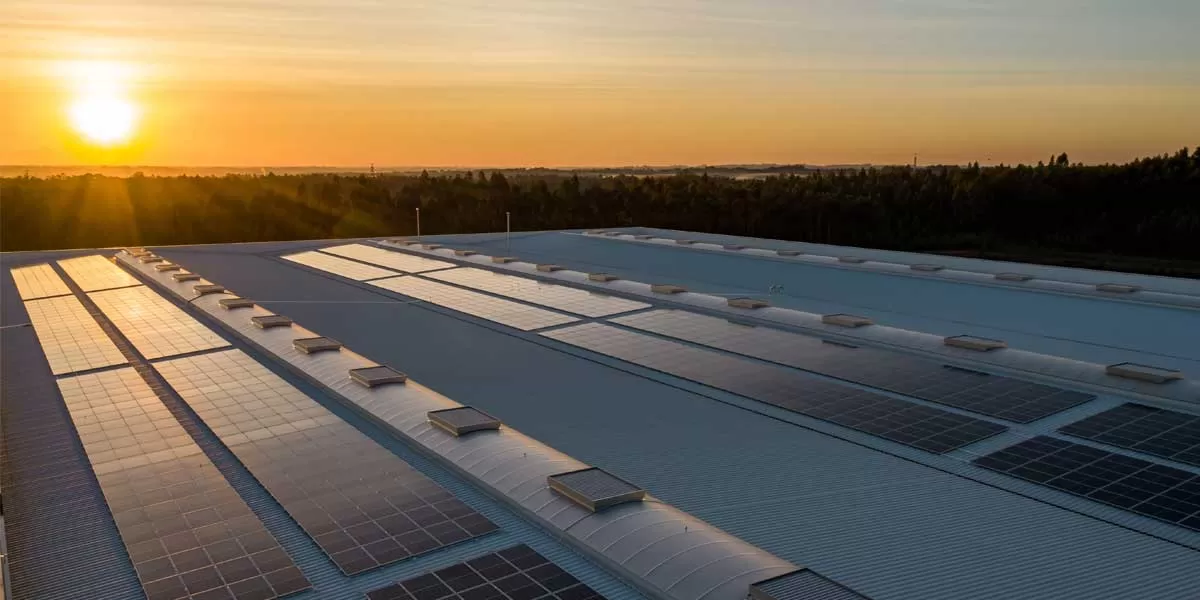
Additionally, the government is leveraging renewable energy sources like solar and wind to supplement the grid. Efforts to enhance grid stability and capacity have been intensified, ensuring seamless integration of renewable energy. The ministry is also working closely with state governments and power distribution companies to monitor and manage supply and demand dynamics effectively.

To further bolster power availability, the ministry has expedited maintenance and upgradation of transmission infrastructure. This includes improving inter-state transmission networks to facilitate the smooth transfer of electricity across regions. The government has also launched initiatives to promote energy efficiency, urging consumers to adopt energy-saving practices.

Special attention is being given to rural and remote areas to ensure uninterrupted power supply, minimising the impact of heatwaves on vulnerable populations. The ministry's measures aim to provide reliable and continuous electricity, mitigating the risks of blackouts or load shedding.

These proactive steps reflect the government's commitment to meeting the nation's energy needs and ensuring that households and businesses remain powered during the peak summer season. The ministry's comprehensive strategy is poised to address the challenges posed by increased electricity demand, ensuring a stable and sufficient power supply across the country.

The Ministry of Power has announced comprehensive measures to ensure an adequate power supply amid the anticipated rise in demand during the summer months. With temperatures soaring, electricity consumption typically spikes, necessitating proactive steps to avoid power shortages. Key initiatives include optimising power generation from coal, hydro, and renewable energy sources. The ministry has directed thermal power plants to maintain adequate coal stocks and ensure operational efficiency. Hydropower stations have been instructed to maximise output, especially during peak demand periods. Additionally, the government is leveraging renewable energy sources like solar and wind to supplement the grid. Efforts to enhance grid stability and capacity have been intensified, ensuring seamless integration of renewable energy. The ministry is also working closely with state governments and power distribution companies to monitor and manage supply and demand dynamics effectively. To further bolster power availability, the ministry has expedited maintenance and upgradation of transmission infrastructure. This includes improving inter-state transmission networks to facilitate the smooth transfer of electricity across regions. The government has also launched initiatives to promote energy efficiency, urging consumers to adopt energy-saving practices. Special attention is being given to rural and remote areas to ensure uninterrupted power supply, minimising the impact of heatwaves on vulnerable populations. The ministry's measures aim to provide reliable and continuous electricity, mitigating the risks of blackouts or load shedding. These proactive steps reflect the government's commitment to meeting the nation's energy needs and ensuring that households and businesses remain powered during the peak summer season. The ministry's comprehensive strategy is poised to address the challenges posed by increased electricity demand, ensuring a stable and sufficient power supply across the country.

Next Story
Infrastructure Urban

Implementation Status of Jal Jeevan Mission

Since August 2019 the Government has implemented Jal Jeevan Mission to provide assured potable water through household tap connections in rural India. At the start of the mission only 32.3 million (mn) rural households, representing 16.7 per cent, were reported to have tap water connections. States and union territories have reported that 125.8 mn additional rural households have since been provided with tap connections. As a result, of about 193.6 mn rural households roughly 158.2 mn, or 81.71 per cent, are reported to have tap water supply at home.\n\nThe State, district and village level st..

Next Story
Infrastructure Urban

Jal Jeevan Mission Reaches Eighty One Per Cent Rural Coverage

The Government reported substantial progress under the Jal Jeevan Mission, launched in August 2019 to provide tap water to every rural household. At launch only 32.3 million (mn) rural households had tap connections and states and Union territories reported provision of 125.8 mn additional households by March 2026. Consequently, out of about 193.6 mn rural households around 158.2 mn, or 81.71 per cent, are reported to have tap water at home. The Finance Minister announced extension of the mission until 2028 in the 2025-26 budget speech. The Swachh Bharat Mission Grameen, launched in October 20..

Next Story
Infrastructure Urban

Empowering Local Governance for Sustainable Rural Water Supply

The Ministry of Jal Shakti has aligned the Jal Jeevan Mission (JJM) with the 73rd Amendment to strengthen village level planning and community ownership of water supply. Gram Panchayats, village water and sanitation committees and Pani Samitis are to plan, implement, manage and maintain piped water systems, with gram sabha processes formalising handover and oversight. Implementation support agencies including non government organisations, community based organisations and self help groups have been empanelled to train local committees and promote women participation. Under JJM, the department ..

Advertisement

Subscribe to Our Newsletter

Get daily newsletters around different themes from Construction world.

STAY CONNECTED

Advertisement

Advertisement

Advertisement