GSECL Seeks GERC Tariff Approval For 45 MW Bhavnagar Solar Plant
POWER & RENEWABLE ENERGY

GSECL Seeks GERC Tariff Approval For 45 MW Bhavnagar Solar Plant

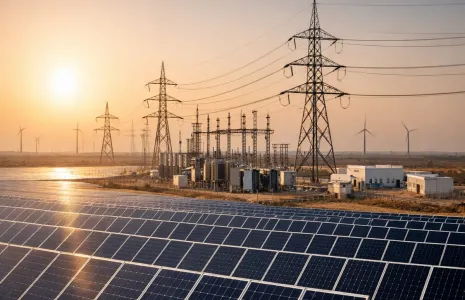
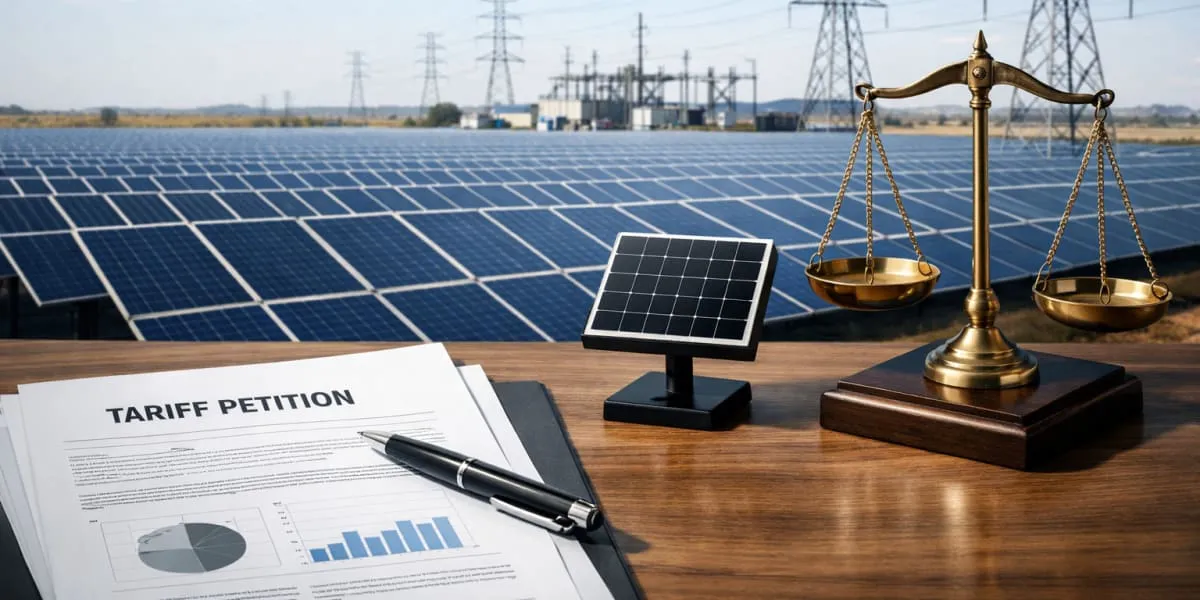
Gujarat State Electricity Corporation Limited (GSECL) has filed a petition before the Gujarat Electricity Regulatory Commission seeking tariff approval for a newly developed 45 Megawatt (MW) solar power project at Badeli in Bhavnagar district. The plant forms part of a state government programme to develop renewable energy on unused government land close to existing transmission infrastructure. The filing seeks a project-specific tariff that will set the sale price of electricity from the plant.

The project is part of a 2019 state scheme that uses wasteland near transmission lines to ease land acquisition and contain costs. Under the scheme, GSECL was tasked with developing around 2,500 MW of solar capacity and the state provides a 50 per cent capital subsidy to lower generation costs.

Premier Solar Powertech Pvt Ltd was selected as contractor and the plant was executed in two phases, achieving commercial commissioning by the end of April 2025. GSECL signed a power purchase agreement with Gujarat Urja Vikas Nigam Limited (GUVNL) in January 2026. Tariff approval is mandated under the Electricity Act 2003 and the PPA provides that GUVNL will procure power at a tariff to be determined by the commission for 25 years.

Initial cost was estimated at around Rs 269.92 crore, equal to Rs 2,699.2 mn after conversion, but total cost rose to approximately Rs 290.67 crore or Rs 2,906.7 mn after inclusion of supervision and pre-operative expenses. GSECL has sought approval of the final cost and asked the regulator to determine a tariff that reflects the subsidy, operation and maintenance costs, financial structure and return on equity. The petition is seen as part of the state effort to strengthen clean energy capacity through public sector solar projects.

Gujarat State Electricity Corporation Limited (GSECL) has filed a petition before the Gujarat Electricity Regulatory Commission seeking tariff approval for a newly developed 45 Megawatt (MW) solar power project at Badeli in Bhavnagar district. The plant forms part of a state government programme to develop renewable energy on unused government land close to existing transmission infrastructure. The filing seeks a project-specific tariff that will set the sale price of electricity from the plant. The project is part of a 2019 state scheme that uses wasteland near transmission lines to ease land acquisition and contain costs. Under the scheme, GSECL was tasked with developing around 2,500 MW of solar capacity and the state provides a 50 per cent capital subsidy to lower generation costs. Premier Solar Powertech Pvt Ltd was selected as contractor and the plant was executed in two phases, achieving commercial commissioning by the end of April 2025. GSECL signed a power purchase agreement with Gujarat Urja Vikas Nigam Limited (GUVNL) in January 2026. Tariff approval is mandated under the Electricity Act 2003 and the PPA provides that GUVNL will procure power at a tariff to be determined by the commission for 25 years. Initial cost was estimated at around Rs 269.92 crore, equal to Rs 2,699.2 mn after conversion, but total cost rose to approximately Rs 290.67 crore or Rs 2,906.7 mn after inclusion of supervision and pre-operative expenses. GSECL has sought approval of the final cost and asked the regulator to determine a tariff that reflects the subsidy, operation and maintenance costs, financial structure and return on equity. The petition is seen as part of the state effort to strengthen clean energy capacity through public sector solar projects.

Next Story
Infrastructure Transport

AFCONS & Navayuga set world records with Missing Link Expressway

Maharashtra’s most ambitious greenfield bypass — a 13.3-km alignment carrying twin record-setting tunnels and India’s tallest cable-stayed road bridge — was thrown open to traffic on Maharashtra Day, finally completing the Mumbai–Pune Expressway after a 23-year wait. CW reports…The 650-m cable-stayed bridge over Tiger Valley at sunset — the package executed by Afcons Infrastructure Ltd carries 182-m pylons, the tallest on any Indian road bridge.On 1 May 2026, Chief Minister Devendra Fadnavis, flanked by Deputy Chief Ministers Eknath Shinde and Sunetra Pawar (representing the late..

Next Story
Infrastructure Transport

Mumbai–Pune Missing Link boosts realty prospects

The recently opened ‘missing link’ on the Mumbai–Pune Expressway is set to significantly transform connectivity between the two cities by reducing travel time and bypassing the challenging ghat section. The new alignment, featuring tunnels and viaducts, is designed to improve safety, ease congestion and ensure a smoother, faster commute for both passenger and commercial traffic.With improved travel efficiency, the corridor is expected to strengthen intercity movement, encouraging more frequent travel for work, leisure and logistics. This enhanced accessibility is likely to benefit real e..

Next Story
Infrastructure Urban

How Hormuz is Hijacking Indian Highways

At the recently held RAHSTA Round Table on 29th April in Pune, and earlier during our webinars for Cement Expo by Indian Cement Review and by FIRST Construction Council on manufacturing construction equipment for the world, one thread lay common: the industry is being subjected to a cost-push chain reaction moving from crude oil → freight/insurance → steel, cement fuel, bitumen, polymers, packaging, logistics and finally project margins. Indeed, the West Asia crisis caused by the war and the Hormuz Strait blockade, which does not directly concern us, has turned around and hit us. If the wa..

Advertisement

Subscribe to Our Newsletter

Get daily newsletters around different themes from Construction world.

STAY CONNECTED

Advertisement

Advertisement

Advertisement