+
India Energy Week Marks Shift In Global Energy Engagement
POWER & RENEWABLE ENERGY

India Energy Week Marks Shift In Global Energy Engagement

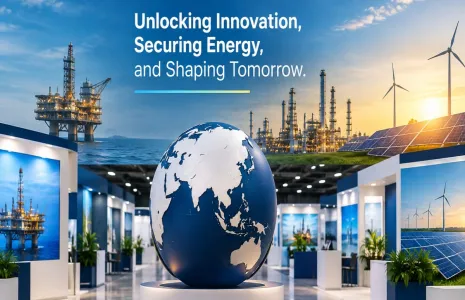
India’s global energy engagement has undergone a gradual yet decisive transformation over the past three decades, shifting from a hydrocarbons-focused dialogue centred on the Petrotech conference to a broader, integrated and transition-oriented platform under India Energy Week (IEW).

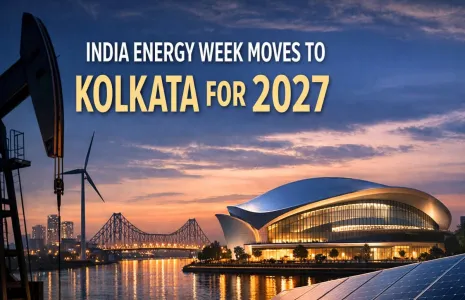
The fourth edition of IEW will be held from 27 to 30 January 2026 in Goa, bringing together the global energy community to foster dialogue, collaboration and innovation across the entire energy value chain. According to Union Minister for Petroleum and Natural Gas Hardeep Singh Puri, IEW has secured a unique position on the global energy calendar by addressing all forms of energy, ranging from fossil fuels to biofuels and hydrogen.

India’s global energy outreach began in the mid-1990s with the launch of the biennial Petrotech conference, which served as the country’s primary interface with the global oil and gas industry from 1995 to 2019. At a time when India was liberalising its upstream and downstream sectors, Petrotech helped attract international oil companies, highlight exploration opportunities and reinforce India’s role as a major demand centre in global hydrocarbon markets.

In the mid-2000s, India’s energy diplomacy expanded under then petroleum minister Mani Shankar Aiyar, who sought to elevate India’s role in global energy governance amid rising oil prices and growing import dependence. Engagement with OPEC and the Asian Oil Minister’s Roundtable in 2005 marked an early effort to move beyond transactional supply arrangements towards cooperative frameworks focused on market stability, security of supply and cross-border investment.

As global energy priorities evolved in the 2010s to include decarbonisation, digitalisation and new fuels, India’s engagement platforms also adapted. The launch of the India Energy Forum by CERAWeek in 2017 introduced broader discussions on energy transition and policy, paving the way for the emergence of India Energy Week in 2023 as a consolidated global outreach platform.

According to Puri, IEW spans oil and gas, renewables, hydrogen, biofuels, digital infrastructure and clean technologies, reflecting India’s dual priorities of energy security and transition. While hydrocarbons will remain central to India’s energy mix for decades, the shift from Petrotech to IEW highlights a strategic recalibration towards a holistic narrative aligning investment, technology and climate objectives.

The 2026 edition of IEW will be hosted at a permanent exhibition and conference facility developed by ONGC in Goa at a cost of around Rs 4.4 billion. Anchored in the theme “Energising Growth. Securing Economies. Enriching Lives”, the event is expected to bring together more than 75,000 energy professionals, over 700 exhibitors, 6,500 delegates and 550 speakers across more than 110 sessions, positioning IEW as one of the world’s largest energy conferences.

Prime Minister Narendra Modi will virtually inaugurate the event on 27 January, while global CEOs and Indian energy leaders will engage in high-level discussions on sectoral challenges and opportunities. As India’s energy demand grows and its global role deepens, India Energy Week has emerged as the country’s primary interface with global policymakers, investors and technology leaders, signalling a mature and forward-looking approach to energy engagement.

India’s global energy engagement has undergone a gradual yet decisive transformation over the past three decades, shifting from a hydrocarbons-focused dialogue centred on the Petrotech conference to a broader, integrated and transition-oriented platform under India Energy Week (IEW). The fourth edition of IEW will be held from 27 to 30 January 2026 in Goa, bringing together the global energy community to foster dialogue, collaboration and innovation across the entire energy value chain. According to Union Minister for Petroleum and Natural Gas Hardeep Singh Puri, IEW has secured a unique position on the global energy calendar by addressing all forms of energy, ranging from fossil fuels to biofuels and hydrogen. India’s global energy outreach began in the mid-1990s with the launch of the biennial Petrotech conference, which served as the country’s primary interface with the global oil and gas industry from 1995 to 2019. At a time when India was liberalising its upstream and downstream sectors, Petrotech helped attract international oil companies, highlight exploration opportunities and reinforce India’s role as a major demand centre in global hydrocarbon markets. In the mid-2000s, India’s energy diplomacy expanded under then petroleum minister Mani Shankar Aiyar, who sought to elevate India’s role in global energy governance amid rising oil prices and growing import dependence. Engagement with OPEC and the Asian Oil Minister’s Roundtable in 2005 marked an early effort to move beyond transactional supply arrangements towards cooperative frameworks focused on market stability, security of supply and cross-border investment. As global energy priorities evolved in the 2010s to include decarbonisation, digitalisation and new fuels, India’s engagement platforms also adapted. The launch of the India Energy Forum by CERAWeek in 2017 introduced broader discussions on energy transition and policy, paving the way for the emergence of India Energy Week in 2023 as a consolidated global outreach platform. According to Puri, IEW spans oil and gas, renewables, hydrogen, biofuels, digital infrastructure and clean technologies, reflecting India’s dual priorities of energy security and transition. While hydrocarbons will remain central to India’s energy mix for decades, the shift from Petrotech to IEW highlights a strategic recalibration towards a holistic narrative aligning investment, technology and climate objectives. The 2026 edition of IEW will be hosted at a permanent exhibition and conference facility developed by ONGC in Goa at a cost of around Rs 4.4 billion. Anchored in the theme “Energising Growth. Securing Economies. Enriching Lives”, the event is expected to bring together more than 75,000 energy professionals, over 700 exhibitors, 6,500 delegates and 550 speakers across more than 110 sessions, positioning IEW as one of the world’s largest energy conferences. Prime Minister Narendra Modi will virtually inaugurate the event on 27 January, while global CEOs and Indian energy leaders will engage in high-level discussions on sectoral challenges and opportunities. As India’s energy demand grows and its global role deepens, India Energy Week has emerged as the country’s primary interface with global policymakers, investors and technology leaders, signalling a mature and forward-looking approach to energy engagement.

Next Story
Infrastructure Urban

Eicher Delivers First 13.5 m Electric Intercity Sleeper Bus

Eicher Trucks & Buses, a business unit of VE Commercial Vehicles Ltd., has recently delivered its first 13.5 m electric intercity sleeper bus, marking a key milestone in India’s long-distance electric mobility segment. The first bus is being operated by LeafyBus, with plans to deploy 35 buses by March 2026 across high-demand intercity corridors in North India.The initial deployment will cover routes such as Delhi–Dehradun and Delhi–Lucknow, supporting LeafyBus’ expansion across environmentally sensitive and high-density travel corridors.Commenting on the partnership, Suresh Chettia..

Next Story
Infrastructure Urban

HCSS Showcases Unified Construction Platform at CONEXPO 2026

HCSS will recently present the next evolution of its connected construction management platform at CONEXPO-CON/AGG 2026, bringing together construction workflows, data and teams on a single platform across the entire project lifecycle. The event will be held from 3–7 March 2026 in Las Vegas, Nevada. HCSS will host two booths at the show, demonstrating how its integrated software ecosystem enables seamless collaboration between the office, field and shop, from bid stage through to project closeout. Steve McGough, President and CEO, HCSS, said, “For 40 years, we’ve done everything within..

Next Story
Building Material

Berger Paints Q3 Profit Declines Despite Volume Growth

Berger Paints India has reported a mixed performance for the quarter ended 31 December 2025, with healthy volume growth and margin improvement offset by softer demand conditions and cost pressures. On a consolidated basis, revenue from operations for the quarter stood at Rs 29,840 million, compared to Rs 29,751 million in the corresponding quarter last year, reflecting a marginal increase of 0.3 per cent. EBITDA (excluding other income) was Rs 4,710 million, slightly lower than Rs 4,717 million a year earlier. Net profit declined by 8.3 per cent to Rs 2,713 million from Rs 2,960 million. Sta..

Advertisement

Subscribe to Our Newsletter

Get daily newsletters around different themes from Construction world.

STAY CONNECTED

Advertisement

Advertisement

Advertisement

Open In App