India Eyes Doubling Of Power Capacity To 1,121 GW By FY36
POWER & RENEWABLE ENERGY

India Eyes Doubling Of Power Capacity To 1,121 GW By FY36

India plans to double installed power capacity to 1,121 GW by fiscal 2035-36 as peak demand is forecast at 459 GW. The plan marks a major infrastructure buildout from about 250 GW in 2024-25 and aims to scale non-fossil sources while retaining thermal capacity for stability.

Demand growth is projected to raise total energy requirement to 3,365 billion units by 2035-36, driven by industrial growth, urbanisation, electrification and data centres. Policy documents identify green hydrogen as an additional load driver as electrification deepens.

Officials have sought global investment and cooperation to modernise the sector, noting an estimated investment need of about $2.2 tn over two decades. An aggressive transmission expansion is planned and estimated at Rs 7.93 tn to integrate over 900 GW of non-fossil capacity, including major line and substation additions.

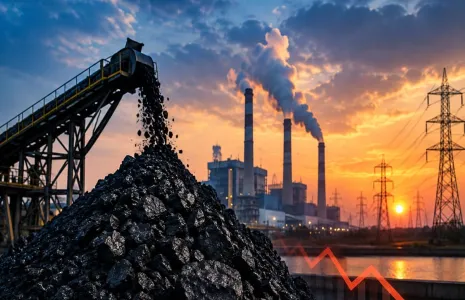
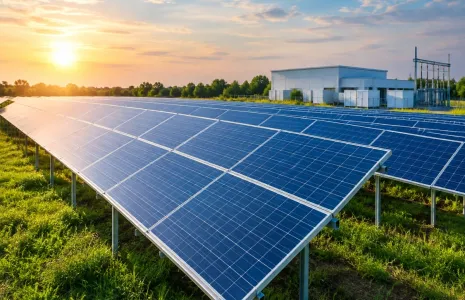
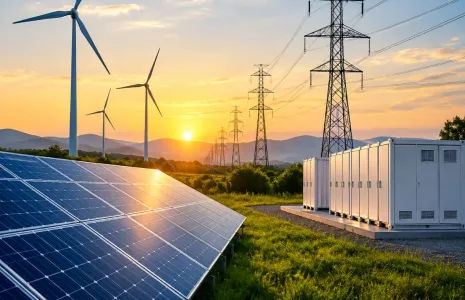
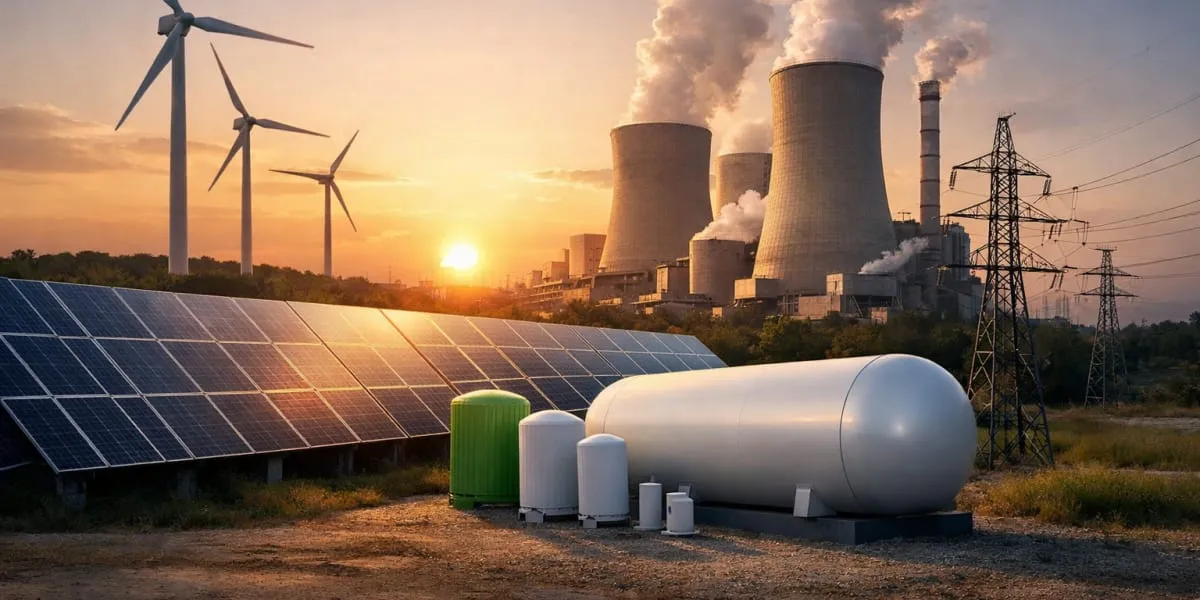
Non-fossil capacity is projected at 786 GW or nearly 70 per cent of the mix, with solar at 509 GW, wind at 155 GW and hydro at 77 GW while coal is expected to supply about 1,819 billion units or roughly 51 per cent of generation to assure baseload. The plan estimates storage needs of 174 GW and 888 GWh, including 80 GW of battery and 94 GW of pumped storage to enable energy shifting.

The report flags supply chain risks, noting that 75 to 80 per cent of lithium ion cells are imported and that dependence on external suppliers could raise geopolitical exposure. Ministers also outlined plans to expand regional interconnections to supply neighbouring countries. The roadmap frames a transition to a renewable led system while seeking to preserve reliability and affordability amid global volatility.

India plans to double installed power capacity to 1,121 GW by fiscal 2035-36 as peak demand is forecast at 459 GW. The plan marks a major infrastructure buildout from about 250 GW in 2024-25 and aims to scale non-fossil sources while retaining thermal capacity for stability. Demand growth is projected to raise total energy requirement to 3,365 billion units by 2035-36, driven by industrial growth, urbanisation, electrification and data centres. Policy documents identify green hydrogen as an additional load driver as electrification deepens. Officials have sought global investment and cooperation to modernise the sector, noting an estimated investment need of about $2.2 tn over two decades. An aggressive transmission expansion is planned and estimated at Rs 7.93 tn to integrate over 900 GW of non-fossil capacity, including major line and substation additions. Non-fossil capacity is projected at 786 GW or nearly 70 per cent of the mix, with solar at 509 GW, wind at 155 GW and hydro at 77 GW while coal is expected to supply about 1,819 billion units or roughly 51 per cent of generation to assure baseload. The plan estimates storage needs of 174 GW and 888 GWh, including 80 GW of battery and 94 GW of pumped storage to enable energy shifting. The report flags supply chain risks, noting that 75 to 80 per cent of lithium ion cells are imported and that dependence on external suppliers could raise geopolitical exposure. Ministers also outlined plans to expand regional interconnections to supply neighbouring countries. The roadmap frames a transition to a renewable led system while seeking to preserve reliability and affordability amid global volatility.

Next Story
Infrastructure Urban

Flender Unveils N-ZAPEX Gear Couplings for Cost-Effective Operation

Flender has unveiled its new N-ZAPEX gear couplings, setting a new industry standard for drive applications in harsh conditions, such as those found in steel, cement, mining, and oil & gas industries. Designed to deliver economic benefits over the entire lifecycle, the N-ZAPEX series offers the highest torque density and misalignment capacities on the market.The N-ZAPEX is available in two versions, XN and XW, each tailored to meet different customer requirements. The XN variant focuses on standardisation, reduced complexity, and cost-effectiveness for smaller sizes, featuring reusable com..

Next Story
Infrastructure Urban

Anil Agarwal Calls for Entrepreneurial Role in Natural Resource PSUs

Anil Agarwal, Chairman of Vedanta, has highlighted the transformative potential of greater entrepreneurial involvement in India's public sector companies within the natural resources space. In a LinkedIn post, he emphasised the importance of empowering India’s pool of entrepreneurs alongside skilled public-sector talent to strengthen domestic production and reduce the country’s reliance on imports.Agarwal drew comparisons with India’s agricultural success, where self-sufficiency and surplus production were achieved. He suggested that a similar approach could unlock substantial value in p..

Next Story
Technology

Advaiya Launches Change Log Archival App for Microsoft Dynamics 365

Advaiya has launched its Change Log Archival app for Microsoft Dynamics 365 Business Central on the Microsoft Marketplace. The app enables organisations to securely archive large volumes of change log data outside the core ERP system while ensuring auditability, compliance, and traceability.As organisations face growing change log records that increase database size and impact system performance, the Change Log Archival app addresses these challenges by archiving historical logs to Azure Blob Storage. This solution optimises storage, maintains data integrity, and ensures accessibility, allowin..

Advertisement

Subscribe to Our Newsletter

Get daily newsletters around different themes from Construction world.

STAY CONNECTED

Advertisement

Advertisement

Advertisement