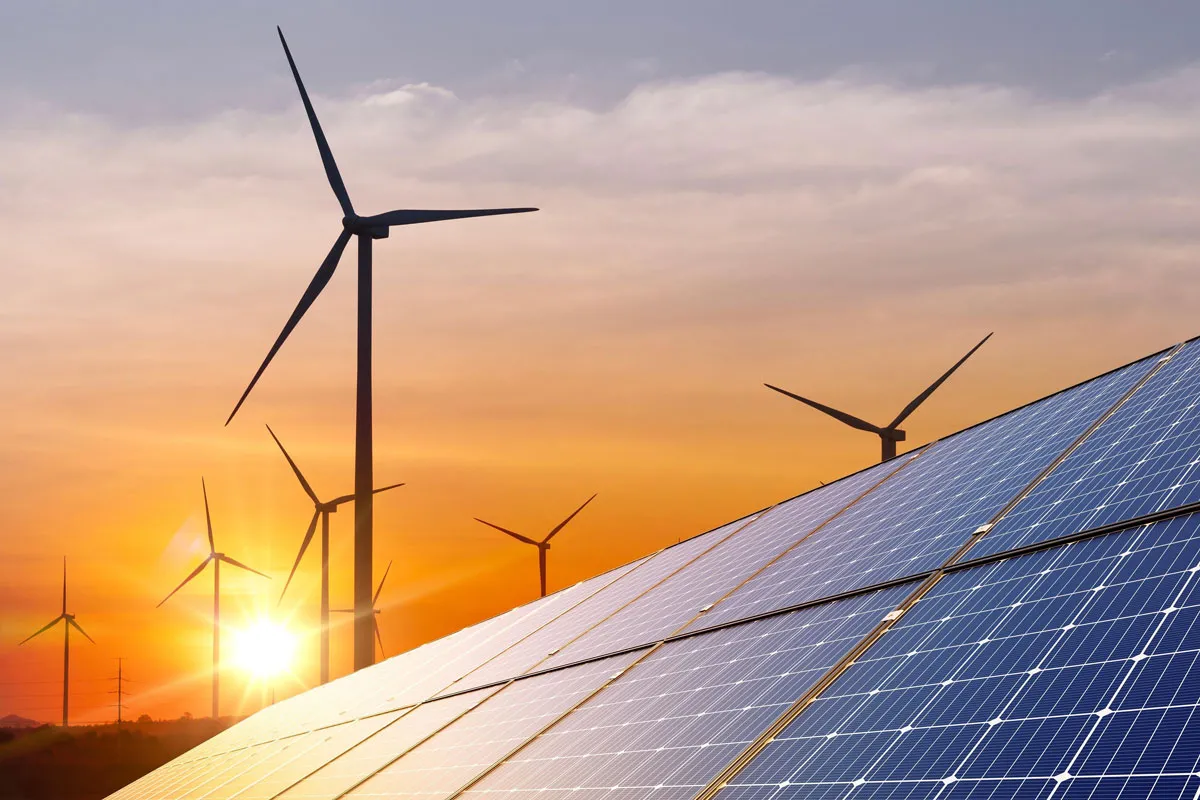
As of 31 October 2025, India’s total installed power generation capacity has reached 505.02 GW. Of this, 245.60 GW is derived from fossil-fuel sources, while 259.42 GW comes from non-fossil fuel sources, including 250.64 GW of renewable energy. The detailed composition of the country’s power mix is provided in the attached annexure.
The Government of India is pursuing multiple initiatives to accelerate renewable energy capacity and achieve its commitment of 500 GW of non-fossil fuel capacity by 2030. Key measures include waiving Inter-State Transmission System (ISTS) charges for inter-state sale of solar and wind power for eligible projects, and issuing Standard Bidding Guidelines for tariff-based competitive procurement of power from solar, wind, hybrid and firm renewable energy projects.
The Ministry of New & Renewable Energy has released a bidding trajectory for 50 GW of renewable power procurement annually from FY 2023–24 to FY 2027–28. Foreign Direct Investment up to 100 per cent is permitted under the automatic route. Transmission expansion is being funded through the Green Energy Corridor scheme, with a comprehensive transmission plan prepared up to 2032. Additionally, the Solar Parks and Ultra Mega Solar Power Projects Scheme continues to provide land and transmission support for large-scale installations.
Renewable uptake has also been strengthened through schemes such as PM-KUSUM, PM Surya Ghar Muft Bijli Yojana, the National Programme on High Efficiency Solar PV Modules, targeted solar initiatives for Tribal and PVTG habitations under PM JANMAN, the Dharti Aabha Janjatiya Gram Utkarsh Abhiyan, the National Green Hydrogen Mission and the viability gap funding scheme for offshore wind power.
To boost consumption of renewable power, the Renewable Purchase Obligation and Renewable Consumption Obligation trajectories have been notified up to 2029–30, with penalties applicable for non-compliance. The Renewable Consumption Obligation also mandates specified consumption from decentralised renewable sources. Tools such as the Green Term Ahead Market facilitate exchange-based trading of renewable energy.
India has also achieved a major milestone by ensuring that over 50 per cent of its installed electricity capacity now comes from non-fossil fuel sources—achieved in June 2025, more than five years ahead of the target set under its Nationally Determined Contributions to the Paris Agreement.
This progress supports India’s long-term energy transition objectives, balancing climate action with energy security, affordability and universal access. The country’s roadmap towards net-zero emissions by 2070 includes substantial diversification into clean and safe power sources.
Nuclear Expansion for Long-Term Energy Security
Nuclear power, with lifecycle emissions comparable to wind and hydro, is central to India’s clean power strategy. The government aims for 100 GW of nuclear capacity by 2047. Measures to support this include:
A Rs 200 billion Nuclear Energy Mission to develop at least five indigenously designed Small Modular Reactors by 2033.
Amendments to the Atomic Energy Act and Civil Liability for Nuclear Damage Act to facilitate private investment.
Development of Bharat Small Reactors of 220 MW based on PHWR technology, including for industrial hubs and repurposing retiring coal plants.
Expanded fuel security through new uranium discoveries, including reserves expected to extend Jaduguda mine life by 50 years.
A joint venture between NPCIL and NTPC—ASHVINI—to accelerate nuclear development.
Strengthening Storage and Grid Stability
To support high renewable penetration, the government has approved several storage and grid-modernisation initiatives:
A 13.22 GWh Battery Energy Storage System (BESS) programme supported by Rs 37.6 billion.
A further 30 GWh BESS programme approved in June 2025 with Rs 54 billion support from the Power System Development Fund.
Ten Pumped Storage Projects totalling 11,870 MW currently under construction.
Viability gap funding for the first 1 GW of offshore wind capacity.
Green Hydrogen Mission
The National Green Hydrogen Mission aims to establish at least 5 million tonnes per annum of green hydrogen capacity supported by an estimated 125 GW of renewable energy by 2030. This will drive decarbonisation across key sectors and open significant employment and economic opportunities.
Installed Capacity Breakdown (as at 31 October 2025)
Fossil Fuel Total: 245.60 GW
Non-Fossil Fuel Total: 259.42 GW
Renewable Energy: 250.64 GW
Nuclear: 8.78 GW
National Total: 505.02 GW
The information was provided by the Minister of State for Petroleum and Natural Gas, Shri Suresh Gopi, in a written reply in the Rajya Sabha.