IndiGrid reports Q2 profit dip despite strategic expansion
POWER & RENEWABLE ENERGY

IndiGrid reports Q2 profit dip despite strategic expansion

In the second quarter of the fiscal year 2024, India Grid Trust (IndiGrid), a power infrastructure investment trust, reported a profit of Rs 32.3 billion (~$388.91 million), reflecting a 69.1% year-over-year decrease from Rs 107.4 billion (~$1.29 billion). Despite this decline, the company experienced a 20% YoY increase in revenue, reaching Rs 6.95 billion (~$83.4 million), and a 4% YoY growth in consolidated earnings before interest, taxes, depreciation, and amortization (EBITDA) to Rs 5.58 billion (~$67 million).

The decrease in profit can be attributed to one-time integration expenses related to the acquisition of Virescent Renewable Energy Trust (VRET) for approximately Rs 40 billion (~$487 million), as well as fluctuations in deferred tax, changes in current tax expenses, and variations in income tax for previous years.

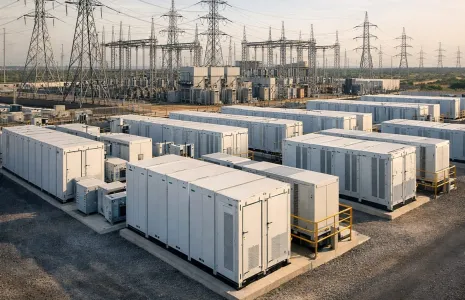
During the quarter, IndiGrid successfully secured a bid for a 20 MW/40 MWh Battery Energy Storage System (BESS) project from BRPL with a 12-year contract. However, the EBITDA for the quarter was affected by one-time integration expenses associated with the VRET acquisition, impacting profitability.

Despite the profit decline, IndiGrid achieved a collection rate of 114% for transmission assets and an impressive 127% for solar assets in the same quarter. The Distribution Per Unit (DPU) increased by approximately 3%, rising from Rs 3.45 ($0.04) in Q1 FY24 to Rs 3.55 ($0.04), representing a YoY growth of about 7.5%.

One notable accomplishment for IndiGrid was the significant expansion of its renewable energy portfolio, which grew from 138 MW to 676 MW, a fivefold increase largely due to the VRET acquisition. This expansion also led to an 18% growth in assets under management (AUM), reaching Rs 269 billion (~$3.2 million).

The net distributable cash flow increased by 10% compared to the previous year, totalling Rs 3.08 billion (~$36.9 million) in the quarter, demonstrating the company's financial strength.

In the broader market context, the average quarterly peak power demand in Q2 2024 reached 228.5 GW, showing a substantial annual increase of 17%. By September 2023, the installed capacity had expanded to 425.4 GW, indicating growth from the previous year's 407.8 GW.

Harsh Shah, Chief Executive Officer and Whole Time Director of IndiGrid, expressed satisfaction with the company's performance, highlighting the strong financial results, the successful acquisition of VRET, and the increase in solar capacity. He also announced IndiGrid's entry into the battery storage sector, securing a bid for a 20 MW/40 MWh BRPL BESS project. Looking ahead, Shah emphasised the company's commitment to generating superior and sustainable returns for investors through their AAA-rated balance sheet, resilient operations, and strategic acquisitions.

In the first half (1H) of the year, IndiGrid recorded a profit of Rs 126.5 billion ($1.52 billion), marking a 30% YoY decrease from Rs 180.6 billion (~$2.17 billion). The company's revenue for 1H amounted to Rs 92.68 billion (~$13.24 billion), reflecting a 15.9% YoY decrease. Additionally, IndiGrid secured an investment of Rs 11.4 billion (~$138.74 million) from the International Finance Corporation in its listed non-convertible debentures, which will be utilised to fund its refinancing needs for the fiscal year 2024.

In the second quarter of the fiscal year 2024, India Grid Trust (IndiGrid), a power infrastructure investment trust, reported a profit of Rs 32.3 billion (~$388.91 million), reflecting a 69.1% year-over-year decrease from Rs 107.4 billion (~$1.29 billion). Despite this decline, the company experienced a 20% YoY increase in revenue, reaching Rs 6.95 billion (~$83.4 million), and a 4% YoY growth in consolidated earnings before interest, taxes, depreciation, and amortization (EBITDA) to Rs 5.58 billion (~$67 million). The decrease in profit can be attributed to one-time integration expenses related to the acquisition of Virescent Renewable Energy Trust (VRET) for approximately Rs 40 billion (~$487 million), as well as fluctuations in deferred tax, changes in current tax expenses, and variations in income tax for previous years. During the quarter, IndiGrid successfully secured a bid for a 20 MW/40 MWh Battery Energy Storage System (BESS) project from BRPL with a 12-year contract. However, the EBITDA for the quarter was affected by one-time integration expenses associated with the VRET acquisition, impacting profitability. Despite the profit decline, IndiGrid achieved a collection rate of 114% for transmission assets and an impressive 127% for solar assets in the same quarter. The Distribution Per Unit (DPU) increased by approximately 3%, rising from Rs 3.45 ($0.04) in Q1 FY24 to Rs 3.55 ($0.04), representing a YoY growth of about 7.5%. One notable accomplishment for IndiGrid was the significant expansion of its renewable energy portfolio, which grew from 138 MW to 676 MW, a fivefold increase largely due to the VRET acquisition. This expansion also led to an 18% growth in assets under management (AUM), reaching Rs 269 billion (~$3.2 million). The net distributable cash flow increased by 10% compared to the previous year, totalling Rs 3.08 billion (~$36.9 million) in the quarter, demonstrating the company's financial strength. In the broader market context, the average quarterly peak power demand in Q2 2024 reached 228.5 GW, showing a substantial annual increase of 17%. By September 2023, the installed capacity had expanded to 425.4 GW, indicating growth from the previous year's 407.8 GW. Harsh Shah, Chief Executive Officer and Whole Time Director of IndiGrid, expressed satisfaction with the company's performance, highlighting the strong financial results, the successful acquisition of VRET, and the increase in solar capacity. He also announced IndiGrid's entry into the battery storage sector, securing a bid for a 20 MW/40 MWh BRPL BESS project. Looking ahead, Shah emphasised the company's commitment to generating superior and sustainable returns for investors through their AAA-rated balance sheet, resilient operations, and strategic acquisitions. In the first half (1H) of the year, IndiGrid recorded a profit of Rs 126.5 billion ($1.52 billion), marking a 30% YoY decrease from Rs 180.6 billion (~$2.17 billion). The company's revenue for 1H amounted to Rs 92.68 billion (~$13.24 billion), reflecting a 15.9% YoY decrease. Additionally, IndiGrid secured an investment of Rs 11.4 billion (~$138.74 million) from the International Finance Corporation in its listed non-convertible debentures, which will be utilised to fund its refinancing needs for the fiscal year 2024.

Next Story
Equipment

Schwing Stetter India Unveils New Innovations at Excon 2025

Schwing Stetter India unveiled more than 20 new machines at Excon 2025, marking one of its most significant showcases and introducing several India-first technologies to the construction equipment sector. The company launched the country’s first 56-metre boom pump designed and manufactured in India, the first fully electric truck mixer, the first CNG mixer variant and the first hybrid boom pump. Executives said the launch portfolio was engineered to support India’s move toward faster, greener and more vertically oriented infrastructure through advanced engineering, clean-energy solutions a..

Next Story
Infrastructure Energy

SEPC Resolves Hindustan Copper Dispute, Wins Rs 725 Mn Order

Engineering, procurement and construction firm SEPC Ltd has recently settled a dispute with Hindustan Copper Ltd (HCL) and secured a mining infrastructure order valued at Rs 725 million from the state-owned company. SEPC informed the stock exchanges that it has executed a settlement deed with HCL, bringing closure to all inter-se claims and counterclaims arising from arbitration proceedings. As part of the settlement, SEPC will receive Rs 304.5 million as full and final payment, marking the resolution of all pending disputes between the two entities. The company also stated that Hindustan Co..

Next Story
Infrastructure Energy

20% Ethanol Blending Cuts India’s CO2 Emissions by 73.6 Mn Tonnes

Union Road Transport and Highways Minister Nitin Gadkari recently said that India has reduced carbon dioxide emissions by 73.6 million metric tonnes due to the adoption of 20 per cent ethanol blending in petrol. He made the statement while replying to supplementary questions during the Question Hour in the Lok Sabha. Describing ethanol as a green fuel, the minister said it plays a key role in reducing pollution while also supporting higher incomes for farmers. He underlined that ethanol blending contributes both to environmental sustainability and rural economic growth. Nitin Gadkari also po..

Advertisement

Subscribe to Our Newsletter

Get daily newsletters around different themes from Construction world.

STAY CONNECTED

Advertisement

Advertisement

Advertisement

Advertisement

Open In App