+
Kosol Energie Targets Storage And Agricultural Solar Growth
POWER & RENEWABLE ENERGY

Kosol Energie Targets Storage And Agricultural Solar Growth

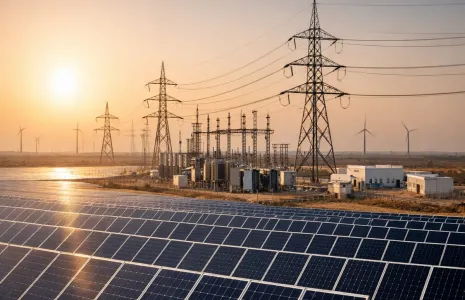
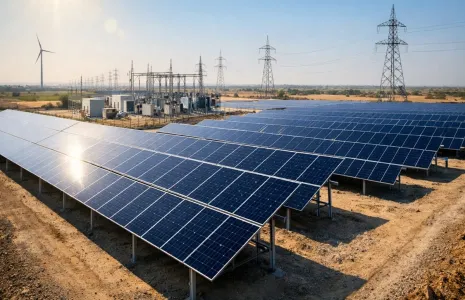
Kosol Energie is preparing to expand into battery energy storage systems and agricultural solar as its next growth engines, backed by a strong order pipeline and technology partnerships. Executive director Kayan Kalthia said the company has spent 15 years building a presence in the solar PV sector with a focus on quality and reliability amid intense price competition. The firm is prioritising quality over scale to retain customers and enter new markets.

The company earlier took projects with strict generation guarantees to build credibility and was part of an early rooftop tender, executing a two point five Megawatt (MW) project with SunEdison. More recently it received a letter of intent for 300 MW of rooftop installations under a broader one point one Gigawatt (GW) programme, making it the largest order winner and reflecting growing execution capability. The order book spans multiple verticals and supports further investment.

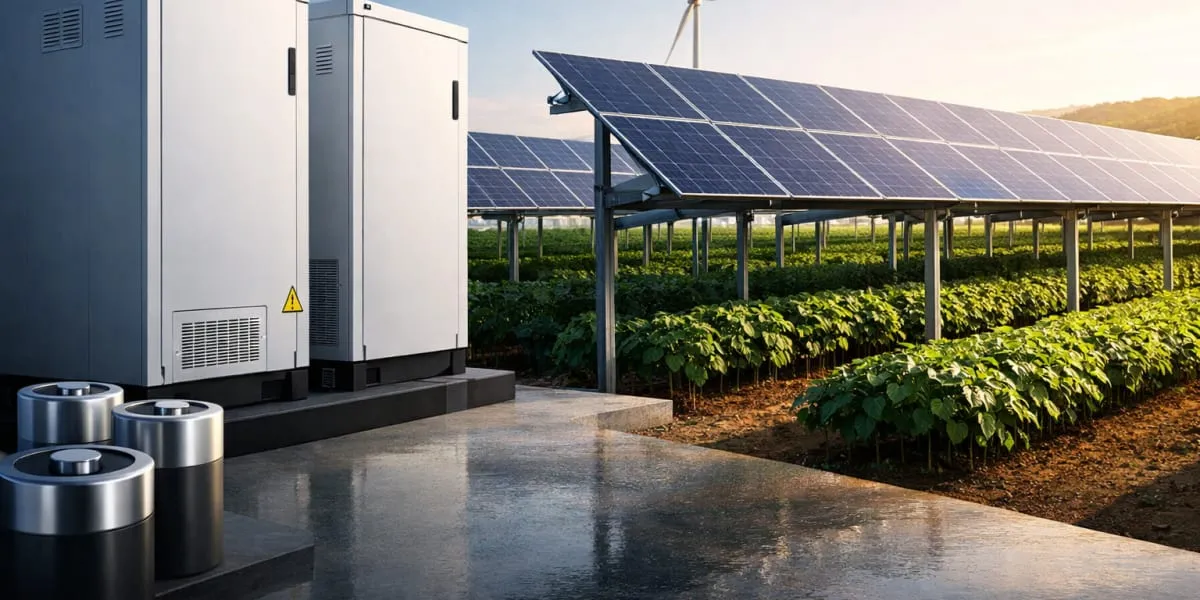
Kosol is expanding into BESS through a technical partnership with US-based Gridscale to bring battery software and system expertise to India. The company is focusing on increasing domestic value addition in components such as battery management systems and energy management systems to control performance and safety. It has also launched an AI driven microgrid planning platform that models energy use and recommends storage sizing and returns for developers and businesses.

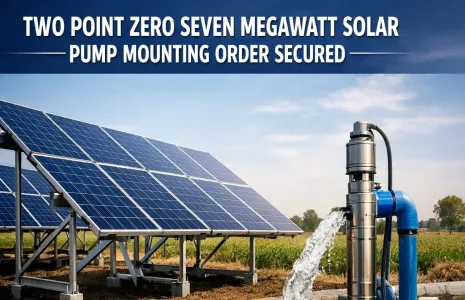
The agricultural division has installed more than 10,000 solar pumps across seven Indian states and over 200 districts, and the agriculture brand Koraam has become the company's most profitable vertical with solar based cold storage and other farmer-centric solutions. The firm reported an order book of more than Rs 40 billion (bn) across business segments and expects battery storage to attract many new entrants followed by consolidation as quality and reliability emerge as decisive factors. The executive said policy support should increasingly target research and skill development alongside financial incentives to capitalise on domestic strengths and reduce sectoral risk.

Kosol Energie is preparing to expand into battery energy storage systems and agricultural solar as its next growth engines, backed by a strong order pipeline and technology partnerships. Executive director Kayan Kalthia said the company has spent 15 years building a presence in the solar PV sector with a focus on quality and reliability amid intense price competition. The firm is prioritising quality over scale to retain customers and enter new markets. The company earlier took projects with strict generation guarantees to build credibility and was part of an early rooftop tender, executing a two point five Megawatt (MW) project with SunEdison. More recently it received a letter of intent for 300 MW of rooftop installations under a broader one point one Gigawatt (GW) programme, making it the largest order winner and reflecting growing execution capability. The order book spans multiple verticals and supports further investment. Kosol is expanding into BESS through a technical partnership with US-based Gridscale to bring battery software and system expertise to India. The company is focusing on increasing domestic value addition in components such as battery management systems and energy management systems to control performance and safety. It has also launched an AI driven microgrid planning platform that models energy use and recommends storage sizing and returns for developers and businesses. The agricultural division has installed more than 10,000 solar pumps across seven Indian states and over 200 districts, and the agriculture brand Koraam has become the company's most profitable vertical with solar based cold storage and other farmer-centric solutions. The firm reported an order book of more than Rs 40 billion (bn) across business segments and expects battery storage to attract many new entrants followed by consolidation as quality and reliability emerge as decisive factors. The executive said policy support should increasingly target research and skill development alongside financial incentives to capitalise on domestic strengths and reduce sectoral risk.

Related Stories

Gold Stories

Next Story
Infrastructure Urban

KONE Opens India's First Digital Experience Centre in Pune

KONE, a global elevator and escalator manufacturer, has inaugurated its first Digital Experience Centre (DEC) in India, located in Pune. The facility aims to showcase how artificial intelligence (AI), connectivity and data-driven technologies can enhance customer experiences and improve building operations.The centre was inaugurated by Jussi Herlin, Executive Vice Chair, KONE Corporation; Philippe Delorme, President and CEO, KONE; and Nandan Nilekani, Co-founder and Chairman of the Board, Infosys.Designed as an interactive customer environment, the facility demonstrates digital solutions cover..

Next Story
Infrastructure Urban

CII GreenCo Launches Circularity Guidelines for Indian Industry

The Confederation of Indian Industry (CII) GreenCo Council has launched the CII GreenCo Circularity Guidelines – Pilot Version at the 17th CII GreenCo Waste & Resource Management Summit 2026 in Chennai. The initiative aims to strengthen resource efficiency, waste reduction and circular economy practices across Indian manufacturing and process industries.The guidelines introduce a structured framework with circularity indices covering raw materials, consumables, packaging and other resource inputs. These indicators will help industries assess existing practices, identify opportunities to ..

Next Story
Infrastructure Energy

Global Electronics Association Launches IPC-1783-CO2E Standard

The Global Electronics Association has introduced IPC-1783-CO2E, a new international standard aimed at improving consistency, transparency and comparability in product carbon footprint reporting across the electronics manufacturing industry.The standard, titled International Standard for Data Collection and Reporting of CO2 Equivalent (CO2e) Emissions for the Electronics Manufacturing Supply Chain, provides industry-specific guidance for collecting, estimating and reporting carbon emissions data.With increasing regulatory requirements and customer expectations, electronics manufacturers face c..

Advertisement

Subscribe to Our Newsletter

Get daily newsletters around different themes from Construction world.

STAY CONNECTED

Advertisement

SPECIAL OFFER
QR Code