Kutch Copper Plans 115 MW Renewable Energy Integration
POWER & RENEWABLE ENERGY

Kutch Copper Plans 115 MW Renewable Energy Integration

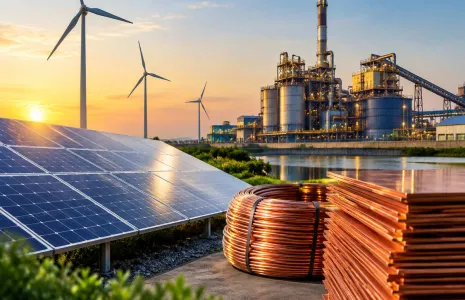
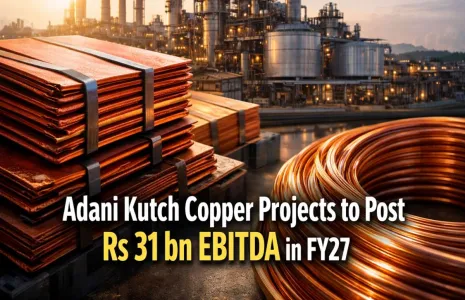
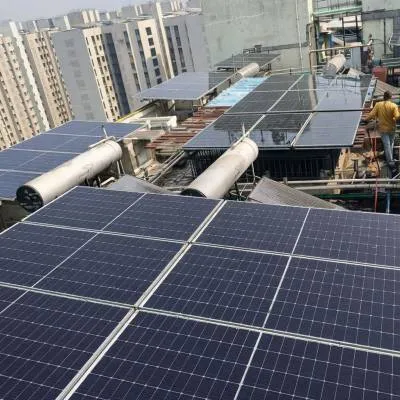
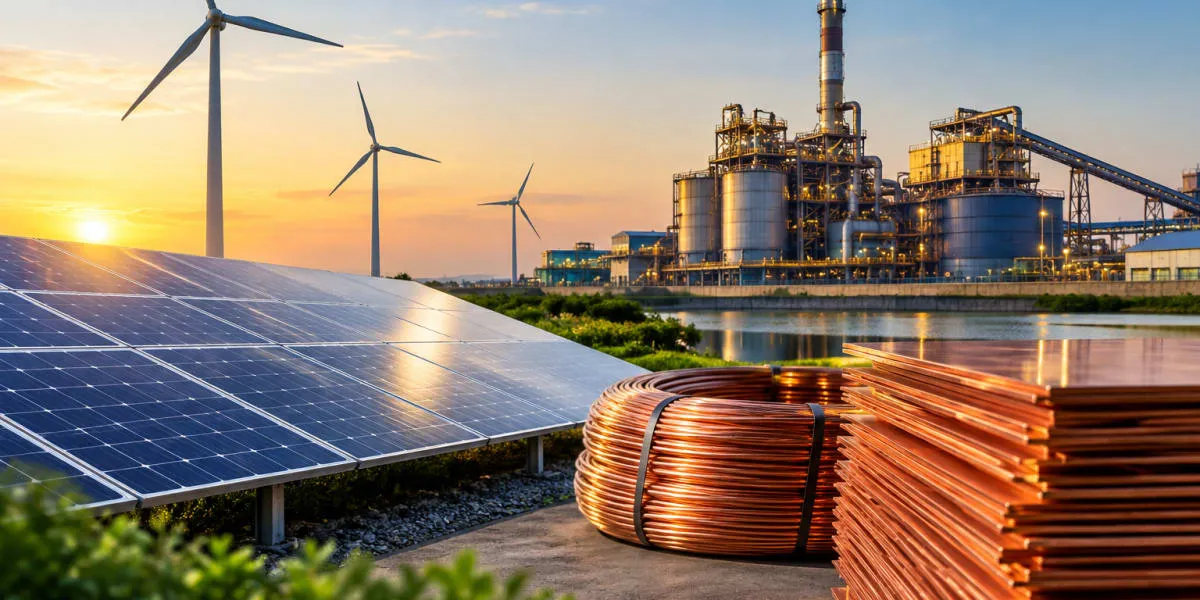
Kutch Copper, a subsidiary of Adani Enterprises, plans to integrate 115 MW of renewable energy into its copper refinery operations at Mundra in Gujarat. The initiative was outlined in the company’s maiden sustainability report for financial year 2025–26 and is intended to reduce operational carbon emissions, conserve water and improve resource efficiency.

The company currently operates a copper smelter with a capacity of 500,000 t per annum. It plans to expand this to 1 mn t per annum, making it a planned single-location custom smelter of global scale. The Adani Group has committed $1.2 bn to the project, with renewable-energy supply forming part of its broader environmental, social and governance strategy.

Copper smelting uses heat and chemical processes to extract copper from ore or concentrates. The metal is widely used in electrical wiring, power transmission, electric vehicles and renewable-energy equipment because of its electrical conductivity. The planned capacity expansion is therefore aligned with rising demand linked to electrification and clean-energy infrastructure.

Kutch Copper reports that its operations use nearly 100 per cent desalinated water and follow a zero-liquid-discharge approach. Desalination converts seawater or brackish water into freshwater, while zero-liquid-discharge systems treat wastewater for recovery and reuse, avoiding liquid effluent discharge. The company also reports treating 99.8 per cent of its sulphur emissions before release.

Copper production and environmental management are part of the industrial context for India’s energy transition. India announced its target of achieving net-zero emissions by 2070 at the 2021 United Nations Climate Change Conference, known as COP26. Copper’s chemical symbol is Cu and its atomic number is 29; it is a non-ferrous metal and a good conductor of electricity.

Kutch Copper, a subsidiary of Adani Enterprises, plans to integrate 115 MW of renewable energy into its copper refinery operations at Mundra in Gujarat. The initiative was outlined in the company’s maiden sustainability report for financial year 2025–26 and is intended to reduce operational carbon emissions, conserve water and improve resource efficiency. The company currently operates a copper smelter with a capacity of 500,000 t per annum. It plans to expand this to 1 mn t per annum, making it a planned single-location custom smelter of global scale. The Adani Group has committed $1.2 bn to the project, with renewable-energy supply forming part of its broader environmental, social and governance strategy. Copper smelting uses heat and chemical processes to extract copper from ore or concentrates. The metal is widely used in electrical wiring, power transmission, electric vehicles and renewable-energy equipment because of its electrical conductivity. The planned capacity expansion is therefore aligned with rising demand linked to electrification and clean-energy infrastructure. Kutch Copper reports that its operations use nearly 100 per cent desalinated water and follow a zero-liquid-discharge approach. Desalination converts seawater or brackish water into freshwater, while zero-liquid-discharge systems treat wastewater for recovery and reuse, avoiding liquid effluent discharge. The company also reports treating 99.8 per cent of its sulphur emissions before release. Copper production and environmental management are part of the industrial context for India’s energy transition. India announced its target of achieving net-zero emissions by 2070 at the 2021 United Nations Climate Change Conference, known as COP26. Copper’s chemical symbol is Cu and its atomic number is 29; it is a non-ferrous metal and a good conductor of electricity.

Related Stories

Gold Stories

Next Story
Resources

Kalpataru Projects International elevates Amit Uplenchwar as Joint MD and CEO

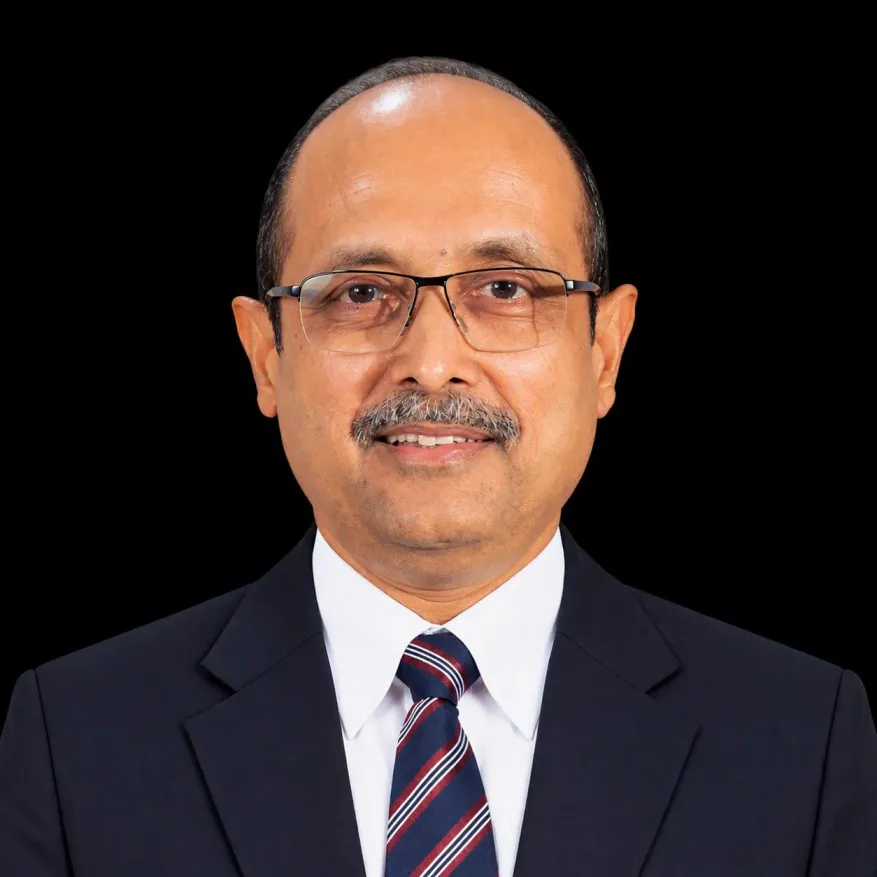
Kalpataru Projects International (KPIL) has elevated Amit Uplenchwar as Joint Managing Director and CEO (designate), following approval by its board on 5 November 2026. He will take charge as Additional Director, Joint Managing Director and CEO from 1 January 2027 for a five-year term ending 31 December 2031, subject to shareholders' approval.Uplenchwar brings over three decades of experience in corporate strategy, business operations, business development, mergers and acquisitions, and international business management. His experience spans transportation, power, water, oil and gas, aerospace..
Next Story
Resources

HCC appoints Vivek Singhal as CEO

Hindustan Construction Company (HCC) has appointed Vivek Singhal as Chief Executive Officer, effective 5 November 2026. He brings over four decades of experience in infrastructure and engineering, procurement and construction (EPC), covering project execution, business leadership, business development and profit and loss management.Singhal has spent 16 years in international markets, delivering projects and managing assets worth approximately Rs 285 billion across five countries. His experience spans airports, metro rail, urban transport, hydropower, bridges and other infrastructure sectors.He..
Next Story
Infrastructure Energy

Essar Signs PPA for 300 MW Hybrid Renewable Energy Project

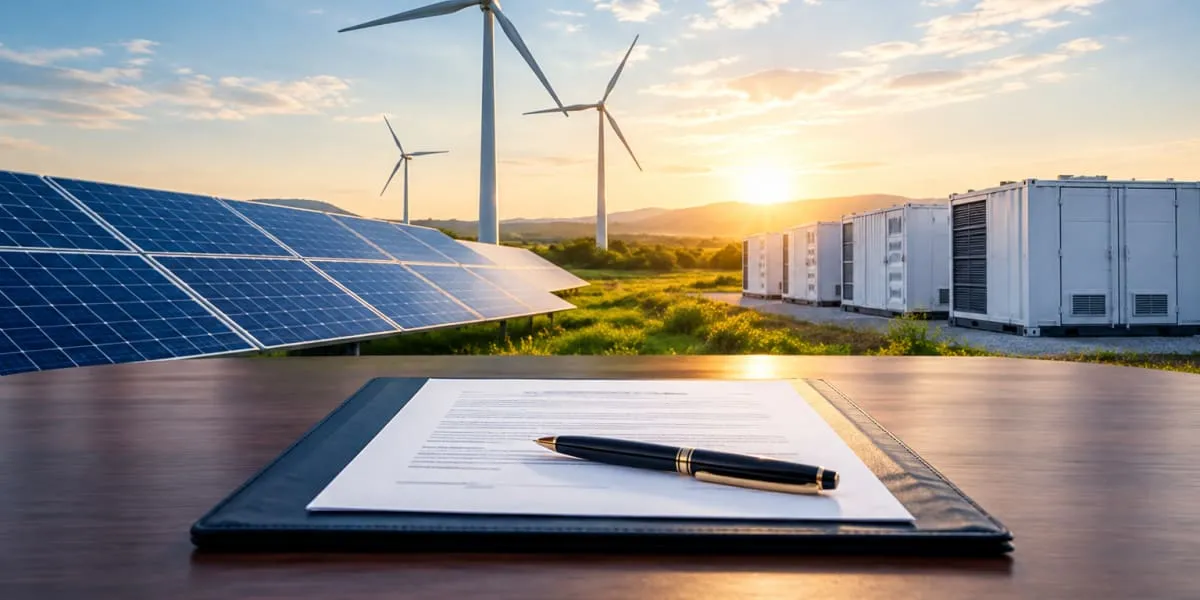
Essar Renewables, the renewable energy arm of Essar Power, has signed a Power Purchase Agreement (PPA) with NHPC for a 300 MW renewable energy project in Andhra Pradesh. The agreement follows the company’s successful bid for the project two years ago. Essar Power will invest approximately Rs. 45 bn in the development. The project will combine solar and wind generation with Battery Energy Storage Systems (BESS), enabling the supply of reliable and dispatchable renewable power. It forms part of Essar Power’s plan to build a diversified energy portfolio of approximately 5 GW across renewable,..

Advertisement

Subscribe to Our Newsletter

Get daily newsletters around different themes from Construction world.

STAY CONNECTED

Advertisement

SPECIAL OFFER
QR Code