+
New energy vehicles to gain acceptance by 2030: Survey
POWER & RENEWABLE ENERGY

New energy vehicles to gain acceptance by 2030: Survey

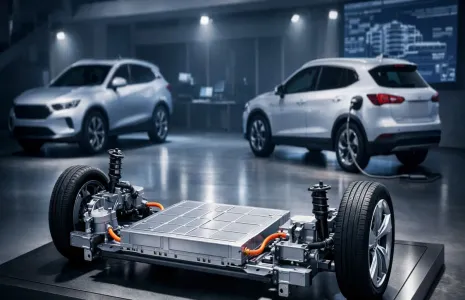
A recent survey revealed that a majority of new car buyers are expected to embrace new energy vehicles (NEVs) by 2030. According to the study conducted by Urban Science and The Harris Poll, around 83% of the 1,000 Indian participants said they would consider purchasing an NEV within the next decade. Additionally, buyers indicated a willingness to pay up to 49% more for an electric vehicle compared to a conventional petrol or diesel model.

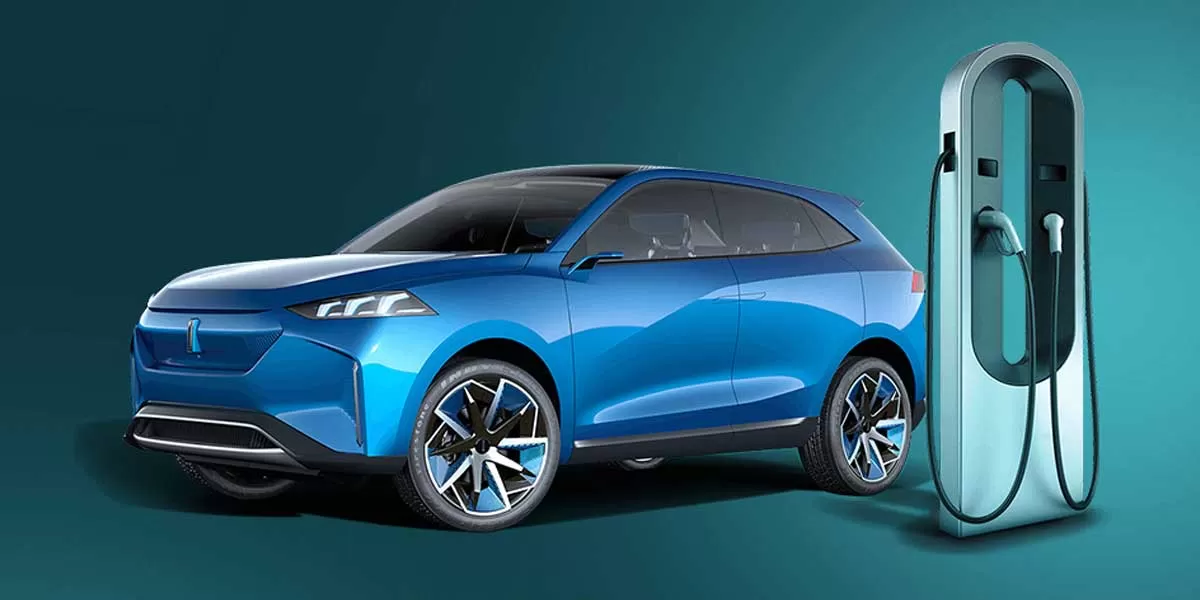
The growing acceptance of NEVs in India is attributed to the rapid expansion of the public EV charging network, with over 6,000 stations already in operation across major cities and highways. This number is projected to exceed 100,000 by 2027, further bolstering the positive outlook for electric mobility.

The survey highlighted India's need to access advanced technology and production scale, similar to what China has achieved in the electric vehicle (EV) sector. China's dominance in lithium-ion battery production, electric motors, and charging infrastructure serves as a valuable reference for India's EV ambitions. Collaborating with Chinese companies could help India accelerate its EV development, making electric cars more affordable and accessible. The survey emphasised that learning from China's large-scale EV projects could enable India to avoid common challenges and fast-track its transition to electric mobility.(ET)

A recent survey revealed that a majority of new car buyers are expected to embrace new energy vehicles (NEVs) by 2030. According to the study conducted by Urban Science and The Harris Poll, around 83% of the 1,000 Indian participants said they would consider purchasing an NEV within the next decade. Additionally, buyers indicated a willingness to pay up to 49% more for an electric vehicle compared to a conventional petrol or diesel model. The growing acceptance of NEVs in India is attributed to the rapid expansion of the public EV charging network, with over 6,000 stations already in operation across major cities and highways. This number is projected to exceed 100,000 by 2027, further bolstering the positive outlook for electric mobility. The survey highlighted India's need to access advanced technology and production scale, similar to what China has achieved in the electric vehicle (EV) sector. China's dominance in lithium-ion battery production, electric motors, and charging infrastructure serves as a valuable reference for India's EV ambitions. Collaborating with Chinese companies could help India accelerate its EV development, making electric cars more affordable and accessible. The survey emphasised that learning from China's large-scale EV projects could enable India to avoid common challenges and fast-track its transition to electric mobility.(ET)

Related Stories

Gold Stories

Next Story
Infrastructure Urban

Infrastructure Opportunity Outlook by IMPACCT.Info

India’s infrastructure pipeline is witnessing dynamic activity across stages — from immediate bidding to future planning. IMPACCT segments these into three categories: Immediate, 3–6 Month, and Future Opportunities, enabling businesses to identify, prepare, and participate in high-value tenders and projects across sectors.To read full article Click Here ..

Next Story
Real Estate

Glass, Reframed!

Glass façades, quintessential aesthetic building envelopes globally, have been widely adopted in India as well. But when the focus is high-performance building systems that deliver energy efficiency, comfort and architectural identity, glass isn’t the only preference. Combination solutions, involving glass and some other material, improve façade outcomes. Some combinations come at comparable prices, some at a higher price. Here is a selection of performance-oriented solutions...To read the full story Click Here ..

Next Story
Infrastructure Urban

Beyond Building Faster

India’s cities are expanding at an unprecedented pace, bringing new infrastructure and development opportunities while also intensifying challenges around mobility, public spaces, liveability and supporting infrastructure. The question, therefore, is not simply whether India can build faster, but whether it can build cities that work better.At a CW webinar, Are We Designing Better Cities – or Just Building Faster?, moderator Ar. Samir Shaikh, Founding Principal, AR&UD Studio, brought together perspectives from design, development, master planning and technology...To read the full artic..

Advertisement

Subscribe to Our Newsletter

Get daily newsletters around different themes from Construction world.

STAY CONNECTED

Advertisement

SPECIAL OFFER
QR Code