Noida Authority Approves AI City Plan and Related Projects
POWER & RENEWABLE ENERGY

Noida Authority Approves AI City Plan and Related Projects

Noida Authority has given in-principle approval to begin developing an artificial intelligence (AI) City-cum-business park and cleared proposals covering information technology (IT), IT-enabled services (ITES), automobile infrastructure, solar power and logistics. The decisions were taken at the authority’s 224th board meeting and include plans for zoning changes, telecommunications infrastructure and revised property fees.

The AI City will be developed under Uttar Pradesh’s Private Business Park Development Scheme, 2025. The authority will invite requests for proposals to select a master developer through competitive e-auction under a design, build, finance, operate and transfer model, while retaining ownership of the land. The development is expected to include global capability centres, research facilities, start-ups and skill development, with at least 50 per cent of built-up space reserved for IT and knowledge-based services. The initial lease will run for 45 years and may be extended by another 45 years.

A 68,000-square-metre plot in Sector 147 was approved for an institutional IT and ITES scheme aimed at creating a global capability centre hub and Grade-A office space. The board also approved a single-plot automobile complex on 12,596.64 square metres in Sector 105, with a floor area ratio of four, a maximum height of 20 metres and mandatory on-site parking. Construction must be completed in up to three phases within five years.

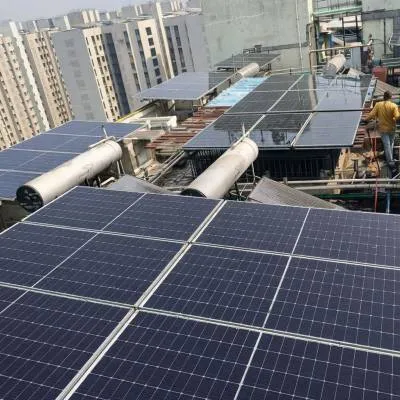
Solar plants with combined capacity of about 15 MW will be installed at sewage treatment plants, multi-level parking facilities and underground Gangajal reservoirs under a Renewable Energy Service Company (RESCO) model. About 8 MW will be installed at treatment plants and reservoirs and 7 MW at parking sites, with implementation through a power purchase agreement. The authority estimates the project could reduce emissions by about 500,000 t over 25 years.

The board approved zoning changes to facilitate 5 per cent developed residential plots for farmers whose land was acquired, with further amendments subject to public objections and state approval. It reduced the transfer fee for operational industrial units from 10 per cent to 7 per cent and lowered the delayed shareholding-reporting charge from Rs. 500 to Rs. 300. Telecom application fees of Rs. 0.1 mn for new towers, Rs. 0.15 mn for existing towers and a Rs. 0.3 mn bank guarantee were removed. The city logistics plan, updated building regulations and a joint committee with Greater Noida and Yamuna Expressway authorities were also approved.

Noida Authority has given in-principle approval to begin developing an artificial intelligence (AI) City-cum-business park and cleared proposals covering information technology (IT), IT-enabled services (ITES), automobile infrastructure, solar power and logistics. The decisions were taken at the authority’s 224th board meeting and include plans for zoning changes, telecommunications infrastructure and revised property fees. The AI City will be developed under Uttar Pradesh’s Private Business Park Development Scheme, 2025. The authority will invite requests for proposals to select a master developer through competitive e-auction under a design, build, finance, operate and transfer model, while retaining ownership of the land. The development is expected to include global capability centres, research facilities, start-ups and skill development, with at least 50 per cent of built-up space reserved for IT and knowledge-based services. The initial lease will run for 45 years and may be extended by another 45 years. A 68,000-square-metre plot in Sector 147 was approved for an institutional IT and ITES scheme aimed at creating a global capability centre hub and Grade-A office space. The board also approved a single-plot automobile complex on 12,596.64 square metres in Sector 105, with a floor area ratio of four, a maximum height of 20 metres and mandatory on-site parking. Construction must be completed in up to three phases within five years. Solar plants with combined capacity of about 15 MW will be installed at sewage treatment plants, multi-level parking facilities and underground Gangajal reservoirs under a Renewable Energy Service Company (RESCO) model. About 8 MW will be installed at treatment plants and reservoirs and 7 MW at parking sites, with implementation through a power purchase agreement. The authority estimates the project could reduce emissions by about 500,000 t over 25 years. The board approved zoning changes to facilitate 5 per cent developed residential plots for farmers whose land was acquired, with further amendments subject to public objections and state approval. It reduced the transfer fee for operational industrial units from 10 per cent to 7 per cent and lowered the delayed shareholding-reporting charge from Rs. 500 to Rs. 300. Telecom application fees of Rs. 0.1 mn for new towers, Rs. 0.15 mn for existing towers and a Rs. 0.3 mn bank guarantee were removed. The city logistics plan, updated building regulations and a joint committee with Greater Noida and Yamuna Expressway authorities were also approved.

Related Stories

Gold Stories

Next Story
Infrastructure Energy

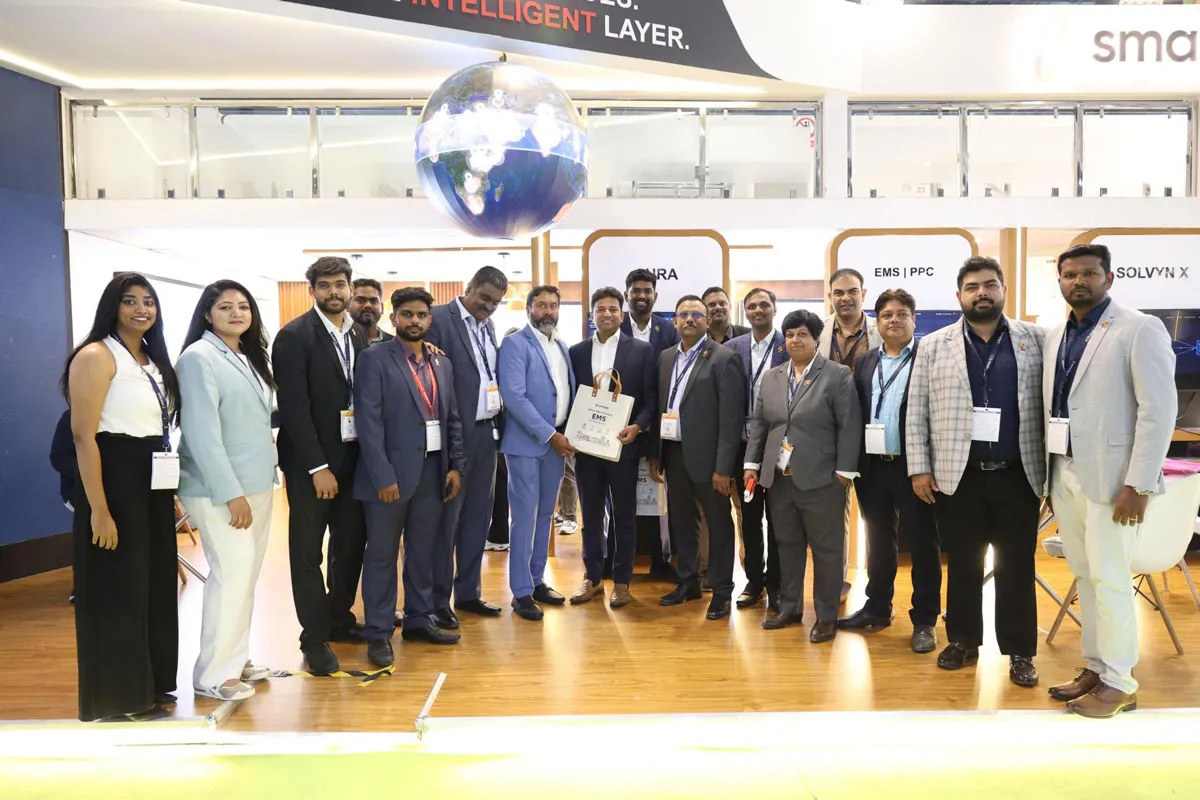
Smartgrid Launches Solvyn AURA, Targets 200 GW in India

Smartgrid Analytics has launched Solvyn AURA, an indigenous AI-powered decision and revenue intelligence platform for renewable energy and battery storage. The company plans to serve more than 200 GW of renewable energy project capacity in India over the next five years.Shri Manu Srivastava, IAS, Government of Madhya Pradesh, launched the platform at the Smartgrid Analytics booth during Renewable Energy India Expo 2026.The company has signed an agreement with BluPine Energy and other independent power producers (IPPs) to deploy AURA across a portfolio exceeding 1 GWh in Andhra Pradesh, Karnata..
Next Story
Technology

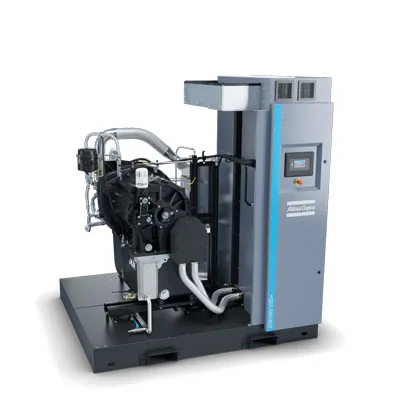
Atlas Copco Launches Oil-Free Booster for PET Blow-Moulding

Atlas Copco has launched the ZGH 100–200 VSD+, which it describes as the first standard oil-free rotary screw booster for PET blow-moulding applications. Unveiled at Drinktec India 2026, the system brings rotary screw technology to high-pressure air applications of up to 30 bar.The booster raises clean, dry air from 10 barg to 30 barg at the point of use. Traditionally, PET manufacturers have used centralised high-pressure systems, with piston boosters in dedicated compressor rooms and air distributed through extensive pipe networks. The ZGH can be installed close to a blow-moulding machine,..
Next Story
Infrastructure Urban

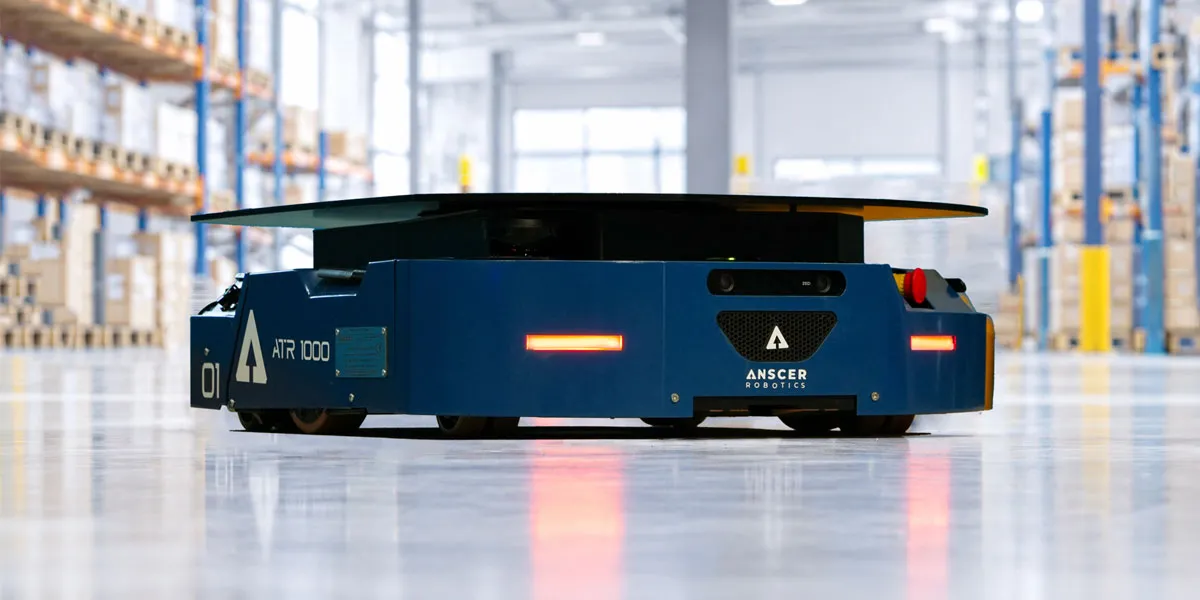
ANSCER Robotics Unveils 1,000 kg Autonomous Turntable Robot

ANSCER Robotics has unveiled the ATR 1000, an autonomous turntable robot designed to lift, rotate and transport loads of up to 1,000 kg. The company describes it as the most compact robot globally in its payload category. It has a footprint of less than one square metre and a turning diameter of 1,020 mm.The robot is designed to help manufacturers automate material movement between production processes, where transfers may still depend on manual handling. Its compact dimensions are intended to suit facilities with narrow aisles, closely positioned equipment and changing workflows. A maximum tr..

Advertisement

Subscribe to Our Newsletter

Get daily newsletters around different themes from Construction world.

STAY CONNECTED

Advertisement

SPECIAL OFFER
QR Code