Power Ministry notifies new scheme for discoms to pay off dues
POWER & RENEWABLE ENERGY

Power Ministry notifies new scheme for discoms to pay off dues

For the second time in two years, the Ministry of Power has notified a scheme for the power distribution companies (discoms) to defer their dues towards the power generating companies (gencos).

With the dues of the discoms touching a record high of Rs 1 trillion, the ministry has offered a scheme to liquidate the dues of discoms.

The proposed scheme would allow the discoms to pay their dues in 48 instalments, said the notification by the ministry.

It has also proposed to deliver one-time relaxation to all the discoms wherein the amount outstanding, including principal amount and late payment surcharge (LPSC) on the notification date of the scheme, will be frozen LPSC will not be charged further.

LPSC is imposed on the discoms when they do not pay their monthly dues in 90 days. All discoms' cumulative LPSC stands at Rs 6,839 crore.

The liquidation of outstanding dues in a deferred way without the imposition of LPSC will provide discoms time to shore up their finances. At the same time, gencos will benefit from guaranteed monthly payments which otherwise were not coming to them, the ministry said.

If the discoms delay the instalment payment, LPSC would be imposed on the total outstanding dues.

Under the new scheme, the power ministry claims the discoms will save Rs 19,833 crore on LPSC in the next 12 to 48 months. The savings by discoms will eventually benefit the electricity consumption by lowering the burden of LPSC in the retail tariff. The measure is likely to provide timely liquidation of arrears to the gencos. At the same time, it is being ensured that discoms pay their dues to gencos regularly, otherwise, supply by gencos will be decreased, said the ministry.

Dues of discoms to gencos are on a rise, at a time when the nation battles a coal and power shortage crisis.The dues to central government gencos, mainly NTPC Limited and NHPC Limited, among others, have seen a growth of 25%.

According to the government data, Tamil Nadu is the biggest defaulter, with Rs 20,842 crore dues, followed by Maharashtra, with Rs 18,000 crore dues, and Uttar Pradesh with Rs 9,000 crore dues to gencos.

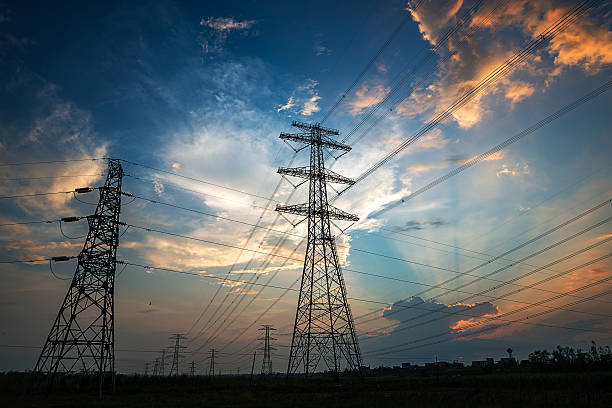
Image Source

Also read: Govt to launch revamped distribution scheme for power sector

For the second time in two years, the Ministry of Power has notified a scheme for the power distribution companies (discoms) to defer their dues towards the power generating companies (gencos). With the dues of the discoms touching a record high of Rs 1 trillion, the ministry has offered a scheme to liquidate the dues of discoms. The proposed scheme would allow the discoms to pay their dues in 48 instalments, said the notification by the ministry. It has also proposed to deliver one-time relaxation to all the discoms wherein the amount outstanding, including principal amount and late payment surcharge (LPSC) on the notification date of the scheme, will be frozen LPSC will not be charged further. LPSC is imposed on the discoms when they do not pay their monthly dues in 90 days. All discoms' cumulative LPSC stands at Rs 6,839 crore. The liquidation of outstanding dues in a deferred way without the imposition of LPSC will provide discoms time to shore up their finances. At the same time, gencos will benefit from guaranteed monthly payments which otherwise were not coming to them, the ministry said. If the discoms delay the instalment payment, LPSC would be imposed on the total outstanding dues. Under the new scheme, the power ministry claims the discoms will save Rs 19,833 crore on LPSC in the next 12 to 48 months. The savings by discoms will eventually benefit the electricity consumption by lowering the burden of LPSC in the retail tariff. The measure is likely to provide timely liquidation of arrears to the gencos. At the same time, it is being ensured that discoms pay their dues to gencos regularly, otherwise, supply by gencos will be decreased, said the ministry. Dues of discoms to gencos are on a rise, at a time when the nation battles a coal and power shortage crisis.The dues to central government gencos, mainly NTPC Limited and NHPC Limited, among others, have seen a growth of 25%. According to the government data, Tamil Nadu is the biggest defaulter, with Rs 20,842 crore dues, followed by Maharashtra, with Rs 18,000 crore dues, and Uttar Pradesh with Rs 9,000 crore dues to gencos. Image Source Also read: Govt to launch revamped distribution scheme for power sector

Next Story
Resources

Haworth India Hosts Women’s Leadership Panel Series

Haworth India marked International Women’s Day by hosting a leadership roundtable series titled ‘Give to Gain’, bringing together senior women leaders from architecture and design firms, corporates and project management consultancies. The series has been conducted in Delhi and Mumbai, with upcoming sessions scheduled in Bengaluru and Hyderabad on 27 March 2026. Structured as moderated panel discussions followed by audience interaction, the initiative examined the business impact of women’s leadership and the role of inclusive workplaces in supporting professional growth. Manish Khan..

Next Story
Real Estate

Max Estates Secures RERA For Max One Project

Max Estates has secured RERA approval (UPRERA No.: UPRERAPRJ9759) for its Max One development around Max Towers in Sector 16B, Noida, bringing renewed progress to a project previously stalled following the insolvency of its earlier developer. Spread across around 10 acres with an estimated development potential of about 2.5 million sq ft, Max One is planned as an integrated mixed-use campus combining serviced residences, premium offices, retail spaces and a private club. The project is expected to generate total sales potential of about Rs 20 billion along with an estimated annuity rental inc..

Next Story
Real Estate

Hindware Introduces Starc Smart Wall Mount Toilet

Hindware has introduced the Starc Smart Wall-Mount Toilet under its Hindware Italian Collection, designed to combine automation, hygiene and contemporary bathroom aesthetics. The model features automatic flushing, sensor-based seat opening and closing, and remote-controlled functions. It also includes an oscillating water spray and warm air dryer for cleaning, along with a self-cleaning nozzle designed to maintain hygiene. Additional features include adjustable heated seating, customisable water temperature and pressure settings, a foot-touch flush system and an LCD control interface. The wa..

Advertisement

Subscribe to Our Newsletter

Get daily newsletters around different themes from Construction world.

STAY CONNECTED

Advertisement

Advertisement

Advertisement