Rajasthan's Renewable Energy Capacity Reaches 52 GW
POWER & RENEWABLE ENERGY

Rajasthan's Renewable Energy Capacity Reaches 52 GW

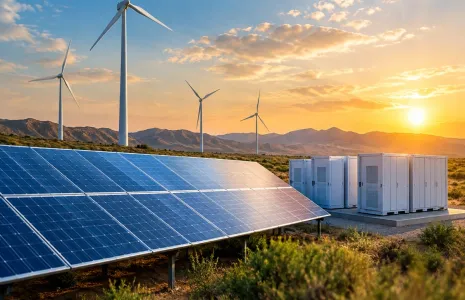
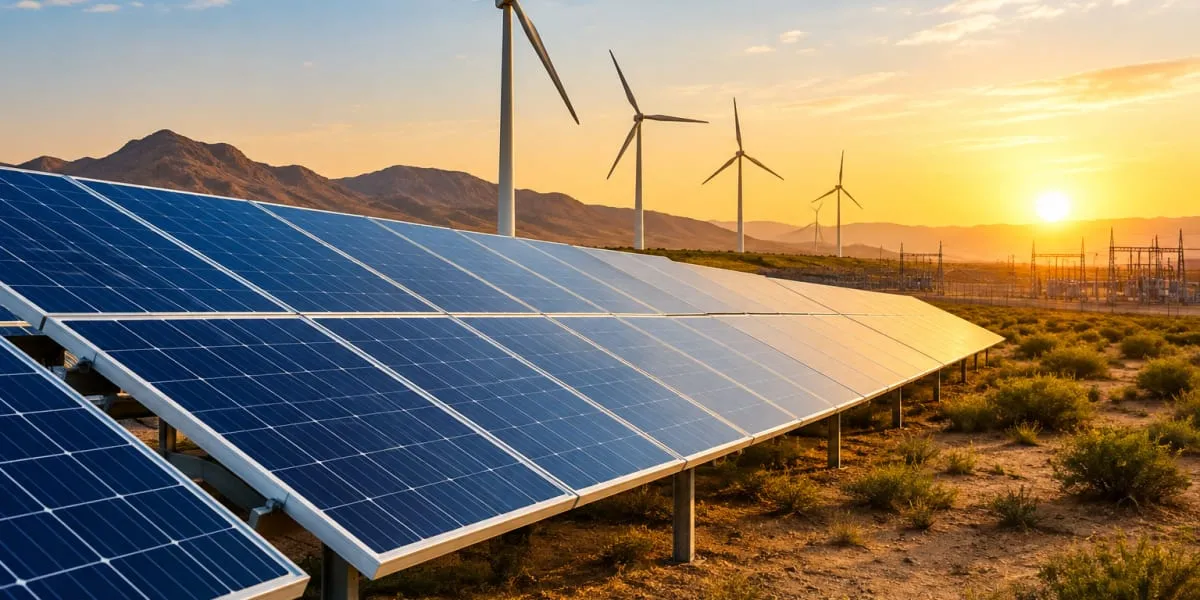
Rajasthan's installed renewable energy capacity has reached nearly 52 GW, including around 45 GW from solar power, Energy Minister Hiralal Nagar said at a distribution utility conference in Jaipur on October 27. The state added more than 28 GW in less than three years, highlighting the rapid expansion of its clean energy base. The increase has made renewable generation a central part of Rajasthan's electricity planning and infrastructure requirements.

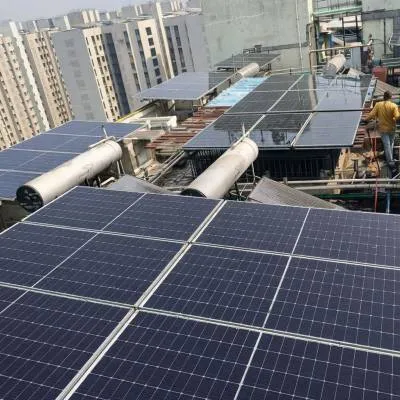
Nagar said rooftop solar adoption had accelerated through PM Surya Ghar, with systems installed in 355,000 households. Under PM-KUSUM, decentralised solar projects exceeding 5,500 MW had been commissioned, supplying daytime electricity to more than 375,000 farmers. The schemes have expanded access to distributed generation beyond large utility-scale projects and supported the wider use of solar power across the state.

The minister said Rajasthan was also prioritising upgrades to its power distribution companies to improve operating efficiency and consumer services. The programme includes smart meters, artificial intelligence (AI) and automation, which are intended to strengthen monitoring, billing and service delivery across the distribution network. Modernisation is being pursued alongside the expansion of renewable generation and the resulting changes in electricity flows.

Jaipur Discom recorded a profit of Rs. 9.31 bn in FY26, according to Nagar. The figure was presented as the state continued expanding renewable generation while seeking to improve the financial performance of utilities responsible for delivering electricity to consumers. Distribution reforms remain an important part of managing the growing scale of the power system.

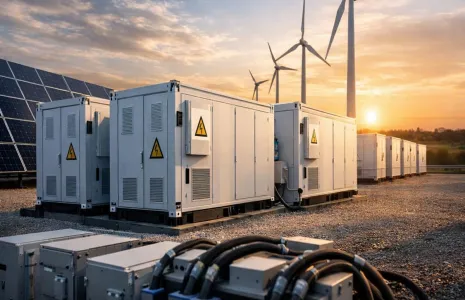
Chief Secretary V Srinivas said battery energy storage, grid modernisation and improved demand forecasting would be needed to manage rising consumption and integrate additional renewable power. These measures will support system stability as solar generation grows and electricity demand patterns become more complex.

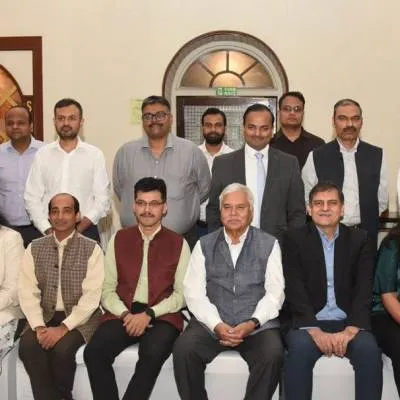
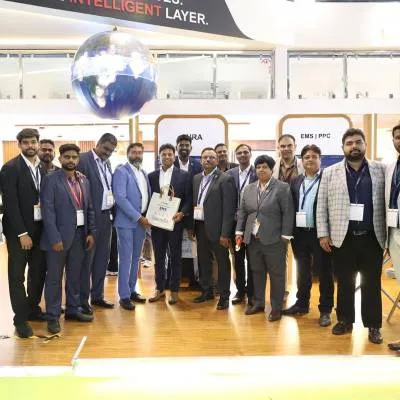
Rajasthan is hosting the two-day Distribution Utility Meet for the first time. Distribution companies from across India are discussing financial reforms, smart grids, cybersecurity and emerging energy technologies at the conference, which is being held in Jaipur.

Rajasthan's installed renewable energy capacity has reached nearly 52 GW, including around 45 GW from solar power, Energy Minister Hiralal Nagar said at a distribution utility conference in Jaipur on October 27. The state added more than 28 GW in less than three years, highlighting the rapid expansion of its clean energy base. The increase has made renewable generation a central part of Rajasthan's electricity planning and infrastructure requirements. Nagar said rooftop solar adoption had accelerated through PM Surya Ghar, with systems installed in 355,000 households. Under PM-KUSUM, decentralised solar projects exceeding 5,500 MW had been commissioned, supplying daytime electricity to more than 375,000 farmers. The schemes have expanded access to distributed generation beyond large utility-scale projects and supported the wider use of solar power across the state. The minister said Rajasthan was also prioritising upgrades to its power distribution companies to improve operating efficiency and consumer services. The programme includes smart meters, artificial intelligence (AI) and automation, which are intended to strengthen monitoring, billing and service delivery across the distribution network. Modernisation is being pursued alongside the expansion of renewable generation and the resulting changes in electricity flows. Jaipur Discom recorded a profit of Rs. 9.31 bn in FY26, according to Nagar. The figure was presented as the state continued expanding renewable generation while seeking to improve the financial performance of utilities responsible for delivering electricity to consumers. Distribution reforms remain an important part of managing the growing scale of the power system. Chief Secretary V Srinivas said battery energy storage, grid modernisation and improved demand forecasting would be needed to manage rising consumption and integrate additional renewable power. These measures will support system stability as solar generation grows and electricity demand patterns become more complex. Rajasthan is hosting the two-day Distribution Utility Meet for the first time. Distribution companies from across India are discussing financial reforms, smart grids, cybersecurity and emerging energy technologies at the conference, which is being held in Jaipur.

Related Stories

Gold Stories

Next Story
Equipment

Terex to Acquire Keestrack, Expanding Crushing Portfolio

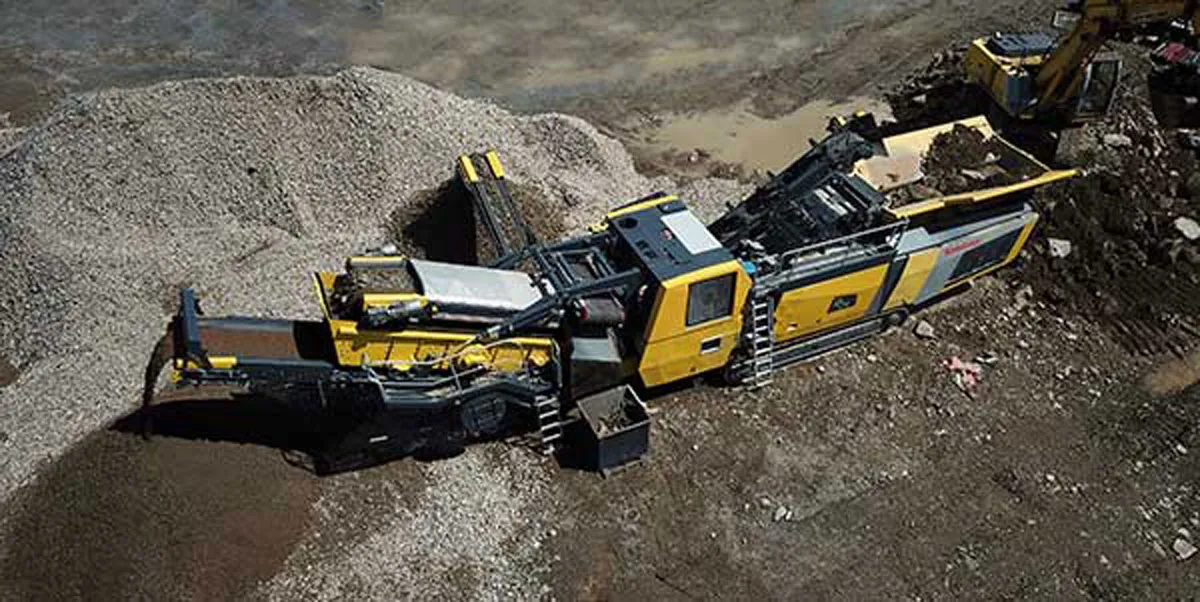
Terex Corporation has signed a definitive agreement to acquire Keestrack, a manufacturer of mobile crushing, screening and related equipment for the aggregates, recycling, construction and demolition industries. Financial terms were not disclosed.Founded in Belgium in 1988, Keestrack serves customers in more than 65 countries through a network of over 70 distributors. The acquisition will expand Terex Materials Processing’s crushing and screening portfolio and add manufacturing and distribution capabilities.After completion, Keestrack will continue as an independent brand within the Terex Ma..
Next Story
Infrastructure Energy

IES Taskforce Reviews Final Report on Power-Sector Digital Platform

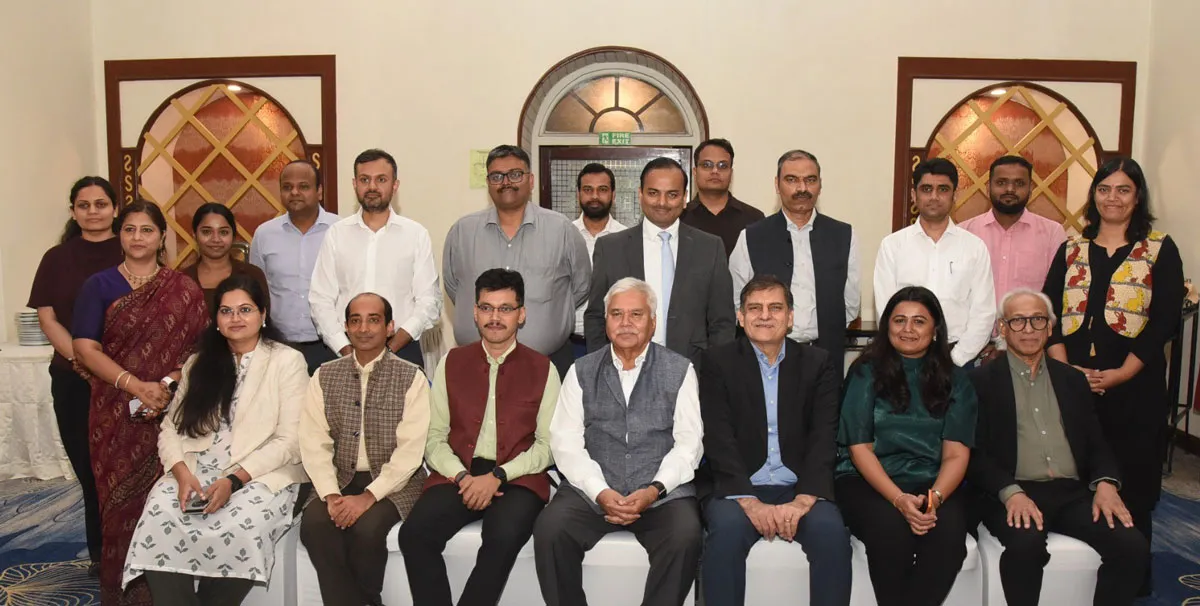
The India Energy Stack (IES) Taskforce has reviewed its Final Report in New Delhi. The document sets out a strategy, architecture, governance framework and pathway to scale IES as digital public infrastructure for India’s power sector. The Ministry of Power constituted the Taskforce in June 2025.The report was presented by Prince Dhawan, Executive Director, REC Limited, and Swetha Ravi Kumar, Executive Director, FSR Global. Dr Ram Sewak Sharma, Chairperson of the Taskforce, outlined the way forward.IES is a common set of open standards and protocols designed to let utilities, regulators, mar..
Next Story
Infrastructure Urban

LANXESS, HINCOL Partner on Road Construction Technologies

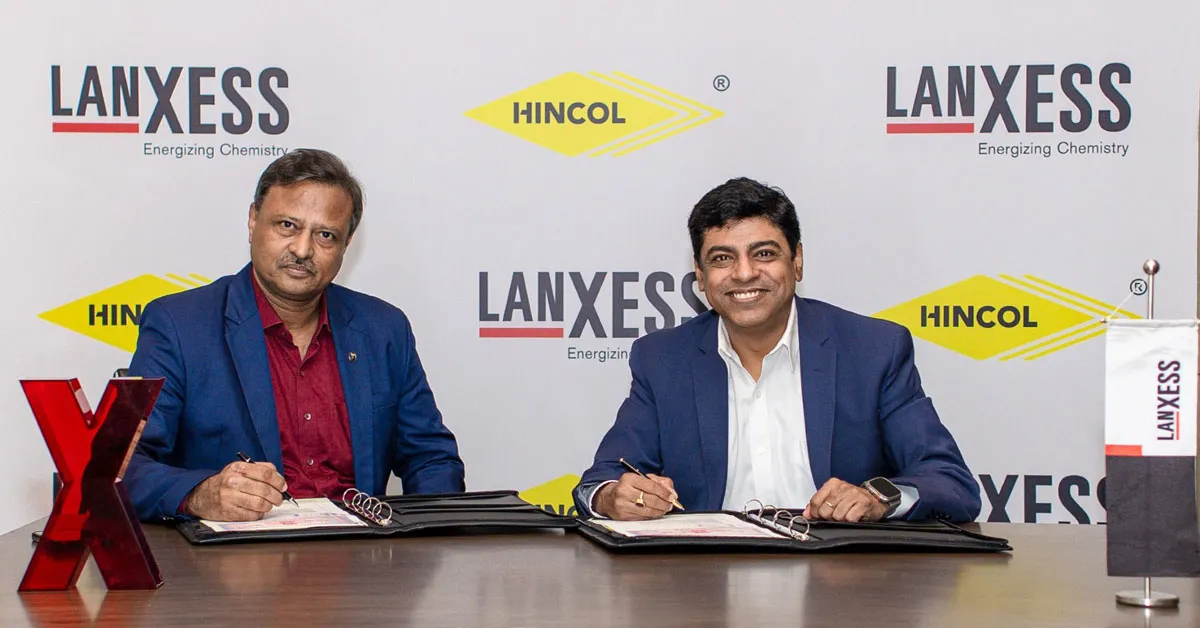
LANXESS India and Hindustan Colas Private Limited (HINCOL) have signed a Memorandum of Understanding to assess technical and commercial opportunities in bitumen and asphalt modification for India’s infrastructure market.The companies will conduct laboratory and commercial-scale evaluations of Addipave CR 36, LANXESS’ cross-linking technology for polymer-modified bitumen (PMB). LANXESS will provide the product, technical expertise and trial support, while HINCOL will contribute testing facilities, operational support and performance assessments under local conditions. The trials will examin..

Advertisement

Subscribe to Our Newsletter

Get daily newsletters around different themes from Construction world.

STAY CONNECTED

Advertisement

SPECIAL OFFER
QR Code