Sterlite Power's Goa-Tamnar Project Completed
POWER & RENEWABLE ENERGY

Sterlite Power's Goa-Tamnar Project Completed

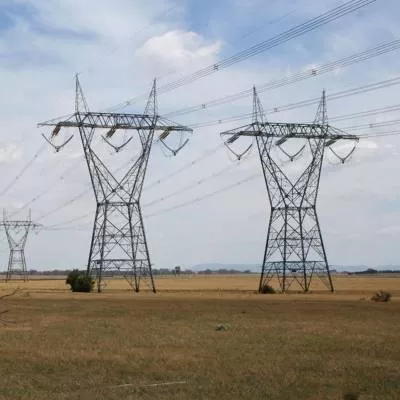
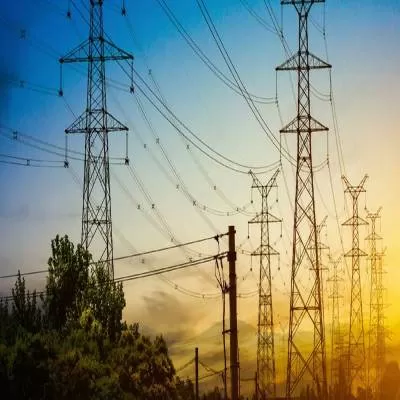
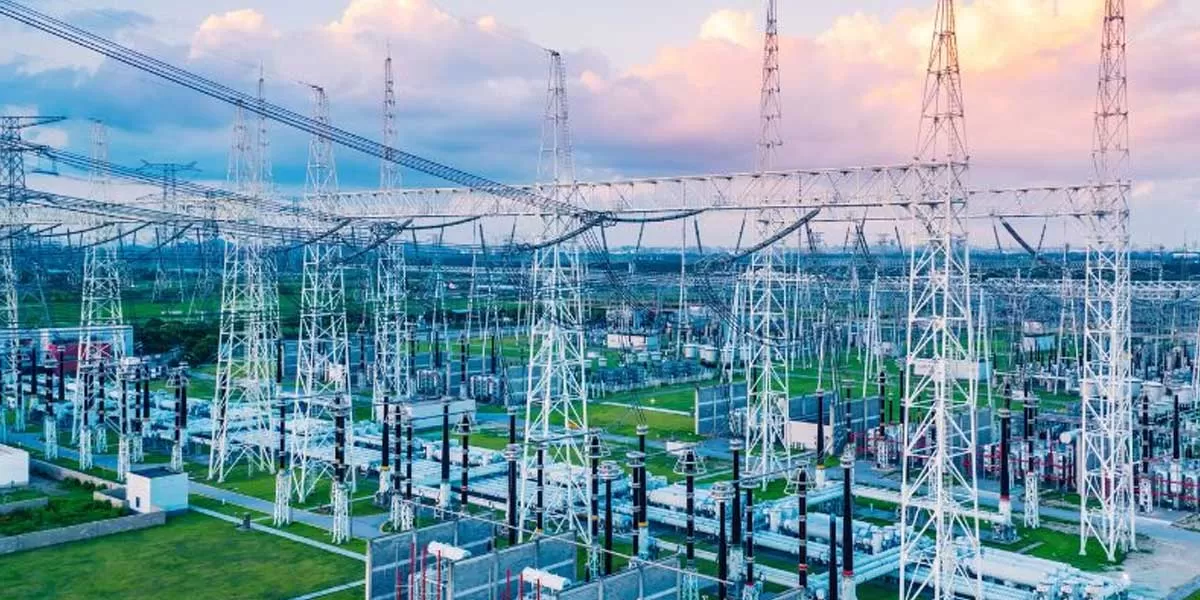
Sterlite Power has successfully completed the Goa-Tamnar Transmission Project (GTTP), a key initiative to bolster power infrastructure and ensure reliable electricity supply in Goa and nearby regions. The project, executed under strict timelines, integrates advanced technologies to meet growing energy demands. Key Features of the GTTP: Enhanced Transmission Capacity:

The project significantly boosts power transmission capability to address Goa’s increasing electricity demand. Geographical Span:

The transmission line spans Goa, Chhattisgarh, and Karnataka, providing seamless energy connectivity. Technological Advancements:

Uses state-of-the-art conductors and grid technology to ensure efficiency and reliability. Timely Completion:

Despite challenges like difficult terrain and monsoon delays, the project adhered to its schedule, reflecting Sterlite Power's operational efficiency. Impact on Goa’s Energy Landscape: Addressing Energy Shortages:

Goa has faced frequent power outages due to transmission bottlenecks. The GTTP ensures a steady and reliable electricity supply to consumers. Supporting Economic Growth:

Reliable power is crucial for industrial, commercial, and residential growth in the state, contributing to Goa’s economic development. Green Energy Integration:

The project facilitates the integration of renewable energy sources, supporting India’s shift toward sustainable energy. Sterlite Power's Expertise: Global Operations: The company is recognized for its expertise in designing, building, and operating complex transmission projects worldwide. Focus on Innovation: GTTP underscores Sterlite’s commitment to deploying innovative solutions for modern energy challenges. Challenges Overcome: Environmental Sensitivities: The project required extensive environmental clearances, given Goa’s ecological richness. Public Opposition: Initial resistance from local communities was resolved through dialogue and engagement initiatives. Future Prospects: Energy Reliability: Strengthened infrastructure will help Goa cope with peak power demand during the tourist season. Regional Benefits: Connectivity across states enhances grid stability, benefiting the broader region. Conclusion: Sterlite Power’s completion of the Goa-Tamnar Transmission Project marks a significant milestone in India’s energy infrastructure development. By addressing Goa’s power challenges and supporting regional energy needs, the project stands as a testament to engineering excellence and sustainability.

Sterlite Power has successfully completed the Goa-Tamnar Transmission Project (GTTP), a key initiative to bolster power infrastructure and ensure reliable electricity supply in Goa and nearby regions. The project, executed under strict timelines, integrates advanced technologies to meet growing energy demands. Key Features of the GTTP: Enhanced Transmission Capacity: The project significantly boosts power transmission capability to address Goa’s increasing electricity demand. Geographical Span: The transmission line spans Goa, Chhattisgarh, and Karnataka, providing seamless energy connectivity. Technological Advancements: Uses state-of-the-art conductors and grid technology to ensure efficiency and reliability. Timely Completion: Despite challenges like difficult terrain and monsoon delays, the project adhered to its schedule, reflecting Sterlite Power's operational efficiency. Impact on Goa’s Energy Landscape: Addressing Energy Shortages: Goa has faced frequent power outages due to transmission bottlenecks. The GTTP ensures a steady and reliable electricity supply to consumers. Supporting Economic Growth: Reliable power is crucial for industrial, commercial, and residential growth in the state, contributing to Goa’s economic development. Green Energy Integration: The project facilitates the integration of renewable energy sources, supporting India’s shift toward sustainable energy. Sterlite Power's Expertise: Global Operations: The company is recognized for its expertise in designing, building, and operating complex transmission projects worldwide. Focus on Innovation: GTTP underscores Sterlite’s commitment to deploying innovative solutions for modern energy challenges. Challenges Overcome: Environmental Sensitivities: The project required extensive environmental clearances, given Goa’s ecological richness. Public Opposition: Initial resistance from local communities was resolved through dialogue and engagement initiatives. Future Prospects: Energy Reliability: Strengthened infrastructure will help Goa cope with peak power demand during the tourist season. Regional Benefits: Connectivity across states enhances grid stability, benefiting the broader region. Conclusion: Sterlite Power’s completion of the Goa-Tamnar Transmission Project marks a significant milestone in India’s energy infrastructure development. By addressing Goa’s power challenges and supporting regional energy needs, the project stands as a testament to engineering excellence and sustainability.

Next Story
Infrastructure Urban

India Expands Semiconductor Training To 500 Institutions

Under the Chips to Startups programme of the India Semiconductor Mission, the Union minister responsible for Railways, Information and Broadcasting, and Electronics and IT reported notable progress in talent development. He indicated that over the past four years substantial steps have been taken towards a 10-year target of training 85,000 engineers in semiconductor design. World-class EDA tools have been deployed in 315 academic institutions across the country to provide students with practical exposure to chip design. These EDA tools are supported by leading global firms and are accessible t..

Next Story
Infrastructure Urban

Delhi Institutions Support India Semiconductor Mission

The Government of India has prioritised talent development through training, upskilling and workforce development under the Chips to Startups initiative of the India Semiconductor Mission, with officials noting progress in four years towards a 10-year target of training 85,000 engineers in semiconductor design. Electronic design automation tools provided by Synopsys, Cadence, Siemens, Renesas, Ansys and AMD have been deployed in 315 academic institutions, enabling students to gain practical chip design experience. Chips have been fabricated and tested at the Semiconductor Laboratory, Mohali, a..

Next Story
Infrastructure Urban

NHA Announces Winners Of NHCX Hackathon At IIT Hyderabad

The National Health Authority (NHA) has concluded the NHCX Hackathon under the Ayushman Bharat Digital Mission (ABDM) to stimulate innovation around the National Health Claims Exchange (NHCX). The winning teams presented their solutions at the NHCX Innovation Meet held at IIT Hyderabad during a two-day event in March 2026 that also served as the hackathon grand finale. The hackathon itself ran from 22 to 28 February 2026 and aimed to accelerate paperless, transparent claims processing across India. The event was organised with a range of ecosystem partners, including the Insurance Regulatory a..

Advertisement

Subscribe to Our Newsletter

Get daily newsletters around different themes from Construction world.

STAY CONNECTED

Advertisement

Advertisement

Advertisement