Surplus solar power by Gujarat discoms to be compensated at Rs 2.25/kWh
POWER & RENEWABLE ENERGY

Surplus solar power by Gujarat discoms to be compensated at Rs 2.25/kWh

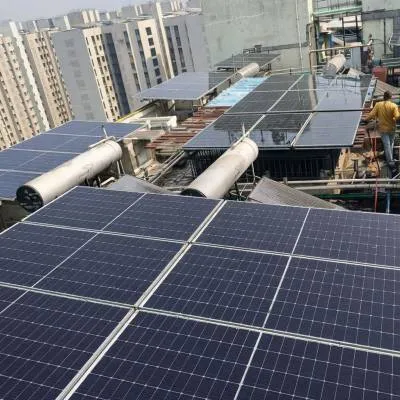
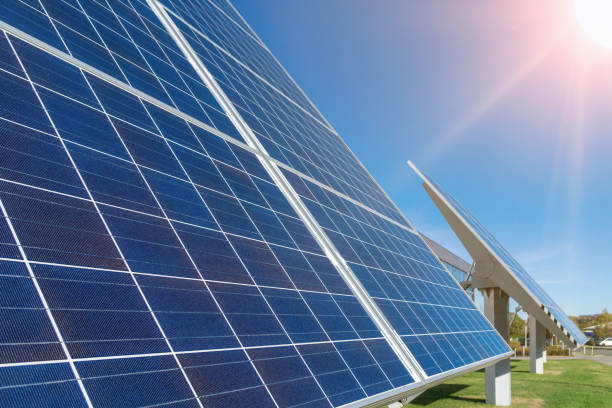
The Gujarat Electricity Regulatory Commission (GERC) allowed a petition seeking amendments in the tariff framework to procure solar power by distributing companies (discoms) and others. It passed out orders regarding the surplus solar power by micro, small, and medium enterprises (MSMEs).

Gujarat Urja Vikas Nigam (GUVNL) filed the petition, requesting amendments in the GERC Regulations, 2016.

GERCs, in their industrial policy in August 2020, announced that the solar project set up by the MSMEs with more than 50% of its contracted demand has increased its power consumption cycle from a 15-minute time block to 7 am to 6 am. The consumer will get time from 7 am to 6 pm to consume the solar energy, and the rest is banked. Earlier, in the 15-minute block energy, the energy which remains unconsumed had to be banked.

discoms will purchase any surplus solar energy unconsumed by the consumers, as per the energy accounting at Rs 2.25 per kWh instead of Rs 1.75 per kWh.

The GERC approved a switchover option for MSME projects approved before September 2019 to the mechanism mentioned in September 2020.

Gujarat has been making many amendments to encourage MSMEs solar project. In the year 2019, the government allowed MSME to install solar projects which are more than 100% of their contract demand. Later it allowed third-party open-access power by MSMEs by paying 100% of the cross-subsidy surcharge and additional surcharge to open access consumers.

Image Source


Also read: BHEL floats tenders for 8 MW solar station project in Mauritius

Also read: Hybrid, solar and wind energy projects of 9 GW to be set up soon

The Gujarat Electricity Regulatory Commission (GERC) allowed a petition seeking amendments in the tariff framework to procure solar power by distributing companies (discoms) and others. It passed out orders regarding the surplus solar power by micro, small, and medium enterprises (MSMEs). Gujarat Urja Vikas Nigam (GUVNL) filed the petition, requesting amendments in the GERC Regulations, 2016. GERCs, in their industrial policy in August 2020, announced that the solar project set up by the MSMEs with more than 50% of its contracted demand has increased its power consumption cycle from a 15-minute time block to 7 am to 6 am. The consumer will get time from 7 am to 6 pm to consume the solar energy, and the rest is banked. Earlier, in the 15-minute block energy, the energy which remains unconsumed had to be banked. discoms will purchase any surplus solar energy unconsumed by the consumers, as per the energy accounting at Rs 2.25 per kWh instead of Rs 1.75 per kWh. The GERC approved a switchover option for MSME projects approved before September 2019 to the mechanism mentioned in September 2020. Gujarat has been making many amendments to encourage MSMEs solar project. In the year 2019, the government allowed MSME to install solar projects which are more than 100% of their contract demand. Later it allowed third-party open-access power by MSMEs by paying 100% of the cross-subsidy surcharge and additional surcharge to open access consumers. Image Source Also read: BHEL floats tenders for 8 MW solar station project in Mauritius Also read: Hybrid, solar and wind energy projects of 9 GW to be set up soon

Next Story
Infrastructure Transport

Shivraj Chouhan Launches PMGSY IV and Announces Package for Madhya Pradesh

Union Minister Shivraj Singh Chouhan launched the Pradhan Mantri Gram Sadak Yojana (PMGSY) IV at Bhairunda in Sehore district during the 25 year celebrations and announced a development package for Madhya Pradesh. The programme was organised by the Union Ministry of Rural Development and attended by Chief Minister Dr Mohan Yadav, ministers of state, state ministers, legislators and senior officials from the centre and the state. The minister said the central government under the Prime Minister is committed to strengthening rural livelihoods through improved connectivity, housing and women's in..

Next Story
Infrastructure Urban

DMR Engineering Reports FY 25-26 Financial Results

DMR Engineering reported its half year results for the financial year ended 31 March 2026 and published full year figures on a standalone basis. Standalone revenue from operations decreased by 2.01 per cent year-over-year to Rs 102.58 million (mn), while profit after tax declined by 43.94 per cent to nine point five six mn, leaving a profit after tax margin of nine point zero five per cent. Earnings per share stood at Rs zero point nine two, a fall of 44.71 per cent year-over-year. The company attributed part of the decline to one-off provisioning for bad debts and additional financing charges..

Next Story
Infrastructure Urban

Atlanta Electricals Posts Strong FY26 Growth And Debt Free Finish

Atlanta Electricals reported audited consolidated results for the quarter and year ended 31 March 2026. The company recorded significant year-on-year revenue growth driven by capacity ramp-up at new facilities and higher utilisation at legacy plants. The announcement summarised operating improvements and strategic milestones achieved during the year. For Q4 the company reported revenue of Rs 7.48 bn and for FY26 revenue of Rs 18.52 bn, representing robust growth versus the prior year. EBITDA in Q4 was Rs. 1.49 bn and Rs. 3.44 bn for the full year, with margins expanding to 20 per cent in the q..

Advertisement

Subscribe to Our Newsletter

Get daily newsletters around different themes from Construction world.

STAY CONNECTED

Advertisement

Advertisement

Advertisement