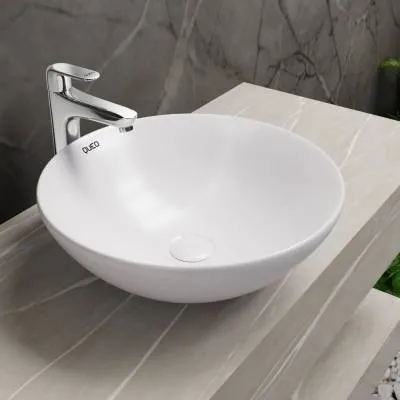
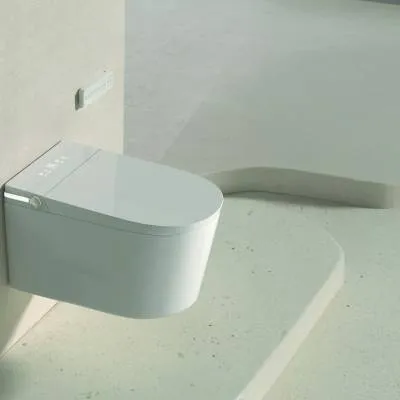
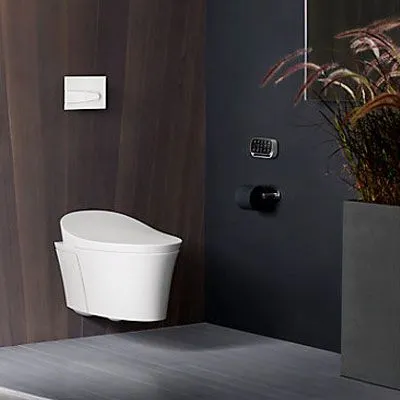
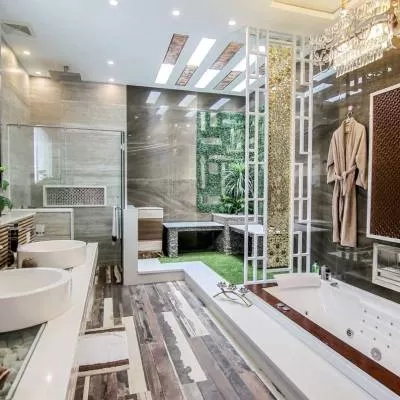
Hindware has been thriving. The building products company, which comprises sanitaryware, faucets, and plastic pipes and fittings has delivered strong revenue growth. The business reportedrevenue from operations of Rs 11.11 billion, registering a growth of 48 per cent year on year (Y-o-Y) in H1 FY23. EBITDA stood at Rs 1.14 billion, up 72 per cent on a Y-o-Y basis.For Q2FY23, the Building Products business reported revenues from operations worth Rs 5.76 billion higher by 19 per cent on a Y-o-Y basis, while EBITDA grew 16 per cent on a Y-o-Y basis to Rs 530 million. The sanitaryware and faucets business continues to post industry-leading growth on the back of its innovative product mix, new product launches and strengthened distribution and retail network despite rising input prices, such as gas. Sudhanshu Pokhriyal, CEO, Bath & Tiles, Hindware, in a virtual conversation with SHRIYAL SETHUMADHAVAN, elaborates upon factors that have led to the company’s growth and focus going forward.Tell us about the key factors that have contributed to the company’s growth.The market has been good. Post-pandemic, spending on the betterment of living spaces has increased. We have also seen demand for luxury housing surpassing ever-before numbers in all major cities in the country. That has been one of the key reasons. We have made use of this growth to increase distribution. We have expanded our presence across the country. We now have over 400 distributors. We have gone a different direction in comparison to how the industry works, where direct dealers exist. No other company is doing this in the way we are; they have large distributors who do wholesale in their area while we have segregated the large dealers and are going the consumer-centric route. Second, we have introduced many innovative products and have been innovative in our approach to our influencers, be it contractors, plumbers, architects or interior decorators. You can call them influencer programmes; I call them innovation in the process itself. Every company tries to do something with influencers but how you go about it is extremely critical.We have relaunched our brand, the Hindware Italian collection. We have been in the market for the past 60 years. Hence, we have to rejuvenate every once in a while, to ensure we stay relevant to new consumers and their requirements. For example, the products in demand from customers is different. If you offer them in the old brand, the attraction becomes a little less. We have launched new innovations with a new identity.We have also invested a lot in our institutional business. We have made a separate vertical so we can look at builder categories andHNI consumers differently. We do that through our brand Queo, which has seen a much higher growth than even the organisation. The expectations of someone buying a Rs 5 crore house is different from somebody who is buying a sub 1 crore house, or a 2BHK vs. a villa; the wellness features and finishes are different. So, we offer these through our luxury brand Queo.All these aspects have added to our growth. We have also successfully relaunched our tiles category, Hindware Italian tiles. It has been an exciting journey. All these components have been extremely important for our growth.Which building segments have been major contributors?The residential sector has been relatively stronger. In fact, the commercial sector, with an increase in e-commerce and work-from-home post-pandemic, was slower in comparison. But I am certain that going forward it will pick up. There has been a shift from the unorganised to the organised sector in real estate because of RERA and GST. Organised builders are increasing across the country. We are seeing improvements in the commercial sector and are expecting hospitality to boom in the coming years.These sectors go hand in hand. It is just a question of time– immediately after COVID-19 residential picked up, but now commercial is catching up too.How do you plan to leverage the strength of the company’s business capabilities, brand and distribution?There are many products in the pipeline that are hugely innovative on water-saving, faucet designs and technologies. But one of the key ones would be in terms of water-saving. As for future plans, there will be a lot of focus on Queo. We believe that is one market where we need to focus more investment. There is competition from international brands in the segment and consumers’ aspirations to buy luxury brands are increasing. We are seeing these international brands reduce their price points to expand their franchise among consumers. So, we will be focusing on this segment more. We also want to do far more in e-commerce and the B2C business. We will increase our export business and focus on international markets.How have you developed a distinctive connection with your customers over the years?For a mass business like Hindware Limited, it is critical to have top-of-the-mind recall and consumer preference. Advertising works for us in that regard. We are seeing more and more customers taking help from architects and interior designers, so influencer marketing has become an important part of our job. We have organised marketing programmes for both architects and plumbers; we connect with them and share our product features and USPs. We have a digitised sales tracking system so we know who is recommending what. Data analytics has become important for us to be able to influence. Maybe earlier, nearly 100 per cent of the spend was on preference building, but now it is less than half with a focus on influencer marketing, e-commerce and digital marketing.As for the bathware business, which cities do you already have a strong presence in, and which ones do you want to grow into? We are extremely strong in the north and the east; relatively in the south. We want to be stronger in Mumbai. It is a market that is doing well and high-end apartments are coming up, by the nature of the city. We have plans to expand to the city. When I joined the organisation, we created an institutional vertical, separately operating, which made large inroads across the country with builders. This is exactly what is required in this market; large purchases happen through builders and not really through individual customers initially.The bathware industry is divided into two major segments: sanitaryware and faucets. Tell us aboutHindware’s strengths in each?Our oldest legacy business is sanitaryware. We are known for our quality, design and customer assurance. The key to both sanitaryware and faucets is that we are No. 1 as an organisation in customer service. We address 95 per cent of complaints within 24 hours. We take consumer complaints in eight languages, seven different ways – through WhatsApp, IVR, email, app and dealers. Our customer service is right now rated the best in the industry. We do an NPS (Net Promoter Score), which is always positive. Additionally, our products are largely water-saving certified. Future innovations are going to take these to the next level. In terms of quality and durability, there is no comparison; we give a 10-year warranty.Reports indicate that the bath fittings industry in India is poised to grow at a CAGR of 9 per cent by 2027. What key factors will drive this growth?Every single house these days has as many bathrooms as bedrooms, sometimes more. Any project that goes into redevelopment is done to the new standards. Second, the awareness around sanitation created by the Government of India and to ensure there is a water connection to every household in the country is a driver in terms of volume. Another factor is that people are looking for premium products. Consumers are converting from the most basic EWC to a wall-mount product, which is efficient and aesthetic. Products like shower enclosures, steam generators and Bluetooth showers are now gaining popularity.With far more than 100 sanitaryware brands in India,how does Hindware keep itself ahead of the curve?We believe we will continue to beat the market growth by 1.25-1.5 times at least. There is a lot in the pipeline and we have consistently done well. There is no reason why we should not do well. We have the luxury of being India’s beloved brand in the market.To ensure future growth, what will be your focus?Our focus is on being relevant. We have to work on every single part of the value chain. Our products have to be competitive; brand building, consumer awareness and customer service is the key.