We are not just about beautifying spaces, we are transforming lifestyles
Real Estate

We are not just about beautifying spaces, we are transforming lifestyles

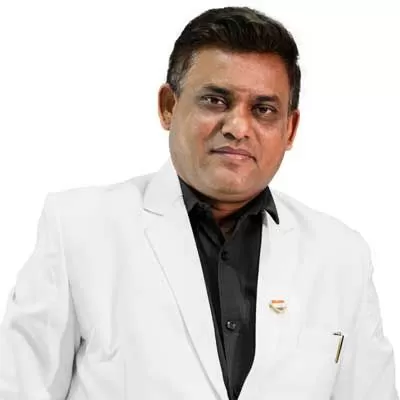
- Charudutt Patil, Director, Ceramics, Infra.Market What are your areas of focus and why? What technologies have been incorporated in the products?Increasing urbanisation, rising disposable incomes and evol...

- Charudutt Patil, Director, Ceramics, Infra.Market What are your areas of focus and why? What technologies have been incorporated in the products?Increasing urbanisation, rising disposable incomes and evolving consumer preferences for aesthetic interiors have boosted demand for high-end, design-oriented tiles like glazed vitrified tiles (GVT), polished glazed vitrified tiles (PGVT) and digital wall tiles. To stay competitive in both quality and cost, we are investing in newer technologies, automated production lines, digital printing and advanced kilns to enhance consistency, design and operational efficiency. Product differentiation calls for multiple technological incorporations in manufacturing, including digital inkjet printing, glazed vitrified technology (GVT and PGVT), nano-polishing technology, double-charged tiles manufacturing, anti-bacterial glazing, and hydrophobic and easy-clean coatings. Demand for bespoke designs, anti-bacterial, anti-skid, solar-reflective and smart tiles (e.g. temperature-regulating tiles for outdoor use) offers scope for differentiation and premium pricing. As the world’s third-largest tile manufacturer, India exports significantly to the US, Middle East, Africa and Europe, offering higher margins and scalable growth opportunities.How do you see the tiles industry in India evolving over the next decade?Valued at Rs 595 billion in 2023, the ceramic tiles market in India is expected to reach Rs 707 billion by 2025. Growth is driven by rising real-estate activity, premium renovation demand and infrastructure development in Tier-2 and Tier-3 cities. India has emerged as a global manufacturing hub, ranking as the third-largest tile exporter. The market is shifting from price-led competition to design, speed and fulfilment. Our multi-brand strategy and digital-first distribution give us a strong edge, moving from commoditised products to value-engineered, design-led ceramic solutions, where scale and innovation define leadership.What are your long-term growth plans?Our long-term vision is to largely expand our presence in the premium and value-added product segments, focusing on high-margin categories such as GVT, PGVT, large-format slabs, porcelain tiles and designer wall tiles. We are looking to invest in bespoke collections through collaborations with interior designers and curated concepts for residential, commercial and hospitality spaces. Expanding company-owned experience centres across metros and Tier-1 cities, we are enhancing our presence on B2C e-commerce platforms and developing AR/VR-based visualisation tools, allowing customers to digitally preview tile layouts in their spaces. We will unlock new avenues for growth into complementary categories like sanitaryware and bath fittings. Our brand-building efforts will position us as a lifestyle brand, not just a construction material provider, through collaborations with celebrity designers, architects and influencers for curated collections and exclusive launches. Globally, we plan to strengthen exports in high-growth markets such as the US, Europe, the Middle East, Africa and Latin America. This includes establishing exclusive distribution networks, pursuing local partnerships and participating in international trade shows with a focus on certification-led market entries. Capacity expansion and product diversification remain key to our journey ahead.

Next Story
Infrastructure Urban

Implementation Status of Jal Jeevan Mission

Since August 2019 the Government has implemented Jal Jeevan Mission to provide assured potable water through household tap connections in rural India. At the start of the mission only 32.3 million (mn) rural households, representing 16.7 per cent, were reported to have tap water connections. States and union territories have reported that 125.8 mn additional rural households have since been provided with tap connections. As a result, of about 193.6 mn rural households roughly 158.2 mn, or 81.71 per cent, are reported to have tap water supply at home.\n\nThe State, district and village level st..

Next Story
Infrastructure Urban

Jal Jeevan Mission Reaches Eighty One Per Cent Rural Coverage

The Government reported substantial progress under the Jal Jeevan Mission, launched in August 2019 to provide tap water to every rural household. At launch only 32.3 million (mn) rural households had tap connections and states and Union territories reported provision of 125.8 mn additional households by March 2026. Consequently, out of about 193.6 mn rural households around 158.2 mn, or 81.71 per cent, are reported to have tap water at home. The Finance Minister announced extension of the mission until 2028 in the 2025-26 budget speech. The Swachh Bharat Mission Grameen, launched in October 20..

Next Story
Infrastructure Urban

Empowering Local Governance for Sustainable Rural Water Supply

The Ministry of Jal Shakti has aligned the Jal Jeevan Mission (JJM) with the 73rd Amendment to strengthen village level planning and community ownership of water supply. Gram Panchayats, village water and sanitation committees and Pani Samitis are to plan, implement, manage and maintain piped water systems, with gram sabha processes formalising handover and oversight. Implementation support agencies including non government organisations, community based organisations and self help groups have been empanelled to train local committees and promote women participation. Under JJM, the department ..

Advertisement

Subscribe to Our Newsletter

Get daily newsletters around different themes from Construction world.

STAY CONNECTED

Advertisement

Advertisement

Advertisement