NCRPB proposes to set up eight greenfield townships in three states
Real Estate

NCRPB proposes to set up eight greenfield townships in three states

NCRPB has proposed the need to tap on the possibilities of establishing five-eight new greenfield townships in the Draft Regional Plan 2041 based on productive economic impulses in Rajasthan, UP and Haryana sub-regions.

The draft plan mentions that the elements under the Natural Conservation Zones in the RP-2021 will stay. Yet, there would be a distinction between green cover and forests, and areas that are currently categorised as forests will continue to be preserved in RP-2041.

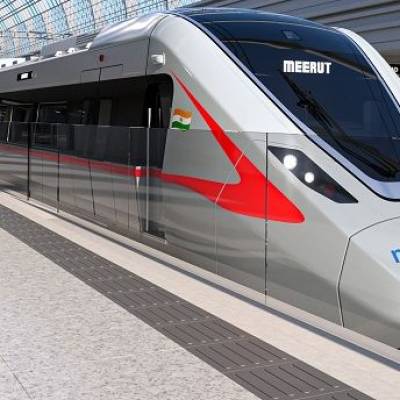
NCRPB says these cities can be situated on development hubs along the key transport corridors such as rail corridors and expressways, either on virgin land or as an expansion of current small settlements depending on the feasibility of productive activities.

It also says cities like this have smart elements such as e-land, central smart command system, rainwater harvesting, land allotment, smart water and electricity, 24X7 security and net-zero water consumption areas.

NCRPB also suggested innovative land use plans to aid accelerated development, like introducing the short and medium-term land lease concept for 5-10 years rather than the current 70-90 years for the use of industries and decreasing the burden of the high cost of land.

Image Source


Also read: Delhi Master Plan 2041: DDA receives over 12k suggestions, objections

NCRPB has proposed the need to tap on the possibilities of establishing five-eight new greenfield townships in the Draft Regional Plan 2041 based on productive economic impulses in Rajasthan, UP and Haryana sub-regions. The draft plan mentions that the elements under the Natural Conservation Zones in the RP-2021 will stay. Yet, there would be a distinction between green cover and forests, and areas that are currently categorised as forests will continue to be preserved in RP-2041. NCRPB says these cities can be situated on development hubs along the key transport corridors such as rail corridors and expressways, either on virgin land or as an expansion of current small settlements depending on the feasibility of productive activities. It also says cities like this have smart elements such as e-land, central smart command system, rainwater harvesting, land allotment, smart water and electricity, 24X7 security and net-zero water consumption areas. NCRPB also suggested innovative land use plans to aid accelerated development, like introducing the short and medium-term land lease concept for 5-10 years rather than the current 70-90 years for the use of industries and decreasing the burden of the high cost of land. Image Source Also read: Delhi Master Plan 2041: DDA receives over 12k suggestions, objections

Next Story
Equipment

Schwing Stetter India Unveils New Innovations at Excon 2025

Schwing Stetter India unveiled more than 20 new machines at Excon 2025, marking one of its most significant showcases and introducing several India-first technologies to the construction equipment sector. The company launched the country’s first 56-metre boom pump designed and manufactured in India, the first fully electric truck mixer, the first CNG mixer variant and the first hybrid boom pump. Executives said the launch portfolio was engineered to support India’s move toward faster, greener and more vertically oriented infrastructure through advanced engineering, clean-energy solutions a..

Next Story
Infrastructure Energy

SEPC Resolves Hindustan Copper Dispute, Wins Rs 725 Mn Order

Engineering, procurement and construction firm SEPC Ltd has recently settled a dispute with Hindustan Copper Ltd (HCL) and secured a mining infrastructure order valued at Rs 725 million from the state-owned company. SEPC informed the stock exchanges that it has executed a settlement deed with HCL, bringing closure to all inter-se claims and counterclaims arising from arbitration proceedings. As part of the settlement, SEPC will receive Rs 304.5 million as full and final payment, marking the resolution of all pending disputes between the two entities. The company also stated that Hindustan Co..

Next Story
Infrastructure Energy

20% Ethanol Blending Cuts India’s CO2 Emissions by 73.6 Mn Tonnes

Union Road Transport and Highways Minister Nitin Gadkari recently said that India has reduced carbon dioxide emissions by 73.6 million metric tonnes due to the adoption of 20 per cent ethanol blending in petrol. He made the statement while replying to supplementary questions during the Question Hour in the Lok Sabha. Describing ethanol as a green fuel, the minister said it plays a key role in reducing pollution while also supporting higher incomes for farmers. He underlined that ethanol blending contributes both to environmental sustainability and rural economic growth. Nitin Gadkari also po..

Advertisement

Subscribe to Our Newsletter

Get daily newsletters around different themes from Construction world.

STAY CONNECTED

Advertisement

Advertisement

Advertisement

Advertisement

Open In App