




Goa Land Crisis Reshapes Urban Development Debate
Real Estate

Goa Land Crisis Reshapes Urban Development Debate

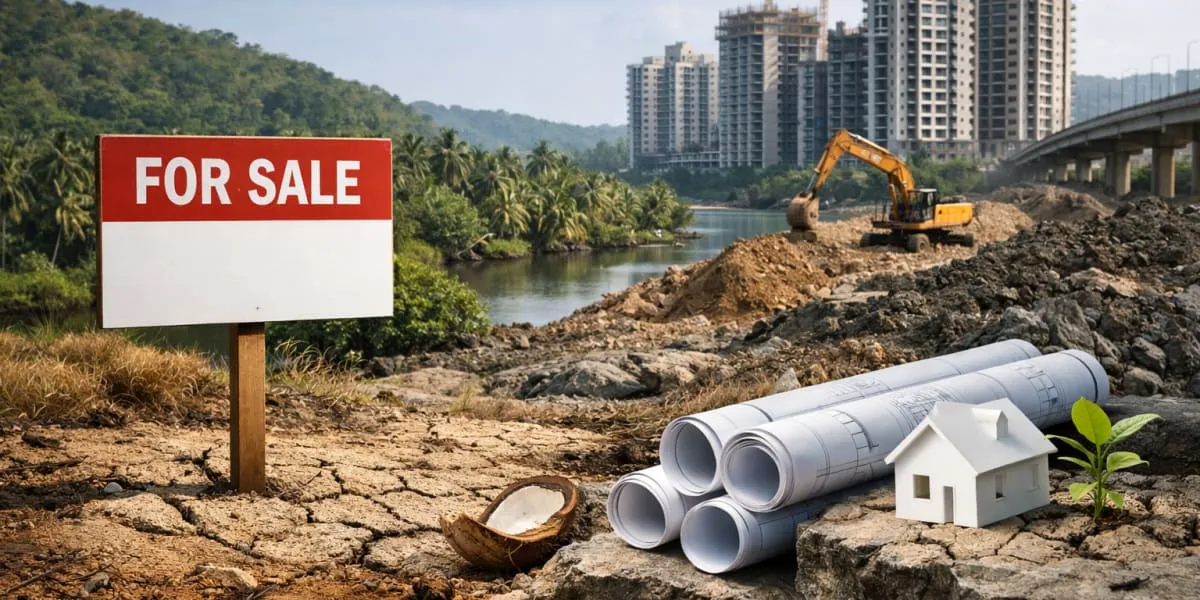
Goa is experiencing an intensifying contest over land use as rapid real estate expansion and infrastructure pressures reshape the state's ecological and social landscape. The ongoing land crisis exposes a widening gap between development ambitions and the imperative to safeguard fragile ecosystems, with clear implications for housing access, environmental stability and local livelihoods. Observers say the debate has moved beyond isolated disputes to a broader discussion about sustainable models of growth.

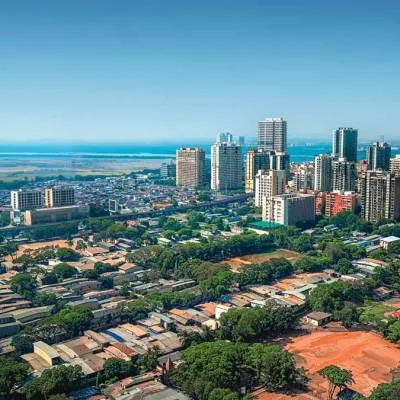
Across coastal belts and hinterland villages land once used for agriculture and community management is increasingly being repurposed for tourism-led projects and residential developments. Urban planners note that shared and productive landscapes are giving way to fragmented privately controlled assets as demand for villas, resorts and second homes rises. This trend has pushed land values upward, frequently placing ownership beyond the reach of longstanding residents and encouraging speculative investments that favour short term returns.

Regulatory frameworks have struggled to keep pace with shifting land uses, and amendments to planning rules and land use classifications have enabled development in ecologically sensitive areas, including wetlands and coastal zones. In several cases environmental safeguards have been weakened or applied inconsistently, intensifying concerns about cumulative ecological damage. The consequences are manifest in more frequent flooding, stressed groundwater resources and declining mangrove and green cover along vulnerable coastlines.

Governance challenges compound the problem as decision making around land use often lacks transparency and meaningful public participation, while consultations are sometimes viewed as procedural rather than substantive. Grassroots responses are emerging, with community groups, environmental organisations and local governance bodies mobilised to question large scale conversions and infrastructure projects and to seek legal remedies. Addressing the crisis will require strengthening regulatory oversight, improving transparency and integrating climate sensitive planning to balance economic growth with environmental protection and social equity.

Goa is experiencing an intensifying contest over land use as rapid real estate expansion and infrastructure pressures reshape the state's ecological and social landscape. The ongoing land crisis exposes a widening gap between development ambitions and the imperative to safeguard fragile ecosystems, with clear implications for housing access, environmental stability and local livelihoods. Observers say the debate has moved beyond isolated disputes to a broader discussion about sustainable models of growth. Across coastal belts and hinterland villages land once used for agriculture and community management is increasingly being repurposed for tourism-led projects and residential developments. Urban planners note that shared and productive landscapes are giving way to fragmented privately controlled assets as demand for villas, resorts and second homes rises. This trend has pushed land values upward, frequently placing ownership beyond the reach of longstanding residents and encouraging speculative investments that favour short term returns. Regulatory frameworks have struggled to keep pace with shifting land uses, and amendments to planning rules and land use classifications have enabled development in ecologically sensitive areas, including wetlands and coastal zones. In several cases environmental safeguards have been weakened or applied inconsistently, intensifying concerns about cumulative ecological damage. The consequences are manifest in more frequent flooding, stressed groundwater resources and declining mangrove and green cover along vulnerable coastlines. Governance challenges compound the problem as decision making around land use often lacks transparency and meaningful public participation, while consultations are sometimes viewed as procedural rather than substantive. Grassroots responses are emerging, with community groups, environmental organisations and local governance bodies mobilised to question large scale conversions and infrastructure projects and to seek legal remedies. Addressing the crisis will require strengthening regulatory oversight, improving transparency and integrating climate sensitive planning to balance economic growth with environmental protection and social equity.

Next Story
Infrastructure Urban

Lemon Tree Hotels Signs Resort In Lonavala Maharashtra

Lemon Tree Hotels Limited (LTHL) has signed a licence agreement for Lemon Tree Resort in Lonavala, Maharashtra, with the asset to be managed by Carnation Hotels Private Limited, a wholly owned subsidiary of LTHL. The resort will offer 50 well appointed rooms and will include a restaurant, banquet, meeting room, swimming pool, spa and fitness centre. The company described the addition as part of its strategy to expand branded resort offerings in key getaway destinations. Lonavala, located in the Sahyadri hills, is a popular leisure destination in western India known for scenic landscapes and a ..

Next Story
Infrastructure Urban

Kalai Chettinad Art And Architecture Festival At The Lotus Palace

The Lotus Palace Chettinad will host Kalai, the Chettinad Art and Architecture Festival, a four-day, three-night immersive celebration of the artistic legacy of Chettinad from three to six April 2026. The event has been organised by Apeejay Surrendra Park Hotels Limited (ASPHL) and will take place across restored heritage properties in Chettinad. It will be designed to offer guests a layered experience of place, structure and story that connects art, architecture and living traditions. The festival aims to present a confluence of global influences and local aesthetics. Kalai has been curated i..

Next Story
Infrastructure Energy

SJVN Reaches One bn Units At 1,000 MW Bikaner Solar Project

SJVN Limited (SJVN) has reached a milestone with its 1,000 megawatt (MW) Bikaner Solar Power Project by generating one bn units of electricity on 20 March 2026. The achievement underscores the company's role in supplying clean and sustainable energy to the national grid. The generation milestone was recorded within months of the project commencing operations and highlights rapid performance from the new facility. The Bikaner project, located in Bikaner district of Rajasthan, has been developed and implemented by SJVN Green Energy Limited (SGEL) under the Central Public Sector Undertaking Schem..

Advertisement

Subscribe to Our Newsletter

Get daily newsletters around different themes from Construction world.

STAY CONNECTED

Advertisement

Advertisement

Advertisement