



Housing Sales Dip 7 per cent QoQ Across Top Cities
Real Estate

Housing Sales Dip 7 per cent QoQ Across Top Cities

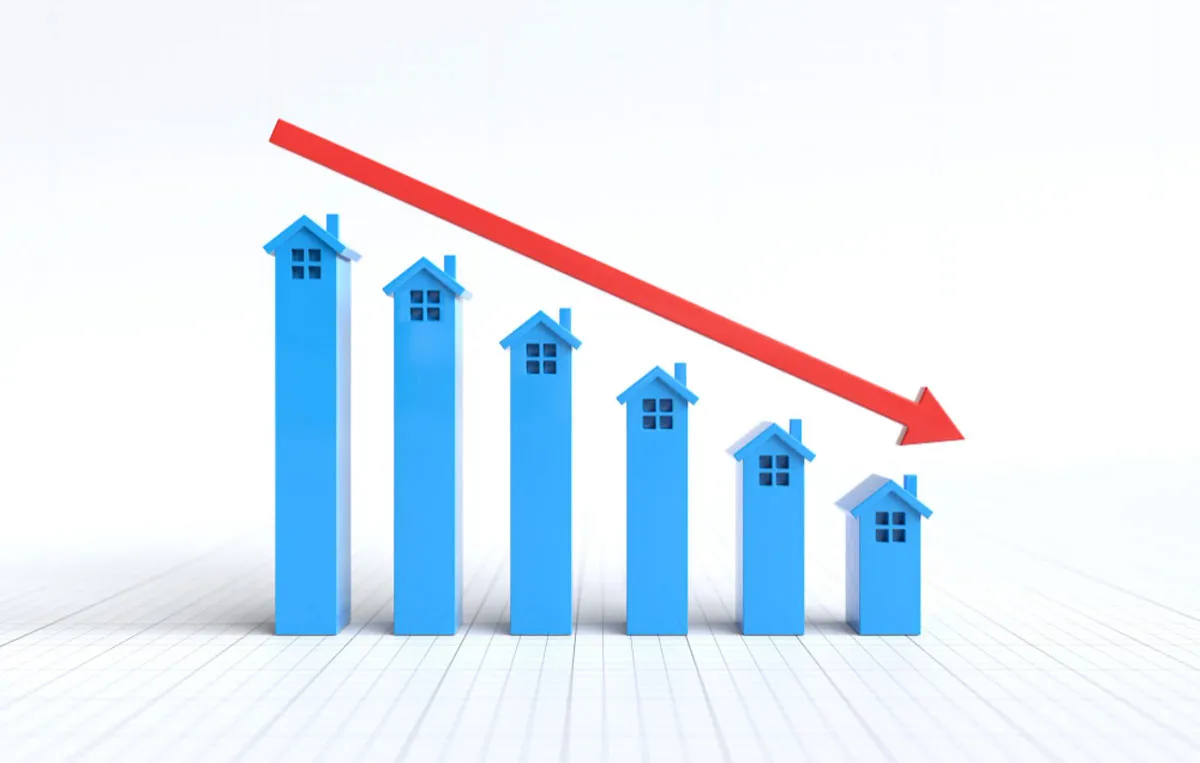
India’s housing market saw a 7 per cent quarter-on-quarter decline in sales across the top seven cities in Q1 2026, with approximately 1,01,675 units sold compared to 1,08,970 units in Q4 2025, according to ANAROCK Group. However, on a yearly basis, sales rose 9 per cent, indicating continued underlying demand.

The total sales value stood at around Rs 1.51 trillion, reflecting a 5 per cent quarterly drop but a 6 per cent annual increase. Mumbai Metropolitan Region and Bengaluru together accounted for nearly 48 per cent of total sales, while Chennai recorded the highest quarterly decline at 18 per cent but also the strongest annual growth at 31 per cent.

New housing supply rose marginally by 2 per cent quarter-on-quarter and significantly by 26 per cent year-on-year, reaching over 1,26,265 units. Hyderabad led supply growth with a 46 per cent quarterly increase, followed by Bengaluru and MMR.

The surge in new launches has pushed unsold inventory up by 4 per cent quarterly and 7 per cent annually, crossing 6,00,000 units. Average property prices increased by 2 per cent quarter-on-quarter and 7 per cent annually, with NCR and Bengaluru recording the highest yearly growth.

According to Anuj Puri, geopolitical uncertainties and rising costs impacted buyer sentiment during the quarter, while a shift towards higher supply relative to sales has led to a gradual increase in inventory levels.

India’s housing market saw a 7 per cent quarter-on-quarter decline in sales across the top seven cities in Q1 2026, with approximately 1,01,675 units sold compared to 1,08,970 units in Q4 2025, according to ANAROCK Group. However, on a yearly basis, sales rose 9 per cent, indicating continued underlying demand.The total sales value stood at around Rs 1.51 trillion, reflecting a 5 per cent quarterly drop but a 6 per cent annual increase. Mumbai Metropolitan Region and Bengaluru together accounted for nearly 48 per cent of total sales, while Chennai recorded the highest quarterly decline at 18 per cent but also the strongest annual growth at 31 per cent.New housing supply rose marginally by 2 per cent quarter-on-quarter and significantly by 26 per cent year-on-year, reaching over 1,26,265 units. Hyderabad led supply growth with a 46 per cent quarterly increase, followed by Bengaluru and MMR.The surge in new launches has pushed unsold inventory up by 4 per cent quarterly and 7 per cent annually, crossing 6,00,000 units. Average property prices increased by 2 per cent quarter-on-quarter and 7 per cent annually, with NCR and Bengaluru recording the highest yearly growth.According to Anuj Puri, geopolitical uncertainties and rising costs impacted buyer sentiment during the quarter, while a shift towards higher supply relative to sales has led to a gradual increase in inventory levels.

Next Story
Real Estate

Birla Estates Enters Mumbai Redevelopment

Birla Estates has announced its entry into Mumbai’s redevelopment segment with a luxury residential project in Khar West, developed in partnership with Parinee Real Estate Builders. The project will redevelop Anmol Co-operative Housing Society and Bhartiya Bhavan Co-operative Housing Society, marking the company’s first redevelopment initiative in the Mumbai Metropolitan Region.Spread across 1.3 acres, the development will offer a saleable area of 2.9 lakh sq ft with an estimated revenue potential of Rs 17 billion. Positioned in one of Mumbai’s prime residential micro-markets, the projec..

Next Story
Infrastructure Urban

Hitachi, MUFG Expand EV Financing Model

Hitachi and MUFG Bank have expanded their NextGen business co-creation model to accelerate decarbonised mobility by financing electric vehicles and charging infrastructure. The renewed collaboration aims to address key barriers to electrification, including limited access to capital and the need for integrated energy solutions.Building on earlier partnerships, the expanded model extends beyond battery-focused solutions to include electric mobility assets, charging systems and energy management infrastructure across global markets. The initiative will leverage structured financing through speci..

Next Story
Infrastructure Urban

SWITCH Mobility Drives Electric Urban Sanitation

Electric mobility is steadily expanding into municipal operations, with organisations adopting EVs to reduce costs, improve efficiency and support net-zero goals. SWITCH Mobility is advancing this shift by partnering with urban bodies to deploy electric sanitation solutions tailored for demanding city environments.At Municipalika 2026 in New Delhi, the company showcased its IeV3 Garbage Tipper and IeV4 Electric Road Sweeper, highlighting their role in transforming waste management and city cleaning operations. The IeV3 Garbage Tipper, available in multiple configurations, offers structured was..

Advertisement

Subscribe to Our Newsletter

Get daily newsletters around different themes from Construction world.

STAY CONNECTED

Advertisement

Advertisement

Advertisement