Indian Real Estate Draws $80bn in 15 Years, 57 per cent from Foreigners
Real Estate

Indian Real Estate Draws $80bn in 15 Years, 57 per cent from Foreigners

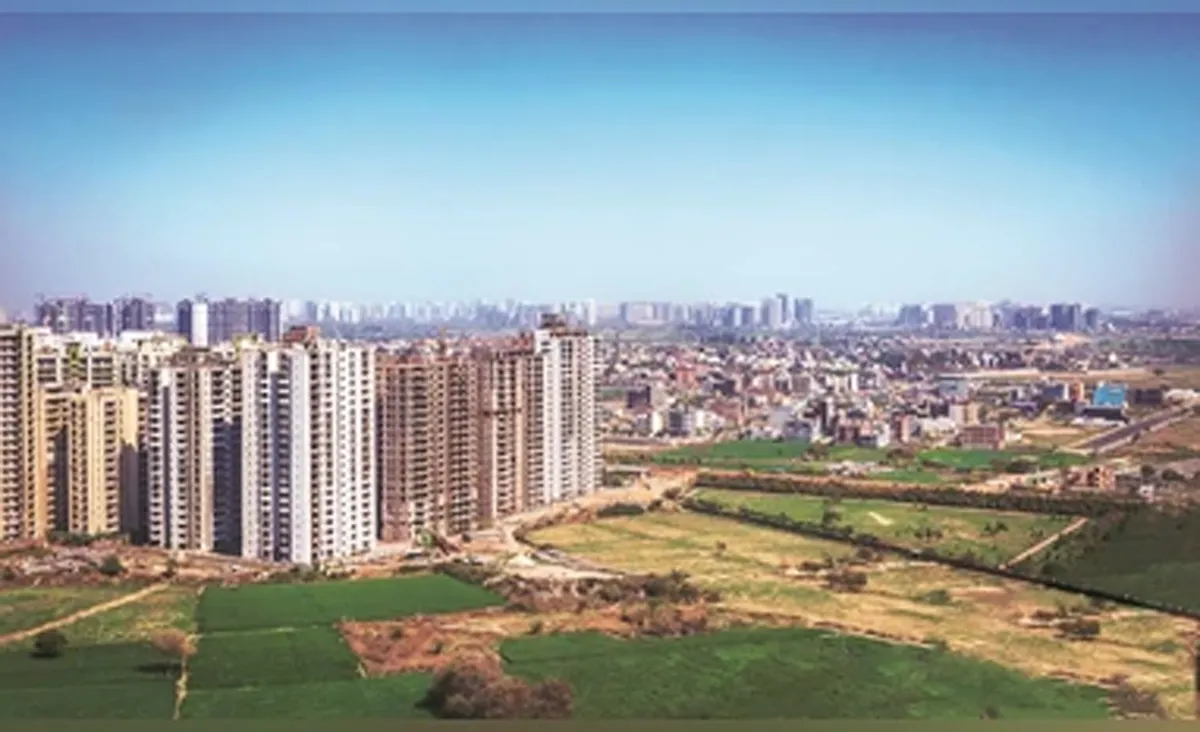
India’s real estate sector has attracted nearly $80 billion in institutional investments over the past 15 years, with foreign investors contributing 57 per cent, according to a joint report by CREDAI and Colliers India.
The report, Indian Real Estate: Fostering Equity and Fuelling Economic Growth, was released during CREDAI’s annual event, NATCON. CREDAI, the apex body representing more than 13,000 developers, highlighted the significant growth in institutional inflows, which include family offices, foreign corporate groups, foreign banks, pension funds, private equity, listed REITs, sovereign wealth funds, and other foreign-funded entities.
The report noted that domestic capital has also grown steadily, particularly following the Covid pandemic. Looking ahead, the Indian real estate market is projected to reach $5-10 trillion by 2047.
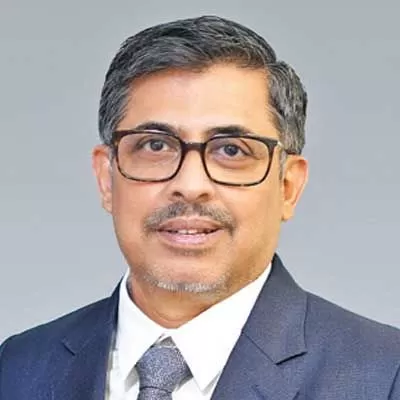
CREDAI President Shekhar Patel stated, “By 2047, Indian real estate will not just be measured in square feet or asset values—it will be defined by the quality of life we create for millions of citizens. The sector is uniquely positioned to reimagine India’s urban future through climate-resilient cities, affordable and aspirational homes, and ecosystems that foster innovation and inclusivity.”
Colliers India CEO Badal Yagnik added, “Supported by favourable policies, strong demand, and rising interest from developers and investors, Indian real estate is poised for decades of growth across most asset classes. Grade A office and industrial stock is expected to exceed 2 billion sq ft by 2047, while residential sales could reach 1 million units annually.”
He also highlighted the increasing demand in data centres, senior living facilities, retail malls, and hotels, reflecting India’s diverse demographic needs.
“Overall, the Indian real estate sector will remain a vital catalyst for inclusive urbanisation and sustainable community development as India advances towards global economic leadership,” Yagnik said.

"Join industry leaders at RAHSTA Expo, India's premier platform for roads, highways and traffic infrastructure. Register now to explore innovations, network with experts and shape the future of mobility."

India’s real estate sector has attracted nearly $80 billion in institutional investments over the past 15 years, with foreign investors contributing 57 per cent, according to a joint report by CREDAI and Colliers India.The report, Indian Real Estate: Fostering Equity and Fuelling Economic Growth, was released during CREDAI’s annual event, NATCON. CREDAI, the apex body representing more than 13,000 developers, highlighted the significant growth in institutional inflows, which include family offices, foreign corporate groups, foreign banks, pension funds, private equity, listed REITs, sovereign wealth funds, and other foreign-funded entities.The report noted that domestic capital has also grown steadily, particularly following the Covid pandemic. Looking ahead, the Indian real estate market is projected to reach $5-10 trillion by 2047.CREDAI President Shekhar Patel stated, “By 2047, Indian real estate will not just be measured in square feet or asset values—it will be defined by the quality of life we create for millions of citizens. The sector is uniquely positioned to reimagine India’s urban future through climate-resilient cities, affordable and aspirational homes, and ecosystems that foster innovation and inclusivity.”Colliers India CEO Badal Yagnik added, “Supported by favourable policies, strong demand, and rising interest from developers and investors, Indian real estate is poised for decades of growth across most asset classes. Grade A office and industrial stock is expected to exceed 2 billion sq ft by 2047, while residential sales could reach 1 million units annually.”He also highlighted the increasing demand in data centres, senior living facilities, retail malls, and hotels, reflecting India’s diverse demographic needs.“Overall, the Indian real estate sector will remain a vital catalyst for inclusive urbanisation and sustainable community development as India advances towards global economic leadership,” Yagnik said.

Next Story
Infrastructure Urban

ABS Marine Sees CRISIL Credit Rating Upgrade

ABS Marine Services has secured an upgrade to its long term and short term credit ratings from CRISIL, reflecting improved profitability and revenue growth through long term contracts. CRISIL moved the long term rating from BBB+/Stable to A-/Stable and revised the short term rating from A2 to A2+. The action signals strengthened financial metrics and operational resilience. The company benefited from durable client relationships with firms such as ONGC and Schlumberger. The rating decision followed stronger cash flows and an enlarged bank loan facility, which increased from Rs 3,705 million (m..

Next Story
Infrastructure Transport

Project BRAHMANK Marks 16 Years Of Strategic Roads In Arunachal

Project BRAHMANK is marking 16 years of work to establish strategic road and bridge links across Arunachal Pradesh, maintaining and developing 811 kilometres of roads and nearly 86 bridges that range from small culverts to large steel and arch bridges. These transport links are described as critical for ensuring year-round movement of defence personnel, equipment and essential supplies while improving everyday travel for people in remote villages. The project balances national security requirements with regional development by focusing on reliable access in challenging terrain. Notable enginee..

Next Story
Infrastructure Transport

Longleng CSOs Give One Week Ultimatum Over Two-Lane Highway

Civil society organisations (CSOs) in Longleng district have demanded immediate restoration of the deteriorating Changtongya–Longleng two-lane road and sought a detailed status report on the stalled construction within one week. The demand followed a consultative meeting convened under the Phom Peoples' Council (PPC) to discuss welfare and development concerns. PPC president YB Angam Phom said prolonged non-maintenance had caused hardship to commuters and affected transportation, local commerce and the district's development. The meeting urged authorities to undertake immediate restoration a..

Advertisement

Subscribe to Our Newsletter

Get daily newsletters around different themes from Construction world.

STAY CONNECTED

Advertisement

Advertisement

Advertisement