+
Indian Toilet Vs Single-Piece Commode Explained
Interiors

Indian Toilet Vs Single-Piece Commode Explained

Bathrooms tell quiet stories about habits, comfort, and how homes evolve with time. In many Indian houses, the toilet choice reflects a balance between tradition and modern living. Some people still prefer what they grew up with, while others lean toward convenience and contemporary design. When deciding between an Indian toilet and a single-piece commode, the choice goes far beyond looks. It touches health, hygiene, space, and daily comfort. Understanding these differences helps you choose what truly fits your lifestyle rather than following trends blindly.

Understanding the Indian Toilet
An Indian toilet is designed for squatting. It sits flush with the floor and has been used across India for generations. The posture feels natural to many people, especially those who have used it since childhood. Squatting aligns the body in a way that may support easier bowel movement and reduced strain for some users.
From a practical point of view, Indian toilets are simple in construction. They usually need less water per use and have fewer parts, which makes them easy to clean and maintain. With no seat, lid, or hinges, there are fewer areas where dirt can collect. This simplicity is one reason why Indian toilets are still common in homes, public spaces, and rural settings.

However, comfort can be a concern. Squatting may be difficult for elderly people, those with joint pain, or anyone with mobility issues. Wet floors are also common because washing is done at floor level, which makes the flooring choice extremely important for safety.

What Makes a Single-Piece Commode Different
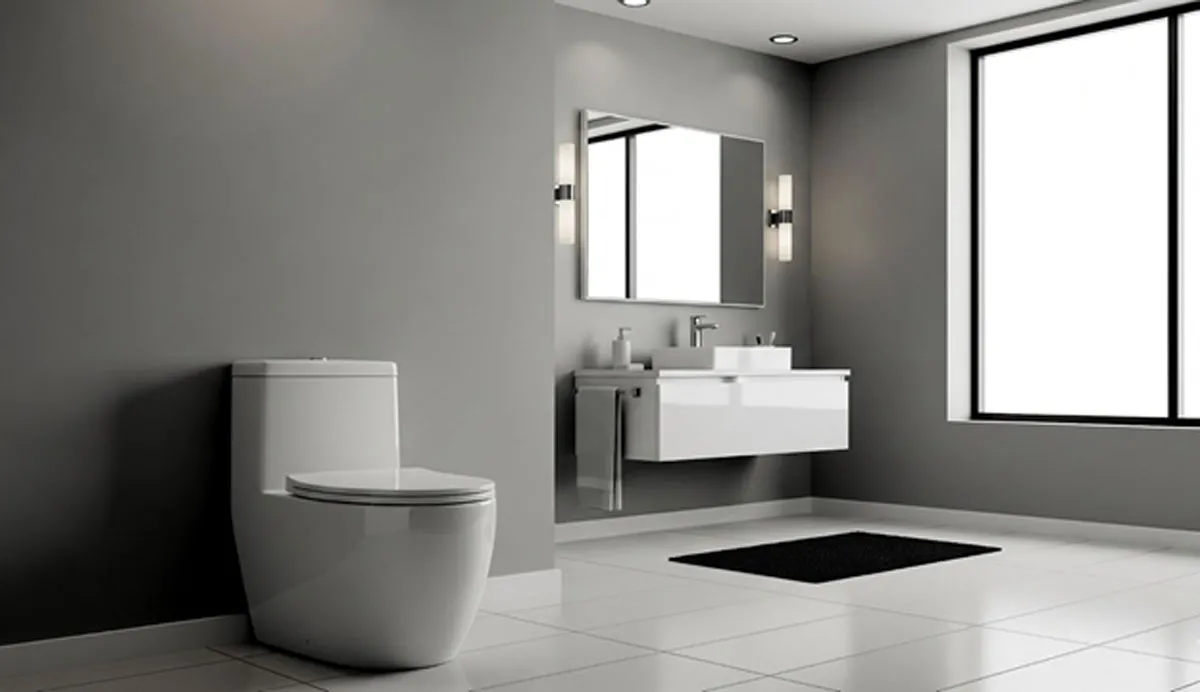
A single-piece commode combines the bowl and cistern into one seamless unit. This design gives bathrooms a clean, modern appearance and reduces joints where dust and moisture usually collect. It is designed for seated use, which many people find more comfortable, especially for longer use.

Single-piece commodes are popular in urban homes because they look compact yet elegant. The smooth surface makes cleaning easier, and the raised seat height is helpful for seniors and children. Modern flushing systems also use water efficiently, offering strong performance without excessive consumption.

In terms of space, a single-piece commode works well in both small and medium bathrooms when planned properly. Models like Nettuno, Spice, and Stevia are examples of designs that balance comfort with smart proportions.

Health and Comfort Comparison
Health is often the biggest discussion point when comparing an Indian toilet and a single-piece commode. Squatting is believed to support better bowel posture by reducing strain during use. For people without mobility issues, this can feel natural and quick.

On the other hand, seated toilets reduce pressure on knees and ankles. For elderly users, pregnant women, or anyone with back or joint concerns, a single-piece commode offers safety and ease of use. The choice depends on who will use the bathroom daily and what their comfort needs are.

Hygiene and Cleaning
Hygiene depends not only on toilet type but also on cleaning habits and surrounding materials. Indian toilets reduce direct body contact, which some users consider more hygienic—cleaning the pan and floor is straightforward, though frequent water use can make floors slippery. Brands like Simpolo enhance this with anti-bacterial vitrified glazes on single-piece commodes, minimizing grime while pairing perfectly with slip-resistant vitrified floor tiles for a drier, safer bathroom. The seamless design of single-piece units means fewer joints for bacteria to hide in, making upkeep efficient when matched with quality flooring. Overall, proactive cleaning routines elevate hygiene regardless of your choice.

Space and Design Impact
Design plays a major role in modern homes. Indian toilets usually take up less visual space but require a fully wet bathroom layout. This can limit design options if you want a dry, hotel-style bathroom.

A single-piece commode fits naturally into contemporary designs. It pairs well with wall tiles, storage units, and glass partitions. The raised structure helps keep the rest of the bathroom dry and visually organised. This makes it easier to maintain a clean look over time.

Installation and Maintenance
Installing an Indian toilet often involves floor-level plumbing and is simpler in traditional layouts. It is cost-effective and easy to repair due to its basic structure.
A single-piece commode needs accurate measurement for drainage alignment and proper installation. While the initial cost may be higher, long-term maintenance is easier due to fewer leak-prone joints and durable ceramic finishes.

Which One Should You Choose
Choosing between an indian toilet and a single-piece commode depends on your household's needs. If you value tradition, water efficiency, and are comfortable with squatting, an Indian toilet remains a practical option. If comfort, accessibility, and modern aesthetics matter more, a single-piece commode is a better fit.
Homes with mixed age groups often solve this by installing different toilet types in separate bathrooms. This approach respects personal comfort without compromise.

Conclusion
Bathrooms today are not just functional spaces. They are part of daily well-being. Whether you choose an Indian toilet for its simplicity or a single-piece commode for its comfort and clean design, the right planning makes all the difference. With thoughtful layouts, quality materials, and well-matched fixtures, homeowners create bathrooms that respect tradition while embracing modern living.

In the end, the best choice is the one that feels right every single day, quietly supporting comfort, hygiene, and ease without demanding attention.


Bathrooms tell quiet stories about habits, comfort, and how homes evolve with time. In many Indian houses, the toilet choice reflects a balance between tradition and modern living. Some people still prefer what they grew up with, while others lean toward convenience and contemporary design. When deciding between an Indian toilet and a single-piece commode, the choice goes far beyond looks. It touches health, hygiene, space, and daily comfort. Understanding these differences helps you choose what truly fits your lifestyle rather than following trends blindly.Understanding the Indian ToiletAn Indian toilet is designed for squatting. It sits flush with the floor and has been used across India for generations. The posture feels natural to many people, especially those who have used it since childhood. Squatting aligns the body in a way that may support easier bowel movement and reduced strain for some users.From a practical point of view, Indian toilets are simple in construction. They usually need less water per use and have fewer parts, which makes them easy to clean and maintain. With no seat, lid, or hinges, there are fewer areas where dirt can collect. This simplicity is one reason why Indian toilets are still common in homes, public spaces, and rural settings.However, comfort can be a concern. Squatting may be difficult for elderly people, those with joint pain, or anyone with mobility issues. Wet floors are also common because washing is done at floor level, which makes the flooring choice extremely important for safety.What Makes a Single-Piece Commode DifferentA single-piece commode combines the bowl and cistern into one seamless unit. This design gives bathrooms a clean, modern appearance and reduces joints where dust and moisture usually collect. It is designed for seated use, which many people find more comfortable, especially for longer use.Single-piece commodes are popular in urban homes because they look compact yet elegant. The smooth surface makes cleaning easier, and the raised seat height is helpful for seniors and children. Modern flushing systems also use water efficiently, offering strong performance without excessive consumption.In terms of space, a single-piece commode works well in both small and medium bathrooms when planned properly. Models like Nettuno, Spice, and Stevia are examples of designs that balance comfort with smart proportions.Health and Comfort ComparisonHealth is often the biggest discussion point when comparing an Indian toilet and a single-piece commode. Squatting is believed to support better bowel posture by reducing strain during use. For people without mobility issues, this can feel natural and quick.On the other hand, seated toilets reduce pressure on knees and ankles. For elderly users, pregnant women, or anyone with back or joint concerns, a single-piece commode offers safety and ease of use. The choice depends on who will use the bathroom daily and what their comfort needs are.Hygiene and CleaningHygiene depends not only on toilet type but also on cleaning habits and surrounding materials. Indian toilets reduce direct body contact, which some users consider more hygienic—cleaning the pan and floor is straightforward, though frequent water use can make floors slippery. Brands like Simpolo enhance this with anti-bacterial vitrified glazes on single-piece commodes, minimizing grime while pairing perfectly with slip-resistant vitrified floor tiles for a drier, safer bathroom. The seamless design of single-piece units means fewer joints for bacteria to hide in, making upkeep efficient when matched with quality flooring. Overall, proactive cleaning routines elevate hygiene regardless of your choice.Space and Design ImpactDesign plays a major role in modern homes. Indian toilets usually take up less visual space but require a fully wet bathroom layout. This can limit design options if you want a dry, hotel-style bathroom.A single-piece commode fits naturally into contemporary designs. It pairs well with wall tiles, storage units, and glass partitions. The raised structure helps keep the rest of the bathroom dry and visually organised. This makes it easier to maintain a clean look over time.Installation and MaintenanceInstalling an Indian toilet often involves floor-level plumbing and is simpler in traditional layouts. It is cost-effective and easy to repair due to its basic structure.A single-piece commode needs accurate measurement for drainage alignment and proper installation. While the initial cost may be higher, long-term maintenance is easier due to fewer leak-prone joints and durable ceramic finishes.Which One Should You ChooseChoosing between an indian toilet and a single-piece commode depends on your household's needs. If you value tradition, water efficiency, and are comfortable with squatting, an Indian toilet remains a practical option. If comfort, accessibility, and modern aesthetics matter more, a single-piece commode is a better fit.Homes with mixed age groups often solve this by installing different toilet types in separate bathrooms. This approach respects personal comfort without compromise.ConclusionBathrooms today are not just functional spaces. They are part of daily well-being. Whether you choose an Indian toilet for its simplicity or a single-piece commode for its comfort and clean design, the right planning makes all the difference. With thoughtful layouts, quality materials, and well-matched fixtures, homeowners create bathrooms that respect tradition while embracing modern living.In the end, the best choice is the one that feels right every single day, quietly supporting comfort, hygiene, and ease without demanding attention.
Next Story
Infrastructure Urban

Modi Meets Finnish Prime Minister On Margins Of AI Summit

Prime Minister Shri Narendra Modi met with His Excellency Mr Petteri Orpo, Prime Minister of the Republic of Finland (the Finnish Prime Minister), in New Delhi on 18 February 2026 on the margins of the artificial intelligence (AI) Impact Summit. The meeting brought together leaders to discuss bilateral cooperation across technology and sustainability. The two leaders reviewed recent developments in India-European Union relations and bilateral ties. Both leaders welcomed the recent conclusion of the India-European Union Free Trade Agreement (India-EU FTA) at the 16th India-European Union Summit..

Next Story
Infrastructure Urban

Prime Minister to Inaugurate India AI Impact Summit 2026

Prime Minister Narendra Modi will inaugurate the India AI Impact Summit 2026 on 19 February at Bharat Mandapam in New Delhi, having welcomed participating world leaders at the venue on the evening of 18 February and scheduled bilateral meetings on the sidelines. The opening ceremony is scheduled for around 9:40 am and will feature addresses from the President of France, the Secretary-General of the United Nations and senior industry leaders. The programme aims to set the tone for national and international collaboration on artificial intelligence. At around 11 am the Prime Minister will visit ..

Next Story
Infrastructure Urban

India And Germany Reaffirm Telecom And Digital Cooperation

India and Germany reaffirmed cooperation in telecommunications and digital transformation after a bilateral meeting on 18 February 2026 at Sanchar Bhawan in New Delhi between the Union Minister of Communications and Development of the North Eastern Region and the German Federal Minister for Digital Transformation and Government Modernization. The meeting followed the signing of a Joint Declaration of Intent on 10 January 2026 during the India?Germany Summit and was presented as a non?binding framework for structured collaboration. The Indian minister outlined India’s digital transformation, ..

Advertisement

Subscribe to Our Newsletter

Get daily newsletters around different themes from Construction world.

STAY CONNECTED

Advertisement

Advertisement

Advertisement

Open In App