+
Madurai's industrial sector demands higher land allocation
Real Estate

Madurai's industrial sector demands higher land allocation

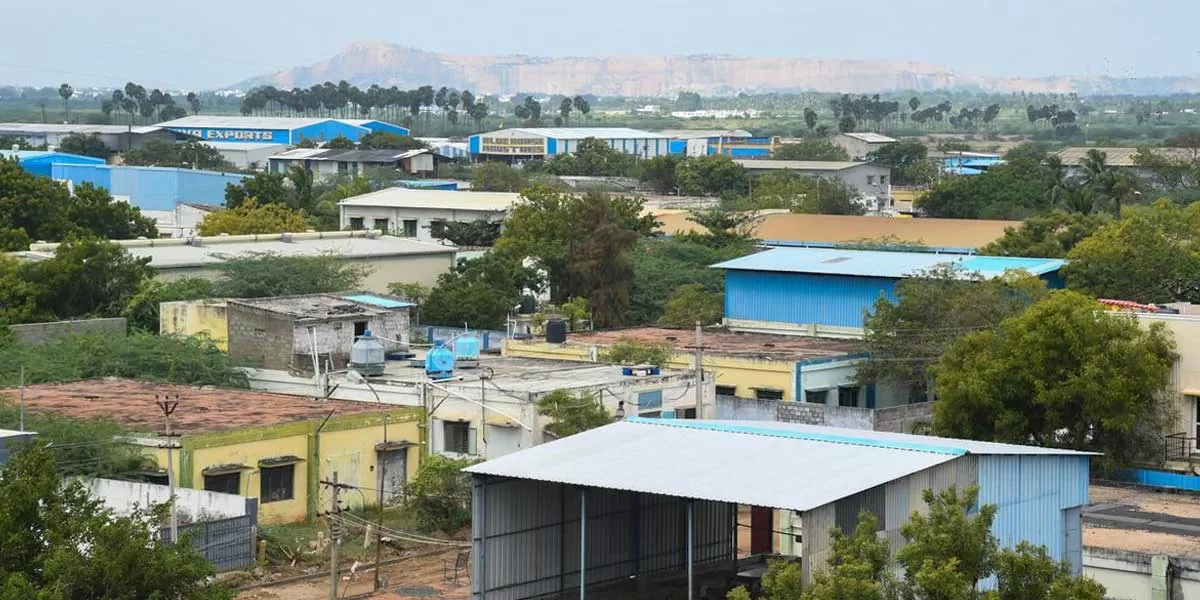
At a public feedback meeting convened by the Local Planning Authority (LPA) of Madurai regarding the recently unveiled draft masterplan for the city's local planning area, industrial stakeholders pressed for a significant increase in industrial land allocation.

Representatives from bodies such as MADITSSIA and the Tamil Nadu Chamber of Commerce and Industries voiced their concerns, with a notable demand to raise the industrial land allocation from the current 4% to 14% in the local planning area.

During the meeting chaired by District Collector M S Sangeetha, suggestions poured in, including extending the suggestion period from 40 days to two months to facilitate comprehensive feedback gathering.

Rm Lakshminarayanan, president of MADITSSIA, underscored the inadequacy of the current land allocation for the industrial sector. He emphasized, We persistently advocated for a 14% land allocation, yet we have only received 4%, which is insufficient.

P S Manju, assistant director of DTCP, acknowledged the underutilization of previously allocated industrial land and explained that growth trends were considered in the revised allocation.

MADITSSIA members proposed more land allocation in the Tuticorin-Madurai industrial corridor and advocated for land allocation for tiny industries in the Jaihindpuram area within the Madurai Corporation.

Members of the Tamil Nadu Chamber of Commerce and Industries expressed concerns about the lack of awareness among industrialists and landholders regarding the new masterplan. They urged the LPA to extend the suggestion window to two months.

J Selvam, vice-president of TNCCI, commented, Even this meeting was not properly communicated to us, and with around 5,500 members in the TNCCI, we need time to make them aware of the draft plan provisions.

CREDAI members raised issues regarding certain mixed land-use areas labeled as agricultural land in the draft masterplan. They also sought an increase in residential area allocation.

Academicians suggested incorporating the knowledge economy into the masterplan to address future job needs. Muthu Raja, an economics professor, emphasized the importance of considering specific demands like job creation and upskilling the city?s youth.

Various stakeholders voiced suggestions ranging from enhancing the tourism sector to improving waste management and alleviating city road congestion.

The assistant director of DTCP, Madurai, highlighted that once integrated, the suggestions would be submitted for state government approval, a process expected to take two to three months after the suggestion window closes.

At a public feedback meeting convened by the Local Planning Authority (LPA) of Madurai regarding the recently unveiled draft masterplan for the city's local planning area, industrial stakeholders pressed for a significant increase in industrial land allocation. Representatives from bodies such as MADITSSIA and the Tamil Nadu Chamber of Commerce and Industries voiced their concerns, with a notable demand to raise the industrial land allocation from the current 4% to 14% in the local planning area. During the meeting chaired by District Collector M S Sangeetha, suggestions poured in, including extending the suggestion period from 40 days to two months to facilitate comprehensive feedback gathering. Rm Lakshminarayanan, president of MADITSSIA, underscored the inadequacy of the current land allocation for the industrial sector. He emphasized, We persistently advocated for a 14% land allocation, yet we have only received 4%, which is insufficient. P S Manju, assistant director of DTCP, acknowledged the underutilization of previously allocated industrial land and explained that growth trends were considered in the revised allocation. MADITSSIA members proposed more land allocation in the Tuticorin-Madurai industrial corridor and advocated for land allocation for tiny industries in the Jaihindpuram area within the Madurai Corporation. Members of the Tamil Nadu Chamber of Commerce and Industries expressed concerns about the lack of awareness among industrialists and landholders regarding the new masterplan. They urged the LPA to extend the suggestion window to two months. J Selvam, vice-president of TNCCI, commented, Even this meeting was not properly communicated to us, and with around 5,500 members in the TNCCI, we need time to make them aware of the draft plan provisions. CREDAI members raised issues regarding certain mixed land-use areas labeled as agricultural land in the draft masterplan. They also sought an increase in residential area allocation. Academicians suggested incorporating the knowledge economy into the masterplan to address future job needs. Muthu Raja, an economics professor, emphasized the importance of considering specific demands like job creation and upskilling the city?s youth. Various stakeholders voiced suggestions ranging from enhancing the tourism sector to improving waste management and alleviating city road congestion. The assistant director of DTCP, Madurai, highlighted that once integrated, the suggestions would be submitted for state government approval, a process expected to take two to three months after the suggestion window closes.

Next Story
Infrastructure Urban

India Expands Semiconductor Training To 500 Institutions

Under the Chips to Startups programme of the India Semiconductor Mission, the Union minister responsible for Railways, Information and Broadcasting, and Electronics and IT reported notable progress in talent development. He indicated that over the past four years substantial steps have been taken towards a 10-year target of training 85,000 engineers in semiconductor design. World-class EDA tools have been deployed in 315 academic institutions across the country to provide students with practical exposure to chip design. These EDA tools are supported by leading global firms and are accessible t..

Next Story
Infrastructure Urban

Delhi Institutions Support India Semiconductor Mission

The Government of India has prioritised talent development through training, upskilling and workforce development under the Chips to Startups initiative of the India Semiconductor Mission, with officials noting progress in four years towards a 10-year target of training 85,000 engineers in semiconductor design. Electronic design automation tools provided by Synopsys, Cadence, Siemens, Renesas, Ansys and AMD have been deployed in 315 academic institutions, enabling students to gain practical chip design experience. Chips have been fabricated and tested at the Semiconductor Laboratory, Mohali, a..

Next Story
Infrastructure Urban

NHA Announces Winners Of NHCX Hackathon At IIT Hyderabad

The National Health Authority (NHA) has concluded the NHCX Hackathon under the Ayushman Bharat Digital Mission (ABDM) to stimulate innovation around the National Health Claims Exchange (NHCX). The winning teams presented their solutions at the NHCX Innovation Meet held at IIT Hyderabad during a two-day event in March 2026 that also served as the hackathon grand finale. The hackathon itself ran from 22 to 28 February 2026 and aimed to accelerate paperless, transparent claims processing across India. The event was organised with a range of ecosystem partners, including the Insurance Regulatory a..

Advertisement

Subscribe to Our Newsletter

Get daily newsletters around different themes from Construction world.

STAY CONNECTED

Advertisement

Advertisement

Advertisement