+
Mumbai Property Registrations Rise Eight Per Cent In February 2026
Real Estate

Mumbai Property Registrations Rise Eight Per Cent In February 2026

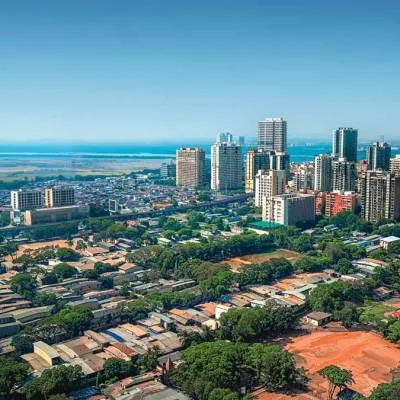
The Mumbai real estate market registered a rise in property transactions in February 2026, with registrations increasing eight per cent to 13,029 compared with the same month a year earlier. Stamp duty collections also recorded a strong uptick, rising 21 per cent, bolstering municipal and state revenues. The combined movement in registrations and collections reflects a rebound in transactional activity after a period of relative moderation, supporting broader signs of recovery in urban housing demand without suggesting a uniform trend across all segments.

Analysts attribute the improvement to a mixture of factors that appear to include steady buyer interest and continued absorption of completed inventory, alongside policy measures that have provided clarity to developers and purchasers. Mortgage affordability and interest-rate dynamics are likely to have influenced buyer decisions, while administrative efficiencies in registration processes may have shortened transaction timelines. The pattern of growth is consistent with cyclical upticks that typically follow phases of subdued activity, though the pace of change varies by locality and property type.

For developers and sellers the rise in registrations and higher stamp duty receipts are likely to translate into renewed confidence in market liquidity, even as pricing dynamics remain dependent on supply constraints and end-user preferences. Local authorities may see improved fiscal space for urban services and infrastructure investment as collections rise, and this could support planned capital expenditure in coming months. Market participants are expected to monitor inventory flows, project deliveries and demand sentiment to gauge sustainability.

Looking ahead, observers suggest cautious optimism as registrations and duty collections advance, but they emphasise the need for close monitoring of interest-rate movements and employment trends that underpin household purchasing power. A sustained recovery will depend on consistent demand, timely completions and policy stability, rather than a one-off surge. Authorities, developers and buyers will likely track monthly registration and collection data closely to assess whether the positive momentum consolidates over the rest of the year.

The Mumbai real estate market registered a rise in property transactions in February 2026, with registrations increasing eight per cent to 13,029 compared with the same month a year earlier. Stamp duty collections also recorded a strong uptick, rising 21 per cent, bolstering municipal and state revenues. The combined movement in registrations and collections reflects a rebound in transactional activity after a period of relative moderation, supporting broader signs of recovery in urban housing demand without suggesting a uniform trend across all segments. Analysts attribute the improvement to a mixture of factors that appear to include steady buyer interest and continued absorption of completed inventory, alongside policy measures that have provided clarity to developers and purchasers. Mortgage affordability and interest-rate dynamics are likely to have influenced buyer decisions, while administrative efficiencies in registration processes may have shortened transaction timelines. The pattern of growth is consistent with cyclical upticks that typically follow phases of subdued activity, though the pace of change varies by locality and property type. For developers and sellers the rise in registrations and higher stamp duty receipts are likely to translate into renewed confidence in market liquidity, even as pricing dynamics remain dependent on supply constraints and end-user preferences. Local authorities may see improved fiscal space for urban services and infrastructure investment as collections rise, and this could support planned capital expenditure in coming months. Market participants are expected to monitor inventory flows, project deliveries and demand sentiment to gauge sustainability. Looking ahead, observers suggest cautious optimism as registrations and duty collections advance, but they emphasise the need for close monitoring of interest-rate movements and employment trends that underpin household purchasing power. A sustained recovery will depend on consistent demand, timely completions and policy stability, rather than a one-off surge. Authorities, developers and buyers will likely track monthly registration and collection data closely to assess whether the positive momentum consolidates over the rest of the year.

Next Story
Real Estate

Perceptive Ideas Designs Structure for Vanijya Bhawan

Perceptive Ideas Consulting Engineers has recently contributed to the structural design of Vanijya Bhawan, a major government office complex located at 16A Akbar Road on the C-Hexagon in New Delhi. The facility serves as the official office of the Ministry of Commerce, Government of India, and represents a blend of modern engineering design with architectural elements reflecting national heritage.The complex houses offices of the Minister of Commerce and Industry, the Secretary’s office and accommodates approximately 1,800–2,000 officers. The project highlights the firm’s capabilities in..

Next Story
Resources

Deepak Halder Appointed CEO Of Sarvottam India

Sarvottam India has appointed Deepak Halder as its Chief Executive Officer. With over 23 years of professional experience, including nearly two decades in the real estate sector, Halder brings extensive leadership and strategic expertise to the organisation. Halder began his career in real estate in 2007 and has held senior leadership roles with developers such as Bestech Group, Paras Buildtech, Hero Realty, ATS Infrastructure and Rajdarbar Group. During his career, he has been involved in strategic expansion, brand positioning, major project launches and revenue growth across residential and..

Next Story
Real Estate

India Drives APAC Office Leasing Growth in 2025: Colliers

Office demand across Asia Pacific’s 11 major markets reached 9.8 million sq m (105.5 million sq ft) in 2025, marking an 11 per cent year-on-year increase, according to Colliers’ Asia Pacific Office Market Insights February 2026 report. India, Mainland China and Japan accounted for over 90 per cent of the region’s total demand during the year, with India emerging as the dominant leasing market.India alone contributed nearly 68 per cent of total office leasing across the region and accounted for 55 per cent of new office supply among the top 11 APAC markets in 2025. The report highlights t..

Advertisement

Subscribe to Our Newsletter

Get daily newsletters around different themes from Construction world.

STAY CONNECTED

Advertisement

Advertisement

Advertisement

Open In App