Rajasthan HC rules builders can't sell properties without amenities
Real Estate

Rajasthan HC rules builders can't sell properties without amenities

The Rajasthan High Court, expressing concern over the sale of plots and houses in privately developed colonies that lacked essential facilities such as drainage, electricity, and water, directed the state government, development authorities, and urban bodies to prevent developers from selling such properties unless they comply with construction regulations. The court emphasised that the Urban Development & Housing Department (UDH) must first issue a certificate verifying the suitability of a residential colony or society for habitation before any sale could proceed.

A bench led by Chief Justice MM Shrivastava and Justice Madan Gopal Vyas issued the directive while hearing a Public Interest Litigation (PIL) filed by residents of Ansal Sushant City and the Sushant Lok Residents Welfare Society. The next hearing for the case has been scheduled for the last week of the month.

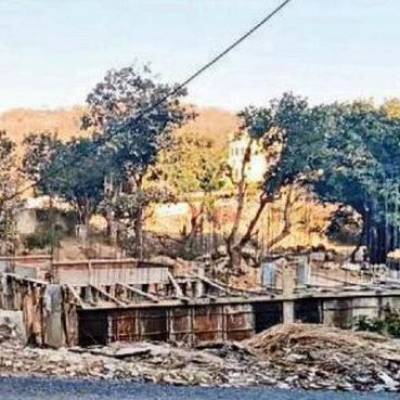
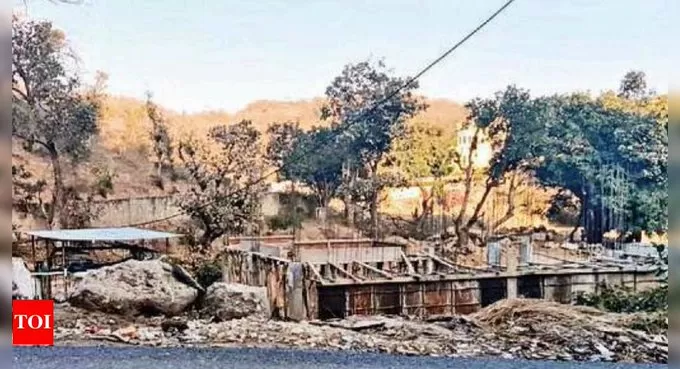
The residents of Sushant City in Jodhpur had not received drinking water for two decades and filed the PIL in 2021, highlighting the lack of basic amenities. According to the petition, the builder had allocated land and houses without providing a drainage system or electricity. In a previous hearing on December 23, 2023, the High Court had issued strict orders to the Jodhpur Development Authority to resolve the issue, and reprimanded officials for failing to comply with the order during a subsequent hearing seven months ago.

In this latest hearing, the court instructed the UDH secretary to thoroughly investigate the situation in privately developed colonies, ensuring that basic amenities were in place before issuing certificates. It also reiterated that builders could only sell properties once this certification was granted. Additionally, the court stressed that the state and development authorities must protect individual buyers from being misled by developers and ensure that development adheres to the approved plans, rather than leaving thousands of people without water and other essential services.

"Join industry leaders at RAHSTA Expo, India's premier platform for roads, highways and traffic infrastructure. Register now to explore innovations, network with experts and shape the future of mobility."

The Rajasthan High Court, expressing concern over the sale of plots and houses in privately developed colonies that lacked essential facilities such as drainage, electricity, and water, directed the state government, development authorities, and urban bodies to prevent developers from selling such properties unless they comply with construction regulations. The court emphasised that the Urban Development & Housing Department (UDH) must first issue a certificate verifying the suitability of a residential colony or society for habitation before any sale could proceed. A bench led by Chief Justice MM Shrivastava and Justice Madan Gopal Vyas issued the directive while hearing a Public Interest Litigation (PIL) filed by residents of Ansal Sushant City and the Sushant Lok Residents Welfare Society. The next hearing for the case has been scheduled for the last week of the month. The residents of Sushant City in Jodhpur had not received drinking water for two decades and filed the PIL in 2021, highlighting the lack of basic amenities. According to the petition, the builder had allocated land and houses without providing a drainage system or electricity. In a previous hearing on December 23, 2023, the High Court had issued strict orders to the Jodhpur Development Authority to resolve the issue, and reprimanded officials for failing to comply with the order during a subsequent hearing seven months ago. In this latest hearing, the court instructed the UDH secretary to thoroughly investigate the situation in privately developed colonies, ensuring that basic amenities were in place before issuing certificates. It also reiterated that builders could only sell properties once this certification was granted. Additionally, the court stressed that the state and development authorities must protect individual buyers from being misled by developers and ensure that development adheres to the approved plans, rather than leaving thousands of people without water and other essential services.

Next Story
Infrastructure Energy

Centre Prioritising Energy Security With Coal Gasification

Union minister for Coal and Mines G Kishan Reddy said the Centre is prioritising energy security through a strategic shift to coal gasification and has announced incentives totalling Rs 460 billion (bn) to support the effort. He said more than 35 companies will start coal gasification activities in India within two months and that the government is encouraging firms that bring technology to close the domestic technology gap. The minister described the initiative as aimed at reducing import dependence and developing indigenous capacity. India has the fifth-largest coal reserve in the world, and..

Next Story
Infrastructure Urban

BHEL and Coal India Invest Rs 250 bn in Odisha Gasification

Bharat Heavy Electricals (BHEL) and Coal India (CIL) are jointly investing Rs 250 billion in a coal gasification project in Odisha, with the Prime Minister laying the foundation stone in Jharsuguda. Union Coal and Mines Minister G Kishan Reddy described the initiative as a transformative shift in coal utilisation that will open industrial avenues for the state. The project moves coal beyond conventional power generation to industrial feedstocks. Coal gasification will convert coal into synthesis gas, a versatile feedstock for chemicals, fertilisers and synthetic fuels, and the technology is ex..

Next Story
Infrastructure Energy

BCCL Hands Over Dugdha Coal Washery To JSW Steel

Bharat Coking Coal has handed over the Dugdha Coal Washery to JSW Steel, marking the first coal washery asset monetisation under the Ministry of Coal's asset monetisation programme. The handover took place in the presence of senior officials from Bharat Coking Coal Ltd, JSW Steel and JSW Energy. The washery has a capacity of two million tonnes per annum (mn t per annum), and its transfer is intended to introduce private sector practices into coal beneficiation operations. The monetisation is aimed at modernising coal sector assets, improving operational efficiency and enhancing resource utilis..

Advertisement

Subscribe to Our Newsletter

Get daily newsletters around different themes from Construction world.

STAY CONNECTED

Advertisement

Advertisement

Advertisement