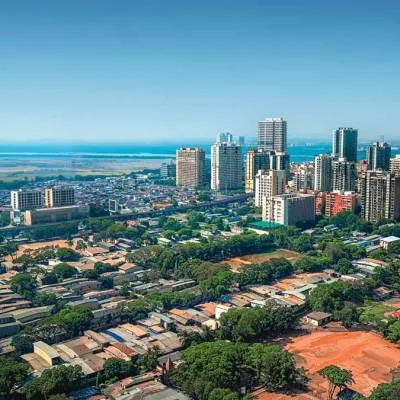
TN govt issues draft for slum dwellers resettlement, rehabilitation
Real Estate

TN govt issues draft for slum dwellers resettlement, rehabilitation

On Tuesday, the Tamil Nadu government issued the draft of its first resettlement and rehabilitation policy for slum dwellers.

The draft policy by the Tamil Nadu Urban Habitat Development Board (TNUHDB), formerly called as Tamil Nadu Slum Clearance Board, states that it applies to encroachment, eviction and displacement undertaken by the departments, statutory officials and local organisations under several acts and rules.

Observing that the policy would control over other directions for the people dismissed from objectionable poramboke land, it says the policy applies only to the encroacher or non-titleholders of the land, where displacement is offered for involuntary resettlement.

While the distance from the nearest towns or source of employment should be considered to recognise land for resettlement, the daily livelihood activities of the aimed beneficiaries should be kept in mind. Additionally, slum dwellers should be housed only in areas from where it would not take over half an hour to reach the nearest urban areas by bus or train.

The travelling time by bus or train must not be over half an hour to reach the nearest urban areas from where people are likely to be relocated.

The TNUHDB has sought suggestions from stakeholders on the draft policy. They should be presented within 15 days, which is, before 27th October 2021.

Image Source


Also read: Maharashtra govt approves redevelopment of slums in Nashik

On Tuesday, the Tamil Nadu government issued the draft of its first resettlement and rehabilitation policy for slum dwellers. The draft policy by the Tamil Nadu Urban Habitat Development Board (TNUHDB), formerly called as Tamil Nadu Slum Clearance Board, states that it applies to encroachment, eviction and displacement undertaken by the departments, statutory officials and local organisations under several acts and rules. Observing that the policy would control over other directions for the people dismissed from objectionable poramboke land, it says the policy applies only to the encroacher or non-titleholders of the land, where displacement is offered for involuntary resettlement. While the distance from the nearest towns or source of employment should be considered to recognise land for resettlement, the daily livelihood activities of the aimed beneficiaries should be kept in mind. Additionally, slum dwellers should be housed only in areas from where it would not take over half an hour to reach the nearest urban areas by bus or train. The travelling time by bus or train must not be over half an hour to reach the nearest urban areas from where people are likely to be relocated. The TNUHDB has sought suggestions from stakeholders on the draft policy. They should be presented within 15 days, which is, before 27th October 2021. Image SourceAlso read: Maharashtra govt approves redevelopment of slums in Nashik

Next Story
Infrastructure Transport

India Becomes First to Produce Bio-Bitumen for Roads

India has become the first country in the world to commercially produce bio-bitumen for use in road construction, according to Road, Transport and Highways Minister Nitin Gadkari. Bitumen, a black and viscous hydrocarbon derived from crude oil, is a key binding material in road building, and the bio-based alternative is expected to significantly improve the sector’s environmental footprint.Addressing the CSIR Technology Transfer Ceremony in New Delhi, Mr Gadkari congratulated Council of Scientific and Industrial Research on achieving the milestone, noting that the initiative would help curb ..

Next Story
Infrastructure Urban

HILT Policy Seen Boosting Telangana Revenue Sharply

The Hyderabad Industrial Land Transformation (HILT) Policy is expected to generate around Rs 1.08 billion in revenue for the Telangana state exchequer, according to Deputy Chief Minister Bhatti Vikramarka Mallu. Speaking in the Telangana Legislative Assembly, he said the policy would be implemented within a six-month timeframe in a transparent manner, with uniform rules applicable to all stakeholders. Mr Vikramarka noted that without the HILT Policy, the state would have earned only about Rs 1.2 million per acre. Under the new framework, however, revenue is projected to rise sharply to Rs 70 ..

Next Story
Infrastructure Urban

India Post, MoRD Tie Up to Boost Rural Inclusion

The Department of Posts and the Ministry of Rural Development have signed a Memorandum of Understanding to accelerate rural transformation and expand financial, digital and logistics services for Self-Help Groups (SHGs) and rural households across India. The agreement was signed in the presence of Union Minister of Communications and Development of North Eastern Region Jyotiraditya M. Scindia and Union Minister of Rural Development and Agriculture and Farmers’ Welfare Shivraj Singh Chouhan. The collaboration aligns with the government’s “Dak Sewa, Jan Sewa” vision and seeks to repositi..

Advertisement

Subscribe to Our Newsletter

Get daily newsletters around different themes from Construction world.

STAY CONNECTED

Advertisement

Advertisement

Advertisement

Advertisement

Open In App