+
UBS Takes Entire Commercial Tower In Pune In Rs 263 Crore Deal
Real Estate

UBS Takes Entire Commercial Tower In Pune In Rs 263 Crore Deal

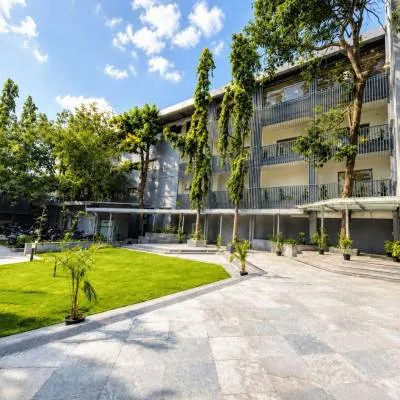
UBS Group has acquired the entire commercial tower in Pune in a rental deal valued at Rs 263 crore, the transaction indicates. The sum converts to Rs 2,630 million, hereafter expressed as Rs 2,630 mn. The tower is located in a prominent commercial area of Pune and will host corporate office operations. The agreement represents one of the larger single-asset leasing transactions reported in the city and underlines the appeal of consolidated occupier space.

The agreement secures UBS as the sole occupier of the building under a lease arrangement that covers all floors. The transaction structure reflects a single-occupier lease model which is preferred by institutional tenants seeking consolidated operations and operational efficiencies. The parties have positioned the asset as a ready-to-occupy office destination with standard building services and professional facilities. The lease terms are expected to support the tenant's requirements for scalability and centralised management of staff and resources.

The deal highlights continued institutional interest in Pune's office market as firms expand operations outside metropolitan centres. Landlords have been offering longer tenures and customised fit-outs to attract marquee tenants, supporting rental growth in select micro markets. Occupiers continue to prioritise location, building quality and operational efficiency, which has sustained demand for Grade A stock. The transaction adds to a growing pipeline of large leases that reflect evolving occupier preferences and regional diversification.

Market participants said the transaction could encourage further large-scale leasing deals and strengthen investor confidence in commercial real estate assets in tier-two cities. Analysts expect this trend to prompt additional capital inflows and development activity focused on Grade A office space, which may influence rental and capitalisation dynamics over time. Developers and fund managers may respond by accelerating delivery of similar assets and enhancing building specifications to meet corporate needs. Details on lease tenure and other commercial terms were not disclosed.

UBS Group has acquired the entire commercial tower in Pune in a rental deal valued at Rs 263 crore, the transaction indicates. The sum converts to Rs 2,630 million, hereafter expressed as Rs 2,630 mn. The tower is located in a prominent commercial area of Pune and will host corporate office operations. The agreement represents one of the larger single-asset leasing transactions reported in the city and underlines the appeal of consolidated occupier space. The agreement secures UBS as the sole occupier of the building under a lease arrangement that covers all floors. The transaction structure reflects a single-occupier lease model which is preferred by institutional tenants seeking consolidated operations and operational efficiencies. The parties have positioned the asset as a ready-to-occupy office destination with standard building services and professional facilities. The lease terms are expected to support the tenant's requirements for scalability and centralised management of staff and resources. The deal highlights continued institutional interest in Pune's office market as firms expand operations outside metropolitan centres. Landlords have been offering longer tenures and customised fit-outs to attract marquee tenants, supporting rental growth in select micro markets. Occupiers continue to prioritise location, building quality and operational efficiency, which has sustained demand for Grade A stock. The transaction adds to a growing pipeline of large leases that reflect evolving occupier preferences and regional diversification. Market participants said the transaction could encourage further large-scale leasing deals and strengthen investor confidence in commercial real estate assets in tier-two cities. Analysts expect this trend to prompt additional capital inflows and development activity focused on Grade A office space, which may influence rental and capitalisation dynamics over time. Developers and fund managers may respond by accelerating delivery of similar assets and enhancing building specifications to meet corporate needs. Details on lease tenure and other commercial terms were not disclosed.

Next Story
Infrastructure Urban

Implementation Status of Jal Jeevan Mission

Since August 2019 the Government has implemented Jal Jeevan Mission to provide assured potable water through household tap connections in rural India. At the start of the mission only 32.3 million (mn) rural households, representing 16.7 per cent, were reported to have tap water connections. States and union territories have reported that 125.8 mn additional rural households have since been provided with tap connections. As a result, of about 193.6 mn rural households roughly 158.2 mn, or 81.71 per cent, are reported to have tap water supply at home.\n\nThe State, district and village level st..

Next Story
Infrastructure Urban

Jal Jeevan Mission Reaches Eighty One Per Cent Rural Coverage

The Government reported substantial progress under the Jal Jeevan Mission, launched in August 2019 to provide tap water to every rural household. At launch only 32.3 million (mn) rural households had tap connections and states and Union territories reported provision of 125.8 mn additional households by March 2026. Consequently, out of about 193.6 mn rural households around 158.2 mn, or 81.71 per cent, are reported to have tap water at home. The Finance Minister announced extension of the mission until 2028 in the 2025-26 budget speech. The Swachh Bharat Mission Grameen, launched in October 20..

Next Story
Infrastructure Urban

Empowering Local Governance for Sustainable Rural Water Supply

The Ministry of Jal Shakti has aligned the Jal Jeevan Mission (JJM) with the 73rd Amendment to strengthen village level planning and community ownership of water supply. Gram Panchayats, village water and sanitation committees and Pani Samitis are to plan, implement, manage and maintain piped water systems, with gram sabha processes formalising handover and oversight. Implementation support agencies including non government organisations, community based organisations and self help groups have been empanelled to train local committees and promote women participation. Under JJM, the department ..

Advertisement

Subscribe to Our Newsletter

Get daily newsletters around different themes from Construction world.

STAY CONNECTED

Advertisement

Advertisement

Advertisement