
ICRA Sees Slow Transition to Green Steel in India
Technology

ICRA Sees Slow Transition to Green Steel in India

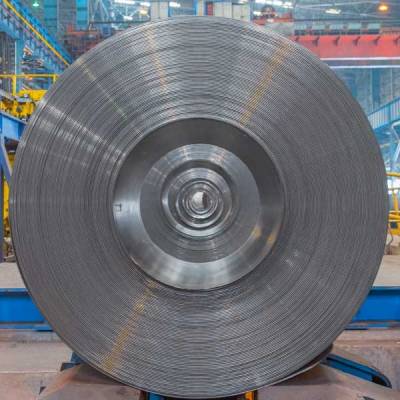
Rating agency ICRA expects India’s shift towards low-carbon green steel to remain gradual, as high costs and technological limitations continue to constrain rapid decarbonisation. The transition is likely to unfold over the long term, with incremental improvements rather than a swift transformation of production processes.

According to ICRA estimates, the average carbon emission intensity of Indian steelmakers stands at around 2.5 tonnes of CO? per tonne of steel (Scope 1 and 2), which is approximately 12 per cent higher than the global average for the blast furnace–basic oxygen furnace (BF–BOF) route. This highlights the structural challenges facing India’s steel industry in aligning with global decarbonisation benchmarks.

ICRA noted that the introduction of a Green Steel Taxonomy by the Government of India in December 2024 under the National Mission on Green Steel is a positive development. The taxonomy defines graded emission thresholds to classify steel as “green”. However, most Indian primary producers currently operate well above even the upper threshold of this range, underscoring the significant decarbonisation gap that must be addressed.

Commenting on industry trends, Girishkumar Kadam, Senior Vice-President and Group Head, Corporate Sector Ratings at ICRA, said that planned capacity additions of around 80–85 million tonnes by 2030–31 are heavily skewed towards coal-based BF–BOF production. The share of this route is expected to rise from about 45 per cent currently to roughly 51 per cent by 2030–31, indicating persistently high carbon intensity in the medium term.

As a result, near-term decarbonisation in the domestic steel industry is expected to rely mainly on operational efficiency improvements and increased adoption of renewable energy. These measures could lead to an estimated 19 per cent reduction in emission intensity by 2029–30, bringing the sector average down to around 2.0 tonnes of CO? per tonne of steel by the end of the decade. A significant portion of this reduction is expected to come from renewable energy integration and process optimisation.

ICRA’s report also highlights that domestic steelmakers have already announced around 9 gigawatts of captive renewable power capacity to replace fossil fuel-based electricity. Transitioning to green power alone is expected to reduce emissions by about 13 per cent for BF–BOF-based mills and up to 22 per cent for direct reduced iron (DRI)-based units.

Additional operational levers, including higher scrap usage in furnaces, energy efficiency initiatives such as waste-heat recovery and iron ore beneficiation, are expected to further reduce emissions per tonne of steel. However, the expansion of scrap-based electric arc furnace capacity remains constrained by limited scrap availability in India.

High green hydrogen costs also pose a major barrier to wider adoption of the hydrogen-based DRI route. ICRA estimates that the break-even cost of production through the DRI–EAF route would require green hydrogen prices to fall to around USD 1.5–1.6 per kg, compared with current estimates of over USD 3 per kg. This gap is unlikely to narrow significantly in the near to medium term, limiting large-scale green steel capacity additions.

Over the long term, beyond 2030, demand for green steel in India is expected to accelerate, driven by stricter ESG compliance norms, decarbonisation efforts by major end-user industries such as automotive and infrastructure, and supportive policy measures. While India’s green steel ambitions align with global sustainability trends, ICRA believes their realisation will remain a long-term objective, with economic viability, technological readiness and policy support determining the pace and scale of adoption.

Rating agency ICRA expects India’s shift towards low-carbon green steel to remain gradual, as high costs and technological limitations continue to constrain rapid decarbonisation. The transition is likely to unfold over the long term, with incremental improvements rather than a swift transformation of production processes. According to ICRA estimates, the average carbon emission intensity of Indian steelmakers stands at around 2.5 tonnes of CO? per tonne of steel (Scope 1 and 2), which is approximately 12 per cent higher than the global average for the blast furnace–basic oxygen furnace (BF–BOF) route. This highlights the structural challenges facing India’s steel industry in aligning with global decarbonisation benchmarks. ICRA noted that the introduction of a Green Steel Taxonomy by the Government of India in December 2024 under the National Mission on Green Steel is a positive development. The taxonomy defines graded emission thresholds to classify steel as “green”. However, most Indian primary producers currently operate well above even the upper threshold of this range, underscoring the significant decarbonisation gap that must be addressed. Commenting on industry trends, Girishkumar Kadam, Senior Vice-President and Group Head, Corporate Sector Ratings at ICRA, said that planned capacity additions of around 80–85 million tonnes by 2030–31 are heavily skewed towards coal-based BF–BOF production. The share of this route is expected to rise from about 45 per cent currently to roughly 51 per cent by 2030–31, indicating persistently high carbon intensity in the medium term. As a result, near-term decarbonisation in the domestic steel industry is expected to rely mainly on operational efficiency improvements and increased adoption of renewable energy. These measures could lead to an estimated 19 per cent reduction in emission intensity by 2029–30, bringing the sector average down to around 2.0 tonnes of CO? per tonne of steel by the end of the decade. A significant portion of this reduction is expected to come from renewable energy integration and process optimisation. ICRA’s report also highlights that domestic steelmakers have already announced around 9 gigawatts of captive renewable power capacity to replace fossil fuel-based electricity. Transitioning to green power alone is expected to reduce emissions by about 13 per cent for BF–BOF-based mills and up to 22 per cent for direct reduced iron (DRI)-based units. Additional operational levers, including higher scrap usage in furnaces, energy efficiency initiatives such as waste-heat recovery and iron ore beneficiation, are expected to further reduce emissions per tonne of steel. However, the expansion of scrap-based electric arc furnace capacity remains constrained by limited scrap availability in India. High green hydrogen costs also pose a major barrier to wider adoption of the hydrogen-based DRI route. ICRA estimates that the break-even cost of production through the DRI–EAF route would require green hydrogen prices to fall to around USD 1.5–1.6 per kg, compared with current estimates of over USD 3 per kg. This gap is unlikely to narrow significantly in the near to medium term, limiting large-scale green steel capacity additions. Over the long term, beyond 2030, demand for green steel in India is expected to accelerate, driven by stricter ESG compliance norms, decarbonisation efforts by major end-user industries such as automotive and infrastructure, and supportive policy measures. While India’s green steel ambitions align with global sustainability trends, ICRA believes their realisation will remain a long-term objective, with economic viability, technological readiness and policy support determining the pace and scale of adoption.

Next Story
Infrastructure Urban

9th India–Myanmar Joint Trade Committee Meeting Held in Nay Pyi Taw

The ninth meeting of the India–Myanmar Joint Trade Committee (JTC) was held in Nay Pyi Taw, Myanmar, with a focus on strengthening bilateral trade and deepening economic cooperation. The meeting was co-chaired by U Minn Minn, Deputy Minister, Ministry of Commerce of the Republic of the Union of Myanmar, and Nitin Kumar Yadav, Additional Secretary, Department of Commerce, Ministry of Commerce and Industry, Government of India.Representatives from relevant ministries and stakeholder departments from both countries participated in the discussions. The meeting covered a broad range of issues aim..

Next Story
Infrastructure Urban

DGCA Launches Digital Pilot Licence Services for ATPL

The Directorate General of Civil Aviation (DGCA) has launched Electronic Personnel Licence (EPL) services for the Airline Transport Pilot Licence (ATPL), marking a significant step in the regulator’s ongoing digital transformation of aviation licensing in India. The service was inaugurated at an event held at the DGCA headquarters.Inaugurating the EPL ATPL service, Director General of Civil Aviation Faiz Ahmed Kidwai said the initiative represents a major advancement in strengthening India’s civil aviation regulatory framework through secure, modern and future-ready digital systems. He con..

Next Story
Infrastructure Urban

Cabinet Extends Atal Pension Yojana and Support Till 2030–31

The Union Cabinet, chaired by Prime Minister Narendra Modi, has approved the continuation of the Atal Pension Yojana (APY) up to the financial year 2030–31, along with the extension of government funding support for promotional and developmental activities and gap funding to ensure the scheme’s long-term sustainability.Under the approved framework, APY will continue to receive government support aimed at expanding its reach among unorganised and low-income workers. This includes funding for awareness campaigns, capacity-building initiatives and other developmental activities to strengthen ..

Advertisement

Subscribe to Our Newsletter

Get daily newsletters around different themes from Construction world.

STAY CONNECTED

Advertisement

Advertisement

Advertisement

Advertisement

Open In App