+
ACDelco Returns To India Under Licensing Deal With General Motors
ECONOMY & POLICY

ACDelco Returns To India Under Licensing Deal With General Motors

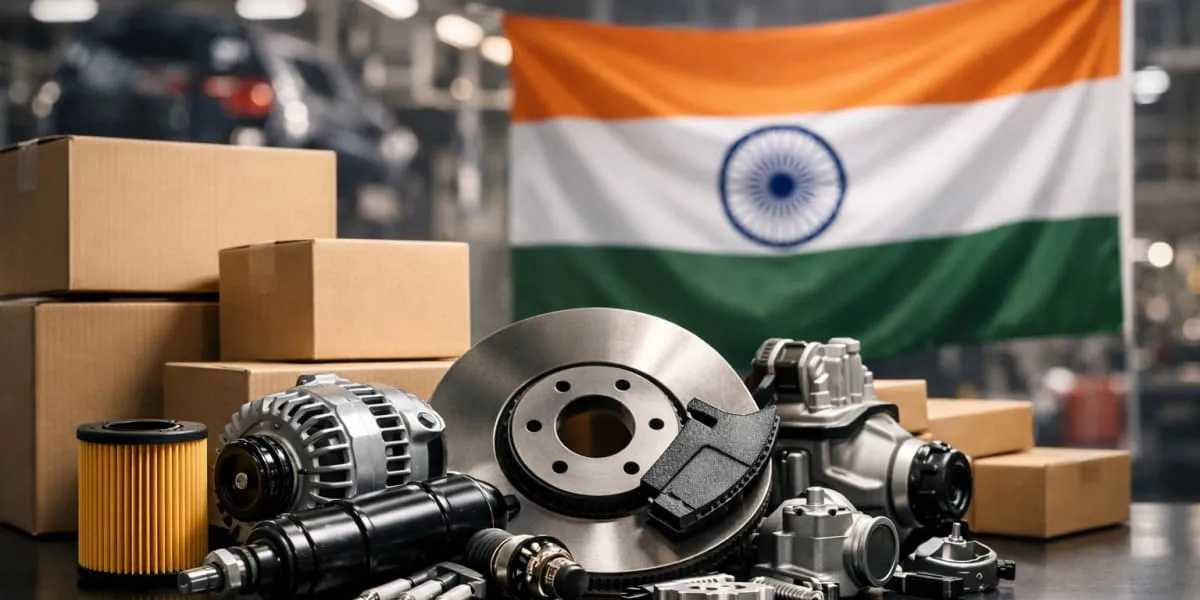
ACDelco has re-entered the Indian market through a licensing agreement with General Motors (GM) that will enable local manufacture and authorised distribution of parts under the ACDelco brand. The arrangement is designed to restore availability of genuine components for passenger vehicles and commercial fleets while leveraging GM's technical approvals and supply chain oversight. Company materials indicated the move aims to re-establish a branded aftermarket presence and to align product standards with global repair and warranty protocols.

The deal is expected to involve phased local sourcing and collaboration with domestic suppliers to enhance parts localisation and reduce lead times. Investment in warehousing and logistics will be prioritised to support quicker fulfilment of aftermarket demand across urban and regional service centres. Training programmes for authorised workshops will focus on diagnostic standards, parts fitting and warranty handling, and the initiative is intended to strengthen dealer networks and to improve customer access to certified repair options.

Market analysts noted that a recognised global brand can influence purchase decisions for replacement components and may support improved margins for distributors who offer certified parts and services. The re-introduction could catalyse competition in segments where unbranded spares have been prevalent, prompting greater emphasis on parts traceability and quality assurance. Observers added that regulatory compliance and alignment with emissions and safety standards will be central to product approval and aftermarket acceptance.

The companies indicated that initial roll-out will target metropolitan centres before expanding into tier two and tier three markets, with inventory strategies tailored to local demand patterns. Emphasis will be placed on warranty-backed parts and on transparent identification to help workshops and vehicle owners verify provenance. The collaboration is expected to create opportunities for local employment in logistics and technical support roles while contributing to the formalisation and growth of the organised aftermarket sector and service quality.

ACDelco has re-entered the Indian market through a licensing agreement with General Motors (GM) that will enable local manufacture and authorised distribution of parts under the ACDelco brand. The arrangement is designed to restore availability of genuine components for passenger vehicles and commercial fleets while leveraging GM's technical approvals and supply chain oversight. Company materials indicated the move aims to re-establish a branded aftermarket presence and to align product standards with global repair and warranty protocols. The deal is expected to involve phased local sourcing and collaboration with domestic suppliers to enhance parts localisation and reduce lead times. Investment in warehousing and logistics will be prioritised to support quicker fulfilment of aftermarket demand across urban and regional service centres. Training programmes for authorised workshops will focus on diagnostic standards, parts fitting and warranty handling, and the initiative is intended to strengthen dealer networks and to improve customer access to certified repair options. Market analysts noted that a recognised global brand can influence purchase decisions for replacement components and may support improved margins for distributors who offer certified parts and services. The re-introduction could catalyse competition in segments where unbranded spares have been prevalent, prompting greater emphasis on parts traceability and quality assurance. Observers added that regulatory compliance and alignment with emissions and safety standards will be central to product approval and aftermarket acceptance. The companies indicated that initial roll-out will target metropolitan centres before expanding into tier two and tier three markets, with inventory strategies tailored to local demand patterns. Emphasis will be placed on warranty-backed parts and on transparent identification to help workshops and vehicle owners verify provenance. The collaboration is expected to create opportunities for local employment in logistics and technical support roles while contributing to the formalisation and growth of the organised aftermarket sector and service quality.

Next Story
Infrastructure Urban

Implementation Status of Jal Jeevan Mission

Since August 2019 the Government has implemented Jal Jeevan Mission to provide assured potable water through household tap connections in rural India. At the start of the mission only 32.3 million (mn) rural households, representing 16.7 per cent, were reported to have tap water connections. States and union territories have reported that 125.8 mn additional rural households have since been provided with tap connections. As a result, of about 193.6 mn rural households roughly 158.2 mn, or 81.71 per cent, are reported to have tap water supply at home.\n\nThe State, district and village level st..

Next Story
Infrastructure Urban

Jal Jeevan Mission Reaches Eighty One Per Cent Rural Coverage

The Government reported substantial progress under the Jal Jeevan Mission, launched in August 2019 to provide tap water to every rural household. At launch only 32.3 million (mn) rural households had tap connections and states and Union territories reported provision of 125.8 mn additional households by March 2026. Consequently, out of about 193.6 mn rural households around 158.2 mn, or 81.71 per cent, are reported to have tap water at home. The Finance Minister announced extension of the mission until 2028 in the 2025-26 budget speech. The Swachh Bharat Mission Grameen, launched in October 20..

Next Story
Infrastructure Urban

Empowering Local Governance for Sustainable Rural Water Supply

The Ministry of Jal Shakti has aligned the Jal Jeevan Mission (JJM) with the 73rd Amendment to strengthen village level planning and community ownership of water supply. Gram Panchayats, village water and sanitation committees and Pani Samitis are to plan, implement, manage and maintain piped water systems, with gram sabha processes formalising handover and oversight. Implementation support agencies including non government organisations, community based organisations and self help groups have been empanelled to train local committees and promote women participation. Under JJM, the department ..

Advertisement

Subscribe to Our Newsletter

Get daily newsletters around different themes from Construction world.

STAY CONNECTED

Advertisement

Advertisement

Advertisement