+
Apraava Energy Secures ISTS Project to Evacuate Three GW
ECONOMY & POLICY

Apraava Energy Secures ISTS Project to Evacuate Three GW

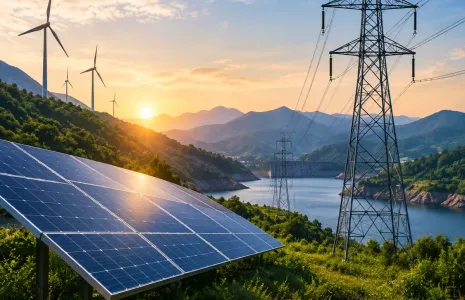
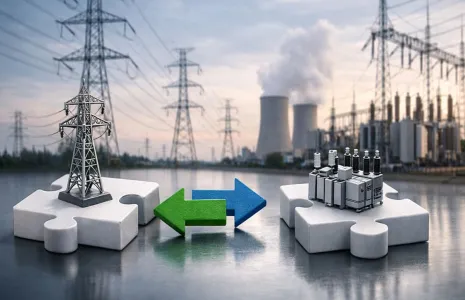
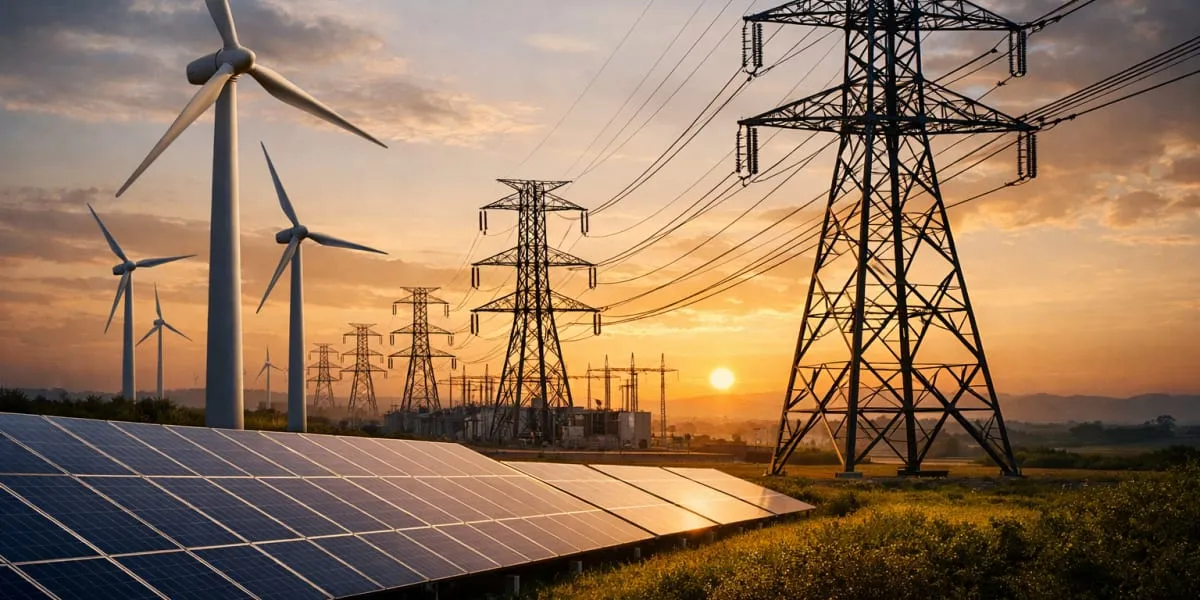
Apraava Energy has secured an inter-state transmission system (ISTS) project in Andhra Pradesh to evacuate three gigawatt (GW) of renewable energy, the company announced. The scheme is intended to strengthen transmission links and enable large-scale transfer of wind and solar generation to consumption centres. The project award marks a strategic step for the developer in expanding power transmission capability in the region and aligns with state and national efforts to scale up clean energy capacity.

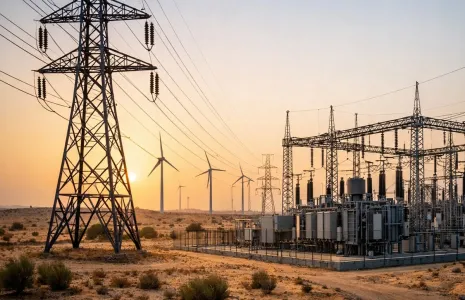
The ISTS project will involve construction and augmentation of high-voltage corridors and substations to facilitate bulk evacuation, and is expected to integrate with the existing grid infrastructure. Apraava Energy will coordinate with transmission utilities and regulators to meet technical and regulatory standards while optimising grid stability. The initiative is designed to reduce curtailment of renewable output and to support firm power delivery to load centres, thereby improving overall system flexibility and reliability and reduce transmission losses.

Project financing and commercial details were not disclosed, while implementation timelines will be determined through coordination with state agencies and central transmission planners. Apraava Energy will engage contractors and suppliers for equipment procurement and civil works and will follow regulatory milestones for commissioning. The development is expected to create local employment opportunities during construction and will require ongoing operations and maintenance once the evacuation corridors are commissioned. Stakeholders will monitor environmental and social safeguards throughout execution.

The company said the award advances broader grid decarbonisation goals by enabling larger volumes of variable renewable generation to reach demand centres and by supporting market mechanisms for power transfer. The transmission capacity is intended to complement investments in generation and storage and to facilitate interstate trade in clean energy. Observers expect the project to bolster investor confidence in transmission-led solutions and to accelerate similar infrastructure investments across regions in the coming years.

Apraava Energy has secured an inter-state transmission system (ISTS) project in Andhra Pradesh to evacuate three gigawatt (GW) of renewable energy, the company announced. The scheme is intended to strengthen transmission links and enable large-scale transfer of wind and solar generation to consumption centres. The project award marks a strategic step for the developer in expanding power transmission capability in the region and aligns with state and national efforts to scale up clean energy capacity. The ISTS project will involve construction and augmentation of high-voltage corridors and substations to facilitate bulk evacuation, and is expected to integrate with the existing grid infrastructure. Apraava Energy will coordinate with transmission utilities and regulators to meet technical and regulatory standards while optimising grid stability. The initiative is designed to reduce curtailment of renewable output and to support firm power delivery to load centres, thereby improving overall system flexibility and reliability and reduce transmission losses. Project financing and commercial details were not disclosed, while implementation timelines will be determined through coordination with state agencies and central transmission planners. Apraava Energy will engage contractors and suppliers for equipment procurement and civil works and will follow regulatory milestones for commissioning. The development is expected to create local employment opportunities during construction and will require ongoing operations and maintenance once the evacuation corridors are commissioned. Stakeholders will monitor environmental and social safeguards throughout execution. The company said the award advances broader grid decarbonisation goals by enabling larger volumes of variable renewable generation to reach demand centres and by supporting market mechanisms for power transfer. The transmission capacity is intended to complement investments in generation and storage and to facilitate interstate trade in clean energy. Observers expect the project to bolster investor confidence in transmission-led solutions and to accelerate similar infrastructure investments across regions in the coming years.

Related Stories

Gold Stories

Next Story
Real Estate

BMC OC Amnesty Scheme Requires Key Approvals from Mumbai Societies

The Brihanmumbai Municipal Corporation (BMC) has clarified that housing societies applying under its Occupation Certificate (OC) amnesty scheme must possess key approvals linked to the original construction. The requirements include a valid Intimation of Disapproval (IOD), an approved building plan and a Commencement Certificate (CC), along with a No Objection Certificate (NOC) from the developer or original construction applicant. The Standard Operating Procedure (SOP) makes clear that the absence of an OC alone will not qualify a building for relief. Societies must establish that their build..

Next Story
Real Estate

Gurugram Emerges as Luxury Senior Living Hub

Gurugram is emerging as a potential hub for luxury senior living, supported by available land, healthcare infrastructure, connectivity and a concentration of affluent professionals, high-net-worth individuals and non-resident Indians. These factors could give the city an advantage over land-constrained metros such as Mumbai. A report by the Association of Senior Living India (ASLI) and JLL estimates that India’s organised senior living market could represent a $10.1 bn opportunity by 2030. The sector had about 25,050 organised units as of June 2026, while penetration stood at only 1.5 per ce..

Next Story
Real Estate

Corrosion Costs India’s Infrastructure Rs. 142 bn Annually

Corrosion costs India an estimated Rs. 1.42 tn annually, equivalent to 4.3 per cent of gross domestic product, according to a report by the Confederation of Indian Industry and the National Research Institute. Infrastructure accounts for Rs. 142 bn of the annual burden, making it the sector with the largest absolute cost among those examined. The report, presented at the CII Annual Infrastructure Summit 2026, said the infrastructure-sector cost equals about 2.9 per cent of the sector’s gross domestic product. It estimated that effective measures could generate maximum savings of Rs. 495.8 bn..

Advertisement

Subscribe to Our Newsletter

Get daily newsletters around different themes from Construction world.

STAY CONNECTED

Advertisement

SPECIAL OFFER
QR Code